Antoni Gaudí didn't just design buildings in Barcelona — he gave the city its visual soul. His swirling, organic, nature-inspired masterpieces are the reason Barcelona looks like nowhere else on earth, and following the "Gaudí trail" is many visitors' main motivation for coming. This guide maps out all his major works, how to see them efficiently, which are worth the entry fee, and how to build a Gaudí-focused day (or two) — especially meaningful in 2026, the centenary of his death.
The Gaudí trail — all the major sites
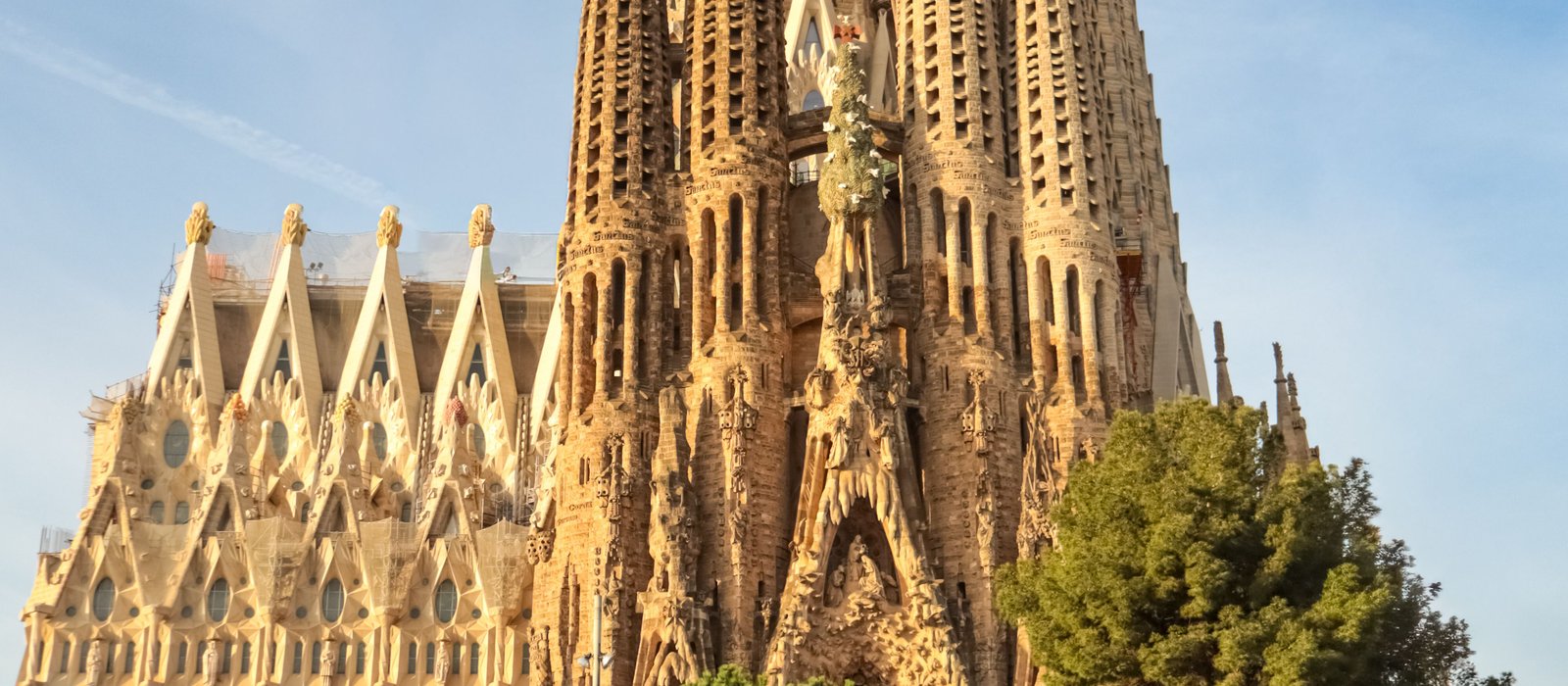
Sagrada Família — Timed entry — books out weeks ahead
Park Güell — Monumental zone is ticketed & slotted
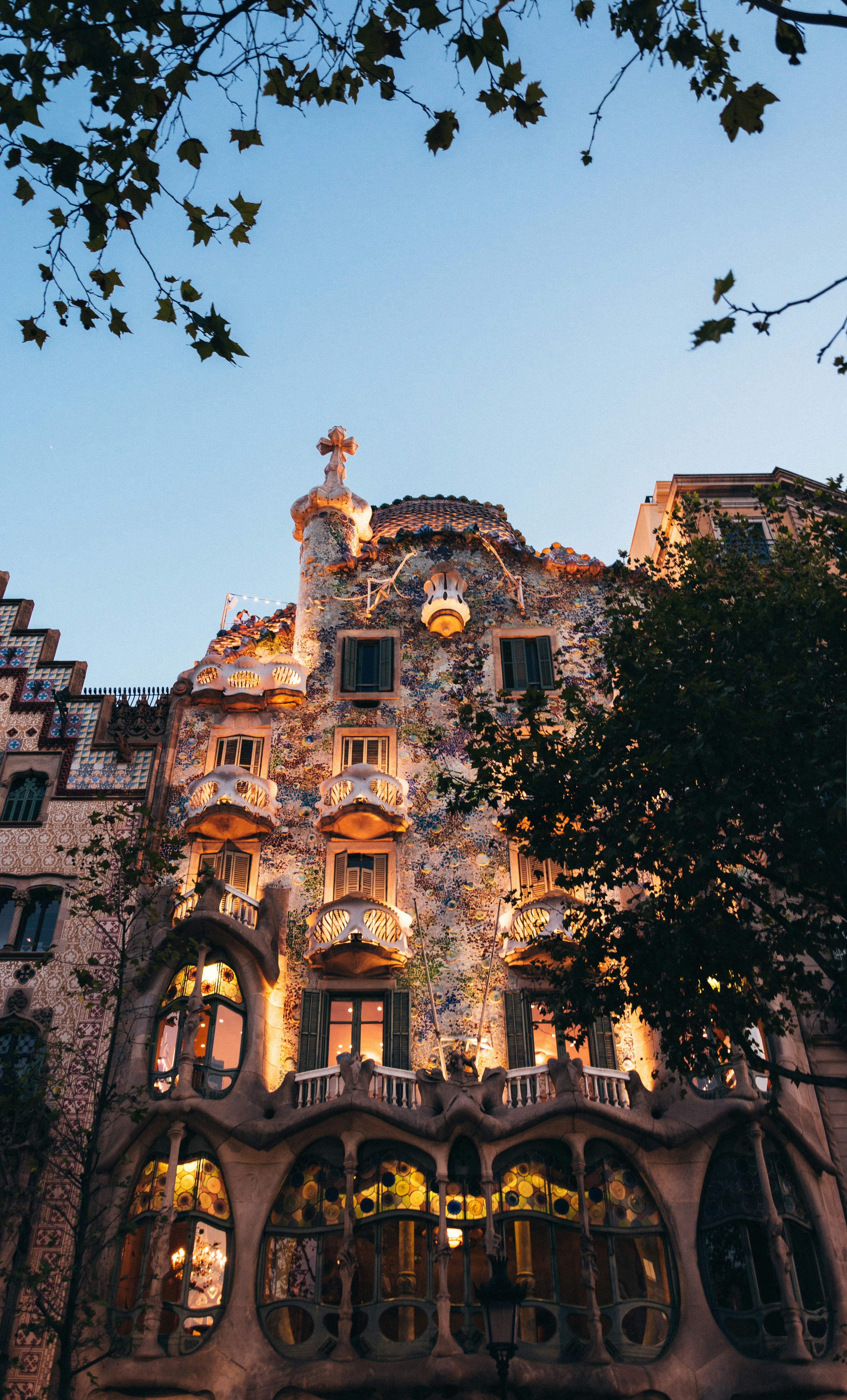
Casa Batlló — Passeig de Gràcia
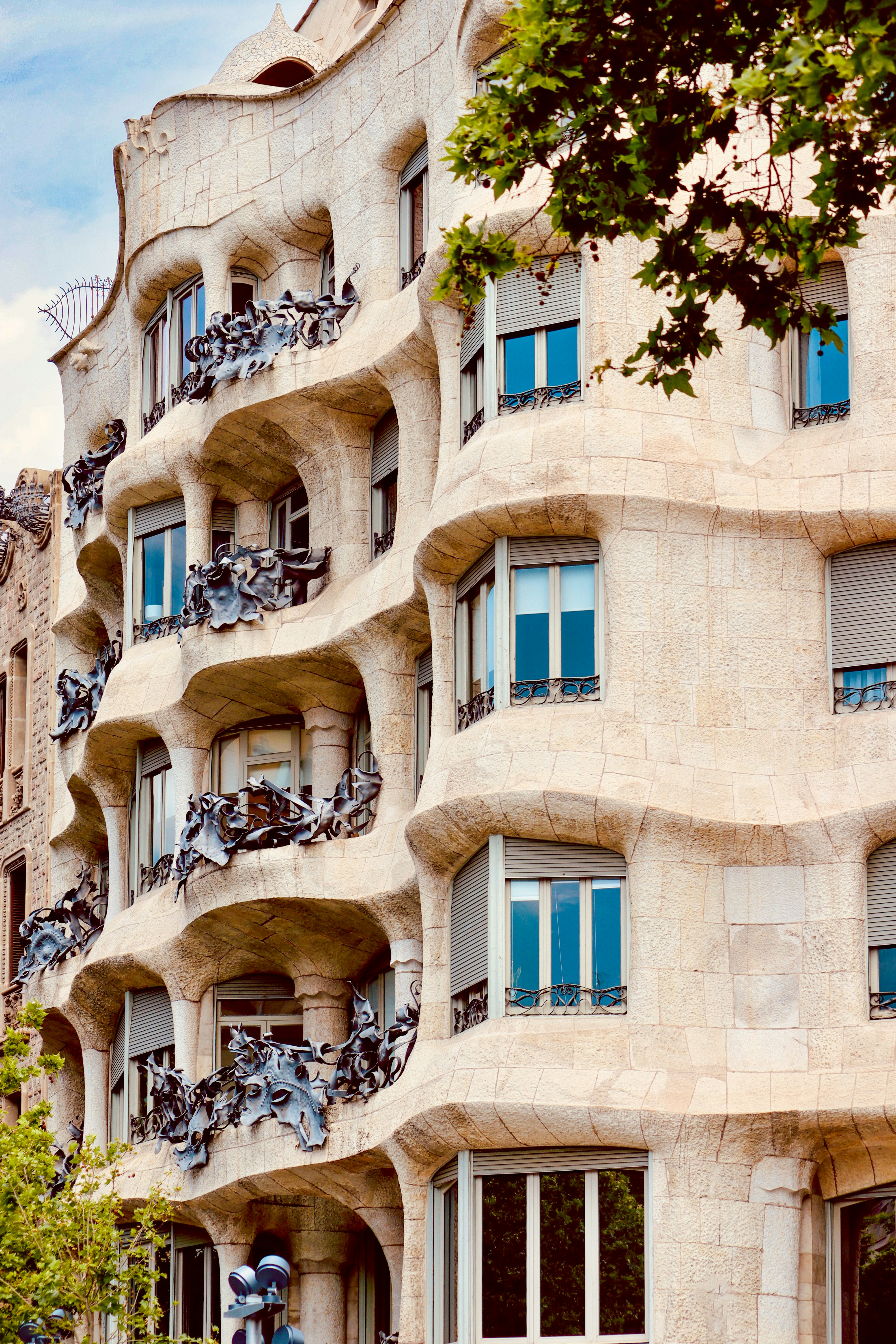
La Pedrera (Casa Milà) — The rooftop is the point
Casa Vicens — Gaudí's first house, in Gràcia
Palau Güell — Off La Rambla, in El Raval
Who Gaudí was, briefly
Antoni Gaudí (1852–1926) was the genius of Catalan Modernisme, a movement that swept Barcelona around 1900. His style is unmistakable: organic curves drawn from nature, brilliant tile mosaics (trencadís), light-filled interiors, and structural innovations centuries ahead of their time. He died in 1926, struck by a tram on his way to church, and was buried in the crypt of his unfinished masterpiece, the Sagrada Família. 2026 marks the centenary of his death — declared "Gaudí Year," with Barcelona named UNESCO World Capital of Architecture — making it an extraordinary year to walk in his footsteps.
The major Gaudí sites
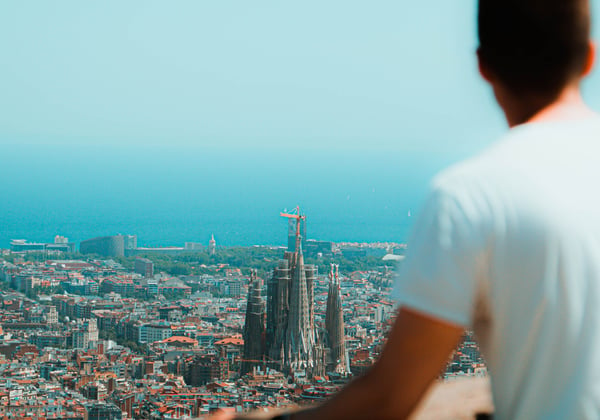
Sagrada Família. The unmissable masterpiece — his basilica, under construction since 1882 and, as of 2026, architecturally complete at its full height. The single most important Gaudí site; book timed tickets far ahead. (See our dedicated Sagrada Família guides.)
Park Güell. The whimsical hilltop park with the mosaic dragon, serpentine bench, and city views — the Monumental Zone needs a timed ticket.
Casa Batlló. The dragon-scaled, bone-balconied house on Passeig de Gràcia — his most theatrical, colorful interior.
Casa Milà (La Pedrera). The undulating stone apartment block with the surreal warrior-chimney rooftop, also on Passeig de Gràcia.
Palau Güell. An early mansion just off Las Ramblas — less crowded, a glimpse of his early genius and a UNESCO site.
Casa Vicens. His first major house, a colorful early work in Gràcia, often overlooked and pleasantly uncrowded.
How to plan a Gaudí day
The sites split geographically into clusters, which is the key to an efficient route:
The Passeig de Gràcia pair: Casa Batlló and La Pedrera are a few blocks apart on the same grand boulevard — easy to combine, though seeing inside both in one day is a lot; many pick one interior and admire the other's facade from the street.
Sagrada Família sits to the east, a short metro hop from Passeig de Gràcia (L2/L5 to L4 area).
Park Güell is up north above Gràcia — pair it with Casa Vicens and the Gràcia neighborhood.
Palau Güell is down by Las Ramblas, easily folded into old-city wandering.
A focused one-day Gaudí route: Sagrada Família first thing (your booked slot), then Passeig de Gràcia for one house interior and the other's facade, ending at Park Güell in the late afternoon (booked slot). A two-day version adds Palau Güell, Casa Vicens, and a more relaxed pace.
Tickets and money-saving
Book everything ahead — Sagrada Família and Park Güell sell out, especially in the 2026 centenary year; reserve timed slots weeks out.
Don't try to enter every house. The interiors are individually pricey; entering all the major sites adds up fast. Pick the two or three that matter most to you and enjoy the others from the street (the facades are free and spectacular).
If you only do one interior: Casa Batlló for theatrical color, La Pedrera for architecture and the rooftop, Sagrada Família above all.
Consider guided tours for the history and the skip-the-line access; a good guide reveals the symbolism you'd otherwise miss.
The 2026 centenary factor
Visiting in 2026 adds a layer of significance — and crowds. The centenary brings special exhibitions, concerts, and nightly façade light projections (mappings) on Casa Batlló and the Sagrada Família that narrate the buildings' stories after dark. The flip side: demand is at an all-time high all year, and the Sagrada Família in particular is selling out further ahead than ever. If 2026 is your year, book earlier than you'd think necessary, and consider the evening light shows as a special centenary-only experience worth seeking out.
What to look for in Gaudí's work
Gaudí's buildings reward knowing what you're seeing, so a little vocabulary deepens every stop. Watch for his biomimicry — columns that branch like trees (the Sagrada Família's interior is literally a stone forest), rooflines that ripple like waves, balconies shaped like bones or masks. Notice the trencadís, his signature technique of covering surfaces in broken ceramic and glass mosaic, turning waste tile into shimmering skin (Park Güell's bench and dragon are the masterclass). Look for the catenary arches — the upside-down-chain curves he used instead of conventional arches, derived from hanging-chain models that let gravity find the strongest form. And see how he dissolved the boundary between structure and decoration, engineering and art: nothing is applied ornament, it all does structural or symbolic work. Once you start reading these signatures, each building becomes a puzzle to decode rather than just a pretty facade — which is exactly why a good guide or audio tour transforms the Gaudí trail from sightseeing into something closer to revelation.
Beyond the trail
Gaudí's influence radiates beyond his own buildings into the whole Modernisme movement — and if his work captivates you, the natural next step is the other great Catalan Modernista architects (Domènech i Montaner, Puig i Cadafalch), covered in our Modernisme-beyond-Gaudí guide. But even on a single trip, walking the Gaudí trail — from the stone forest of the Sagrada Família to the mosaic dragons of Park Güell — is one of the world's great architectural experiences, and the heart of what makes Barcelona Barcelona.
FAQ
What are the main Gaudí sites in Barcelona?
The Sagrada Família, Park Güell, Casa Batlló, and Casa Milà (La Pedrera) are the headline works, plus the earlier Palau Güell and Casa Vicens. The Sagrada Família is the unmissable one.
How many Gaudí sites can I see in a day?
A focused day covers the Sagrada Família, one Passeig de Gràcia house interior (admiring the other's facade), and Park Güell. Entering every interior in one day is rushed and expensive — pick the two or three that matter most.
Which Gaudí house should I go inside?
If choosing one: Casa Batlló for theatrical color, La Pedrera for architecture and its rooftop, or the Sagrada Família above all. The facades of the others are free and spectacular from the street.
Do I need to book Gaudí sites in advance?
Yes — Sagrada Família and Park Güell sell out, and the 2026 centenary year has pushed demand even higher. Reserve timed tickets weeks ahead, earlier than you'd normally think necessary.
What's special about Gaudí sites in 2026?
2026 is the centenary of Gaudí's death ("Gaudí Year"), with Barcelona named UNESCO World Capital of Architecture. Expect special exhibitions, concerts, and nightly façade light projections on Casa Batlló and the Sagrada Família — plus record crowds.