Barcelona is one of the few great cities with real beaches inside the city limits — over four kilometers of sand running northeast from the old port, all reachable by metro. They're city beaches, not secluded coves, but they're genuinely enjoyable, and knowing which one to pick (they vary a lot in vibe and crowd) makes the difference. This guide runs through Barcelona's beaches from south to north, plus what to know about safety, facilities, and when to go.
Barcelona's beaches, north to south
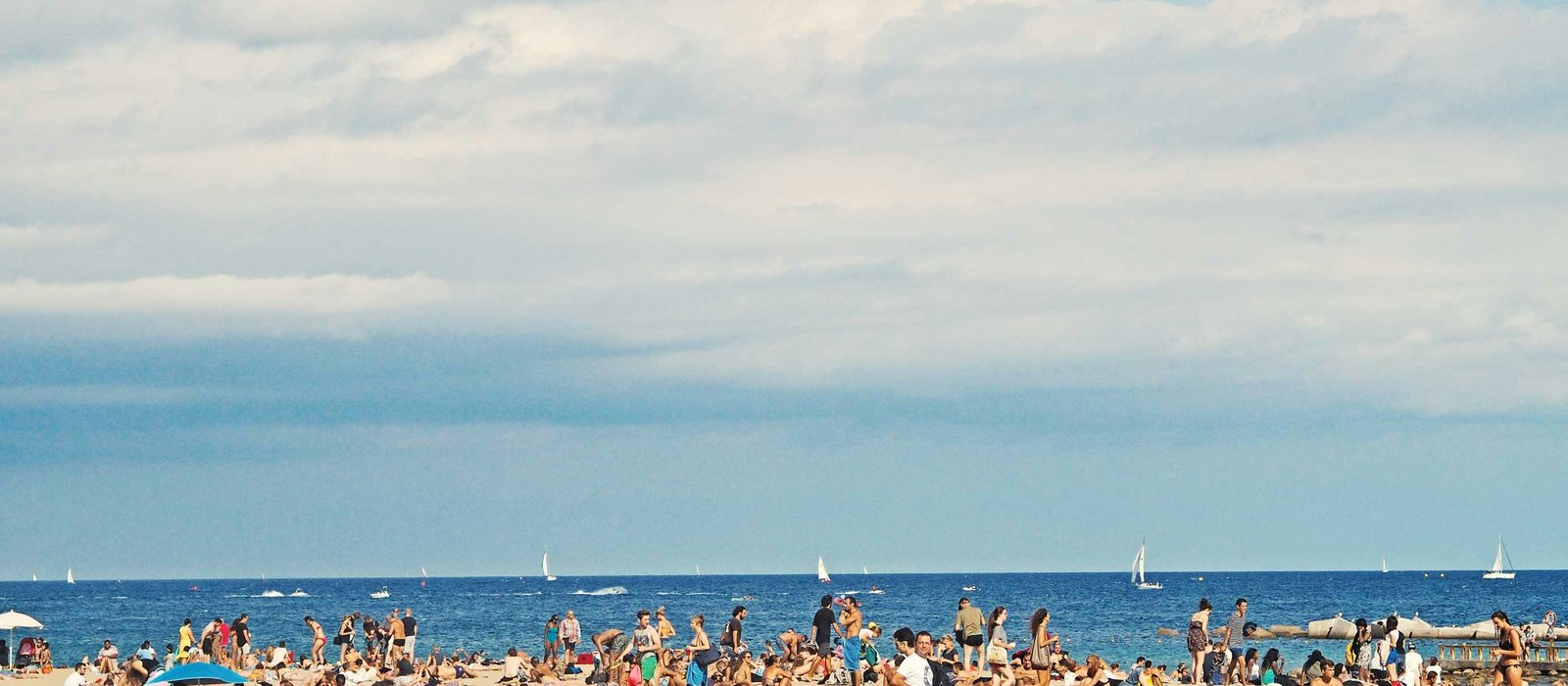
Barceloneta Beach — City beach, walkable from El Born
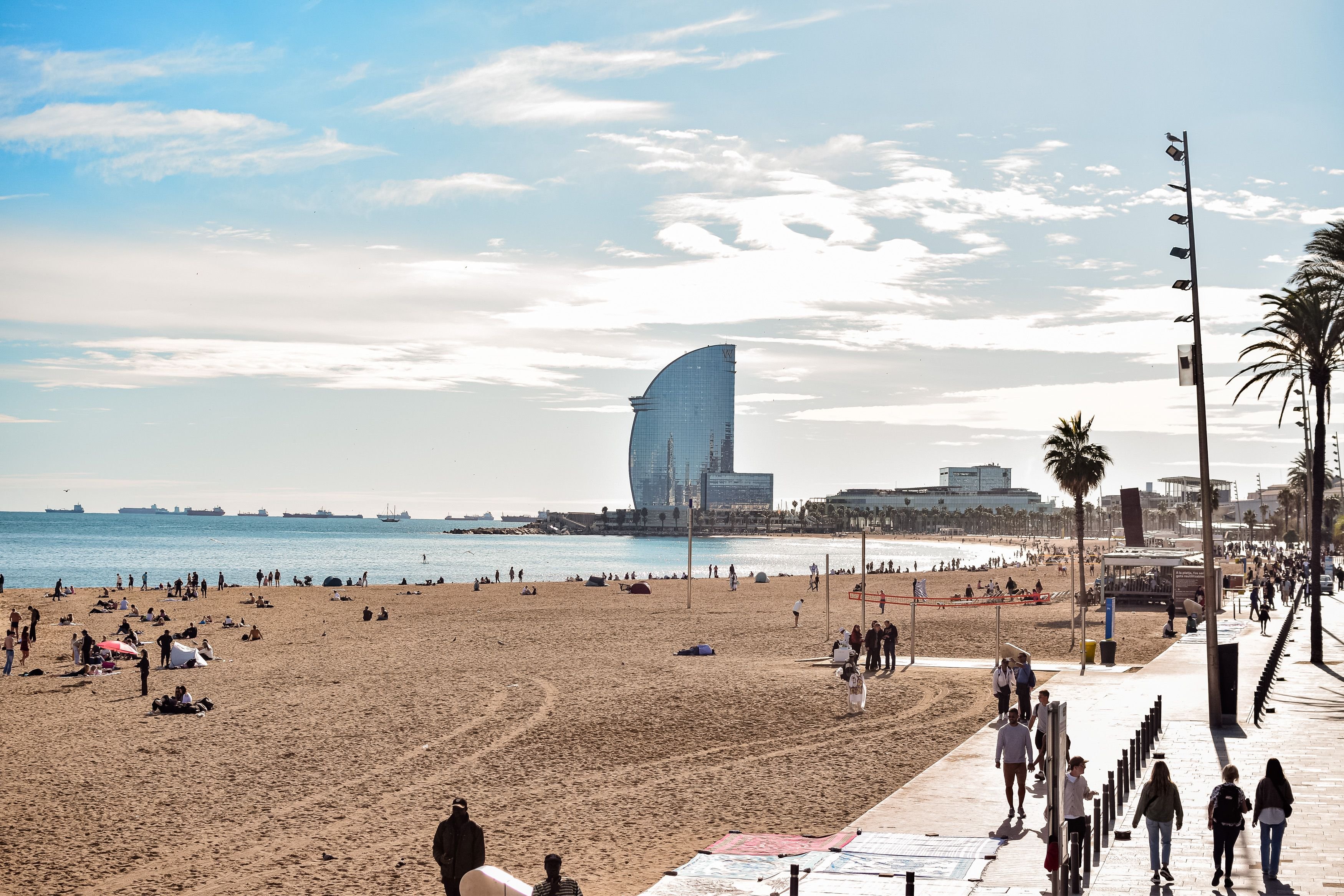
Nova Icària Beach — Family-friendly stretch
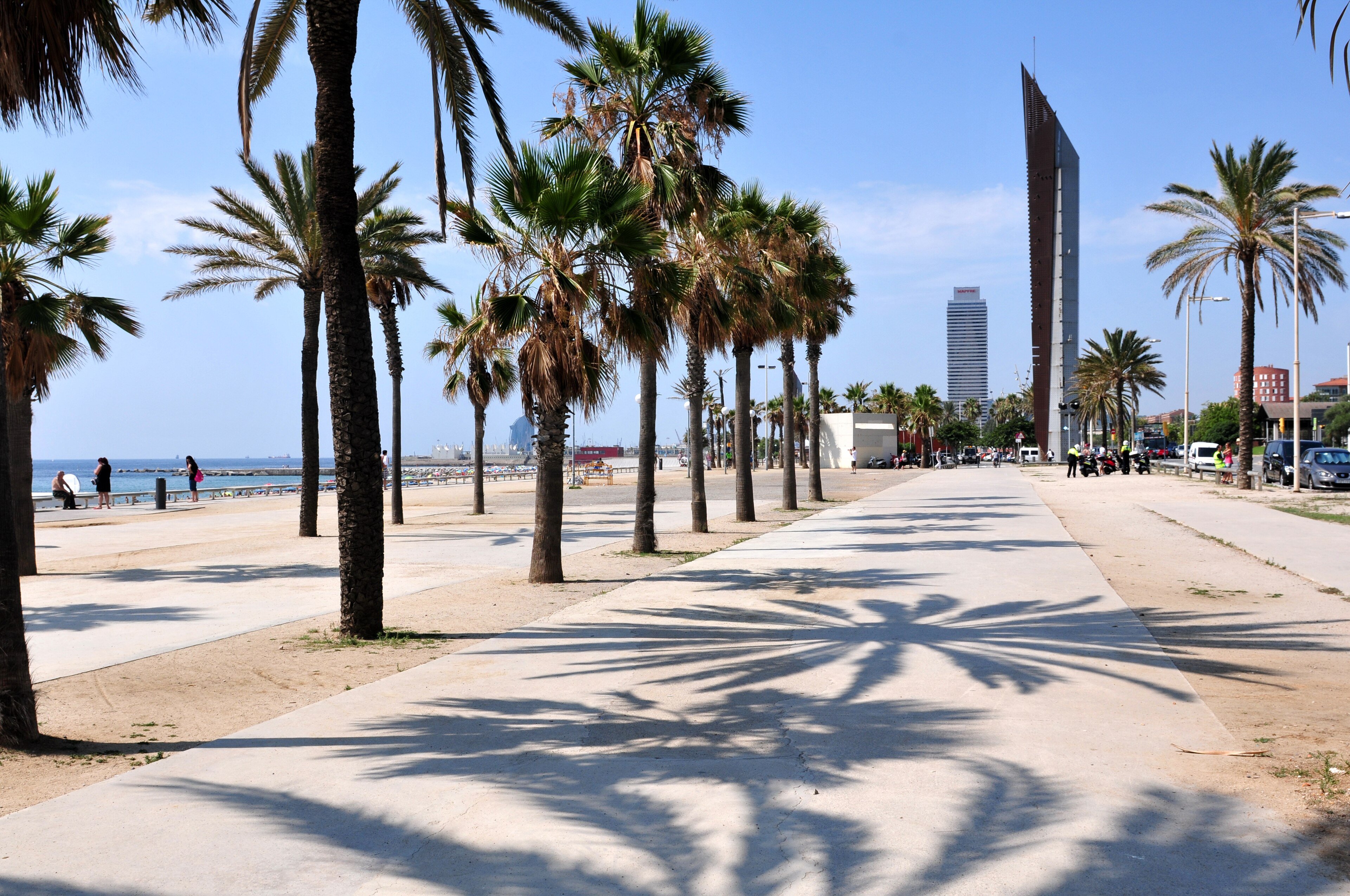
Bogatell Beach — Cleaner, calmer, more local
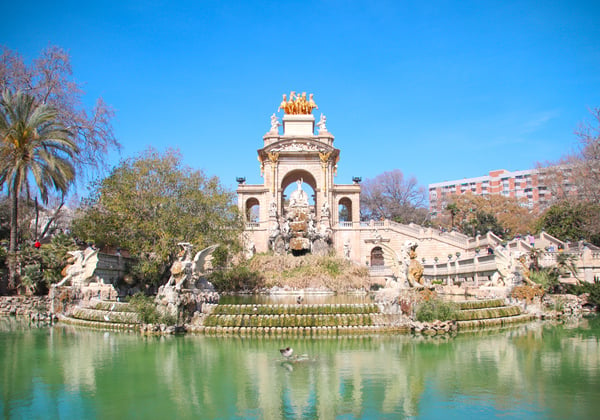
Poblenou — Creative district behind the beaches
First, set expectations
Barcelona's beaches are urban beaches: accessible, lively, well-equipped, and great for a swim and a sunbathe between sights — but busy in summer, man-made (most were created for the 1992 Olympics), and not the place for turquoise-cove solitude. For that, day-trip to the Costa Brava or Sitges. As city beaches go, though, they're excellent: clean, patrolled, with showers, lifeguards in season, beach bars (chiringuitos), and a flat promenade linking them all. They get calmer and quieter the further northeast you go from Barceloneta.
The beaches, south to north
Sant Sebastià & Barceloneta. The most central and famous, right by the Barceloneta neighborhood — liveliest, most crowded, best for people-watching, seafood, and the buzz. Also the busiest and least serene.
Somorrostro. Just northeast, slightly calmer, near the Olympic Port — a good middle ground.
Nova Icària. Calmer and family-friendly, by the Olympic marina; popular with locals and a quieter swim.
Bogatell. A local favorite — wide, clean, well-equipped, less touristy, with a relaxed neighborhood crowd. One of the best all-rounders.
Mar Bella. Younger, sportier, with a designated nudist section and a lively, alternative vibe.
Nova Mar Bella & Llevant. The furthest northeast, calmest and most local, backed by the newer Diagonal Mar district — where you go to escape the crowds.
The rule of thumb: central = lively and crowded; northeast = calmer and more local. If Barceloneta feels like a mob, walk or metro a few stops up the coast and the same sea is far more relaxed.
The one rule: watch your stuff
Beach theft is Barcelona's signature petty crime, and the beaches are prime territory. The golden rule: never leave belongings unattended, especially while you swim. Bring only what you'd be okay losing — leave the passport and spare cards at the hotel, take a little cash and one card, and consider a waterproof pouch for your phone if you swim solo. It's non-violent opportunism, entirely avoidable with a bit of care, but it catches out relaxed tourists constantly. Don't doze off on a towel with your bag as a pillow and your guard down.
Facilities and practicalities
Getting there: metro L4 serves the whole stretch (Barceloneta, Ciutadella/Vila Olímpica, Llacuna, Selva de Mar, El Maresme/Fòrum); the beaches are a short walk from the stations.
Facilities: showers, toilets, lifeguards (in season), beach bars, sunbed and umbrella rentals, and accessible-beach services at some stretches.
Free: all the beaches are public and free; you only pay for rentals and food.
Vendors: roaming sellers of drinks, sarongs, and massages are common — a polite "no" is fine; note buying from unlicensed vendors is technically discouraged.
Sunset and evening: the beaches and promenade are lovely at golden hour, and the chiringuitos turn lively after dark in summer.
Beach culture and etiquette
A few things help you blend in and enjoy the beaches like a local rather than a tourist. Toplessness is common and unremarkable on Barcelona's beaches, and there's a designated nudist stretch at Mar Bella — nobody bats an eye either way, so do as you're comfortable. The chiringuitos (beach bars) are part of the experience: a cold drink or a bite with your feet near the sand is the right way to pass a beach afternoon, though they're pricier than a supermarket run if you're budgeting. Roaming vendors selling drinks, sarongs, sunglasses, and massages will approach you regularly — a polite, firm "no, gracias" is all that's needed. Glass is discouraged and some beaches restrict alcohol; the unlicensed beer-sellers operate in a grey area. And keep the beach clean — the city works hard to maintain these artificial beaches, and bins are provided. Beyond that, beach life here is relaxed and informal; the only real discipline required is the constant low-level vigilance over your belongings.
When to go
Swimming season runs roughly June to September, when the sea is warmest (it's chilly the rest of the year, though the sand and promenade are pleasant year-round). July and August are hottest and most crowded; late spring and early fall give you swimmable water with more room. Mornings are calmest; summer afternoons are peak. Even in winter, a beach-and-promenade walk plus a seafood lunch in Barceloneta is a fine half-day. Whenever you go, the beach pairs naturally with the Barceloneta neighborhood and its seafood — a swim, a walk, and paella by the sea is a quintessential Barcelona afternoon.
FAQ
Are the beaches in Barcelona good?
Yes, as city beaches — clean, accessible, well-equipped, and great for a swim between sights. They're busy urban beaches, not secluded coves; they get calmer and quieter the further northeast you go from Barceloneta.
Which is the best beach in Barcelona?
Barceloneta for central buzz and seafood; Bogatell for a clean, well-equipped local all-rounder; Nova Icària for families; Mar Bella for a younger, sportier vibe (with a nudist section); and the northeastern beaches for the calmest, most local feel.
How do I get to Barcelona's beaches?
The metro L4 line serves the whole stretch — Barceloneta, Ciutadella/Vila Olímpica, Llacuna, Selva de Mar, and El Maresme/Fòrum — with the beaches a short walk from the stations.
Are Barcelona's beaches safe?
Yes for personal safety, but beach theft is the main risk — never leave belongings unattended, especially while swimming. Bring only what you'd be okay losing and leave valuables at the hotel.
When can you swim in Barcelona?
Roughly June to September, when the sea is warm enough; it's chilly outside those months though the beach and promenade are pleasant year-round. Mornings and the shoulder months are calmest.