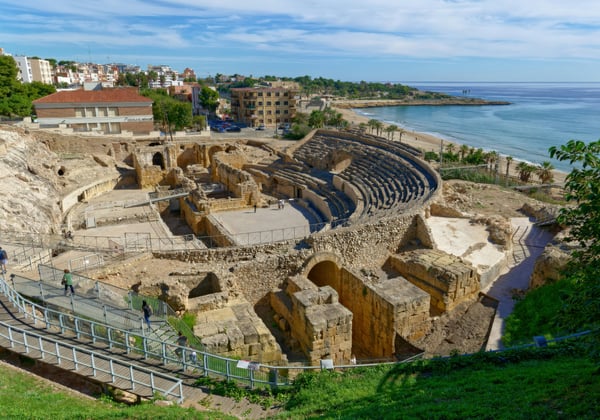
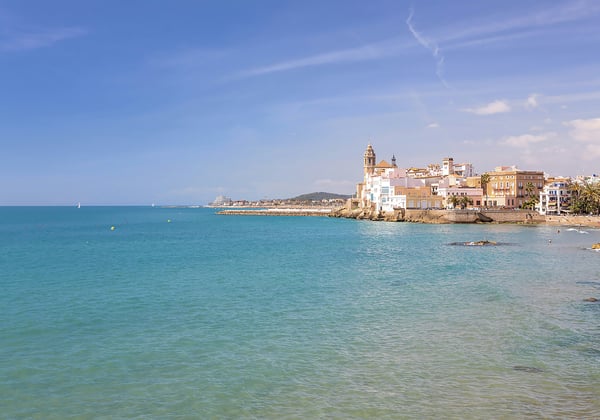
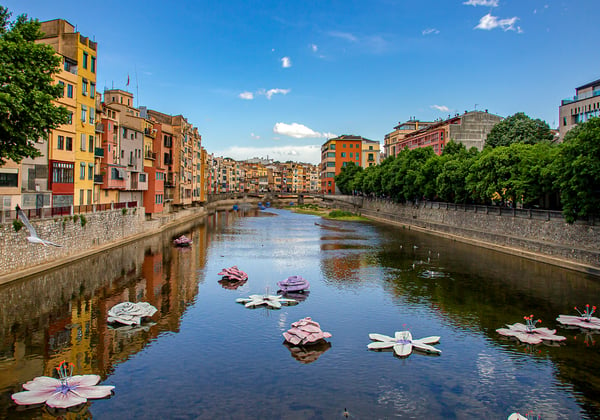
The Costa Brava — the "wild coast" north of Barcelona — is the Mediterranean of your imagination: whitewashed villages tumbling to turquoise coves, pine-clad cliffs, and footpaths that thread from one hidden beach to the next. It's the day trip for travelers who came to Spain partly for the sea. The catch is that the prettiest spots aren't on a train line, so this guide is honest about how to actually get there and which approach fits your day.
The honest transport reality
Unlike Girona or Sitges, the Costa Brava's best coves don't have a direct train. Your three options:
Direct bus to Tossa de Mar: the easiest DIY option — a seasonal direct coach from Barcelona's Estació del Nord reaches Tossa in about 90 minutes. Tossa, with its walled medieval old town right on the beach, is the single best no-car Costa Brava day.
Train + bus: the Renfe R1 commuter line runs up the coast to Blanes, where you transfer to a local bus for Lloret or Tossa. Doable but fiddly, with a connection that adds time.
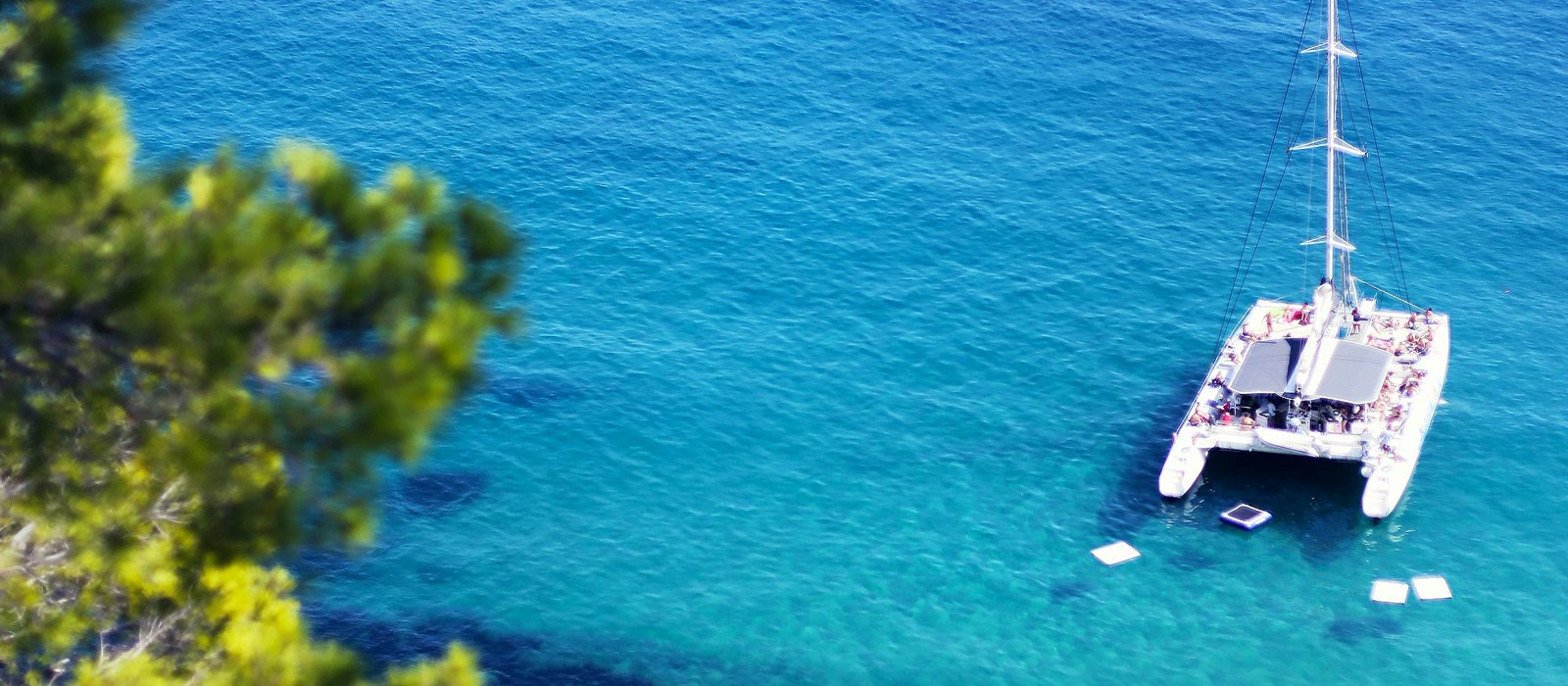
Rental car or guided tour: the only practical way to cove-hop (Calella de Palafrugell, Begur, the camins de ronda coastal paths). A small-group tour handles the driving and usually bundles a couple of villages and a boat ride — the stress-free choice for seeing more than one spot.
The takeaway: for one easy beach town without a car, take the bus to Tossa de Mar. To see the coastline's hidden coves, a car or tour earns its cost.
Where to go
Costa Brava — the coves and towns, and how they string together
Tossa de Mar — Walled Costa Brava town
Cadaqués — Costa Brava village — car/bus, not train
Girona — Medieval walls, 40 min by fast train
Besalú — Medieval bridge village near Girona
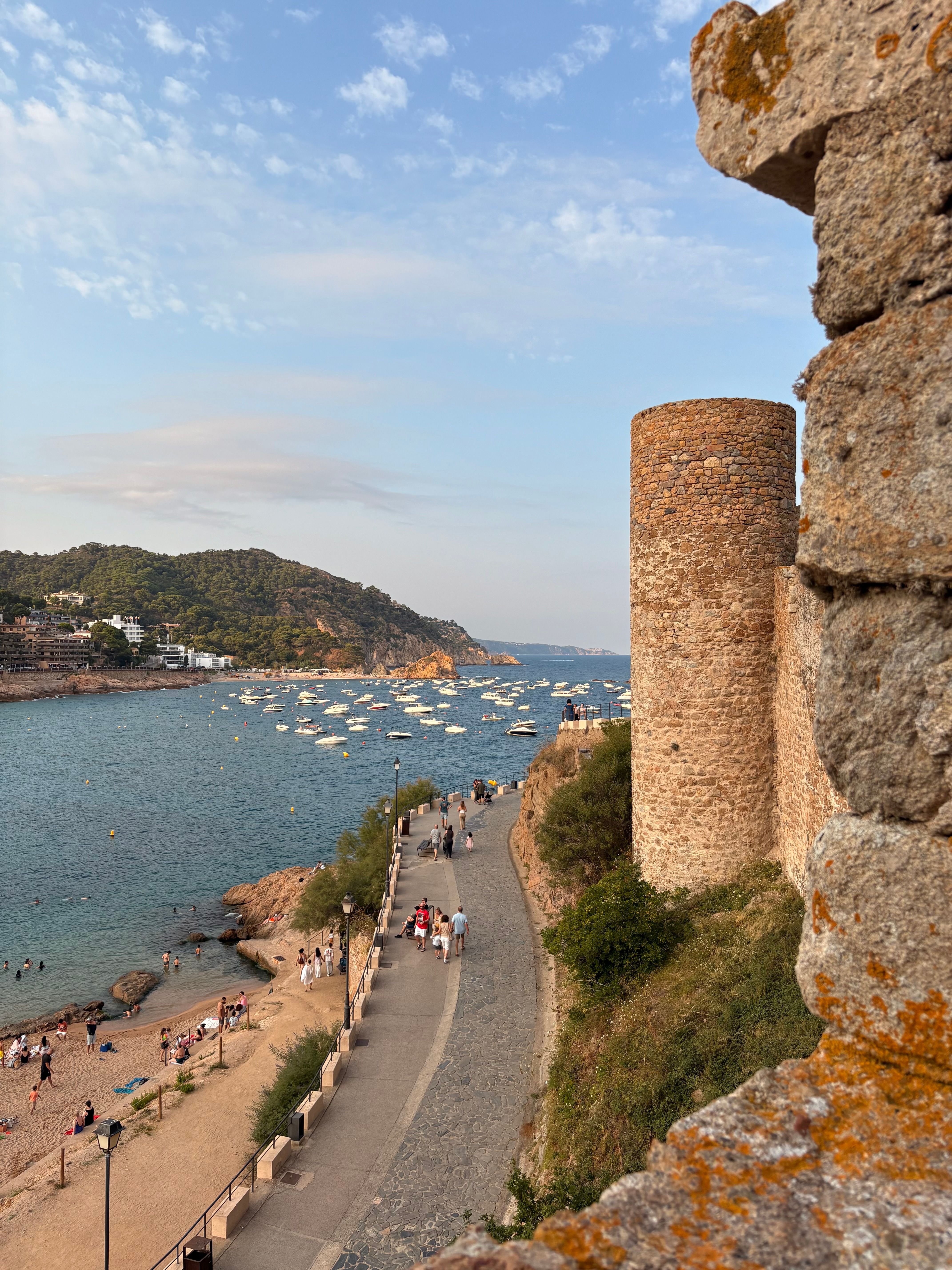
Tossa de Mar. A 12th-century walled headland (the Vila Vella) rising straight from a golden beach, with a castle walk for panoramic views and clear coves for swimming. The most rewarding single destination reachable without a car.
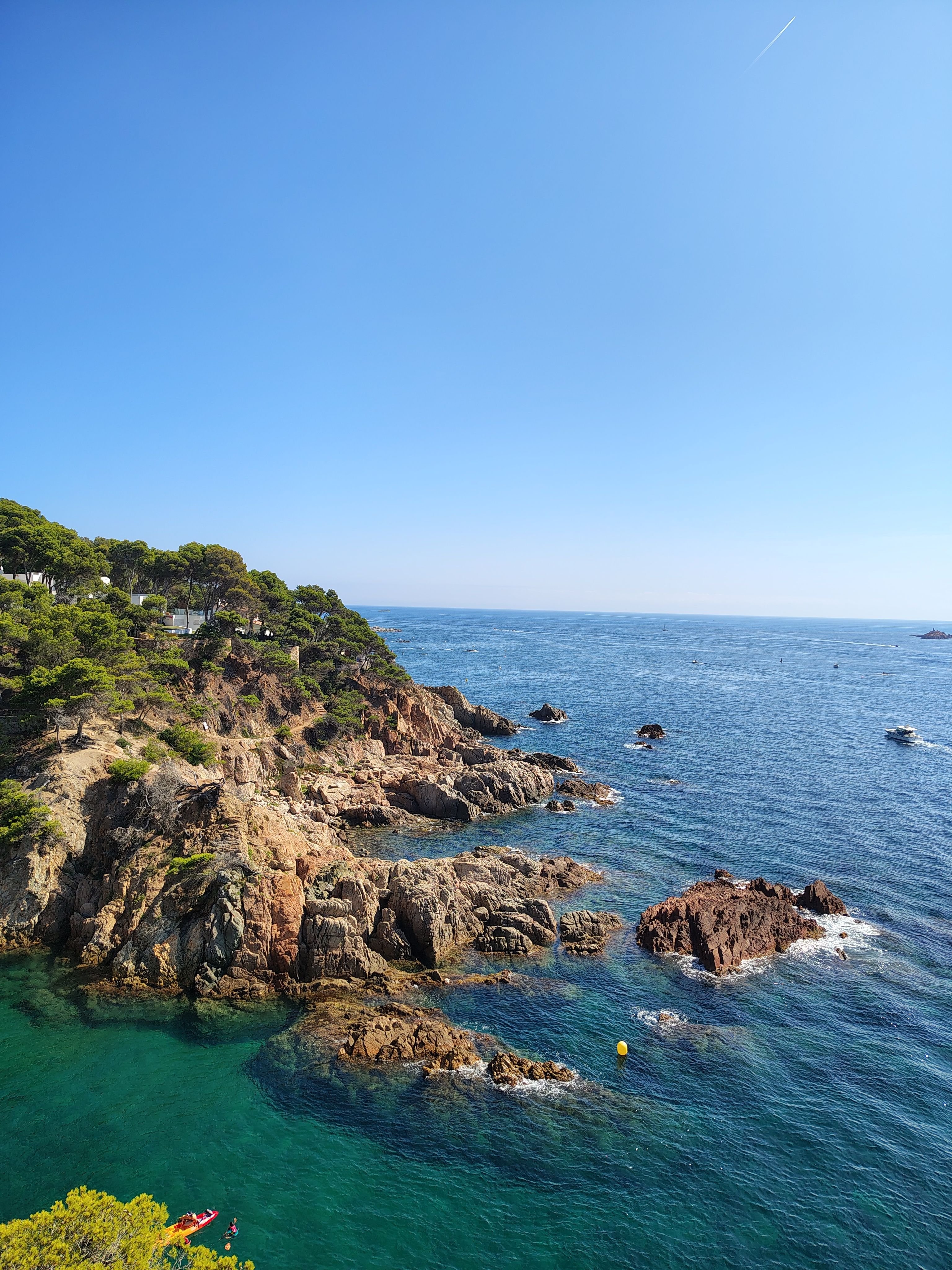
Calella de Palafrugell & Llafranc. The postcard Costa Brava — low whitewashed houses, fishing-cove beaches, and the camí de ronda clifftop path linking them. Car or tour territory.
Begur and its coves. A hilltop town crowned by a castle, with a fan of beautiful small beaches below — a favorite for those willing to drive.
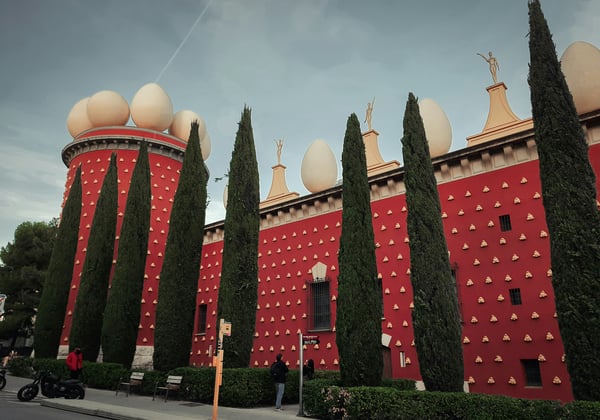
Cadaqués. Dalí's whitewashed home village, dramatic and remote near the French border — too far for a comfortable train-and-bus day, but a stunning drive.
When to go
The sweet spots are May–June and September–October: warm enough to swim, far calmer than the July–August peak when the coast fills with European holidaymakers and parking near the coves becomes a blood sport. In high summer go early and expect crowds; in the shoulder seasons you get the same turquoise water with room to breathe. Outside roughly May–October, the seasonal direct buses thin out and many beach businesses close, so confirm transport before a winter attempt.
Why "wild coast"?
"Costa Brava" translates roughly to "rugged" or "wild coast," and the name earns itself: unlike the long flat beaches of the Costa Dorada south of Barcelona, this northern coastline is all pine-covered cliffs, rocky headlands, and small coves carved into the shore. That geography is exactly why it's beautiful and why it's harder to reach by public transport — the coves are tucked between cliffs rather than strung along a single rail line. The coastal footpaths, the camins de ronda, were originally patrol paths to watch for smugglers and pirates; today they're the best way to experience the coast, threading just above the water from one hidden beach to the next. Understanding that the appeal is the rugged intimacy, not big resort beaches, helps set the right expectation for the day.
Which spot suits which traveler
The Costa Brava isn't one place, so match it to what you want from the day. Want the simplest, most rewarding no-car day? Tossa de Mar — beach, walled old town, and castle views in one walkable package off a direct bus. Want the classic whitewashed-cove postcard and you've got a car or a tour? Calella de Palafrugell and Llafranc, linked by the clifftop camí de ronda. Want a hilltop town with a choice of beaches below? Begur. Chasing the Dalí connection and a dramatic drive? Cadaqués, though it's really a stretch for a single day from Barcelona. First-timers without a car should not overthink it: Tossa delivers the Costa Brava feeling with the least friction, and the other coves can wait for a trip where you've rented wheels and can take the coast at its own pace.
Making it a good day
Pick one base, don't over-roam. Without a car, settle into one town (Tossa) rather than chasing several — transfers eat the day.
Bring beach kit. Water shoes help on pebbly coves; pack sunscreen, water, and a towel.
Walk a stretch of the camí de ronda if you can — even a short clifftop section between two coves is the Costa Brava at its best.
Book a coastal lunch ahead on summer weekends; waterfront tables in the popular villages go fast.
Confirm the last bus/train back before you relax into the afternoon — missing it on a seasonal schedule means an expensive taxi.
Set expectations on travel time. Even the easy option is ~90 minutes each way, so a Costa Brava day is genuinely a full day out, not a quick morning escape — plan it as the whole day's plan, not an add-on.
Cash for small towns. Cards work in most restaurants, but small beach kiosks, parking machines, and the odd village bus move faster with a few euros in coins.
FAQ
What's the best Costa Brava day trip from Barcelona without a car?
Tossa de Mar — a direct seasonal bus from Estació del Nord reaches its walled beach town in about 90 minutes. It's the most rewarding single Costa Brava destination you can do without driving.
Can you get to the Costa Brava by train?
Partly — the R1 commuter line reaches Blanes, then you transfer to a bus for Lloret or Tossa. The prettiest coves (Calella de Palafrugell, Begur, Cadaqués) need a car or a guided tour.
Is a tour worth it for the Costa Brava?
For cove-hopping, yes — a small-group tour handles the driving and usually bundles a couple of villages and a boat ride. For one easy beach town, the bus to Tossa is cheaper and simple.
May–June and September–October — warm water, fewer crowds, and easier parking than the July–August peak. Outside roughly May–October, seasonal buses and beach businesses wind down.
How far is the Costa Brava from Barcelona?
Tossa de Mar is about 90 minutes by direct bus; the cove villages further north are 1.5–2.5 hours by car. It's a full-day trip either way.