The Dalí Theatre-Museum in Figueres is one of Spain's most extraordinary museums — not a conventional gallery but a surreal, total artwork designed by Salvador Dalí himself, who is also buried inside it. An hour north of Barcelona by high-speed train, it makes a brilliant day trip for anyone with even a passing interest in art, and it pairs beautifully with Girona on the same line. This guide covers getting there, what to expect, tickets, and how to plan the day.
Barcelona → Figueres by high-speed train
Barcelona Sants — Main long-distance train station
Figueres (Dalí Museum) — Dalí's theatre-museum
What the Dalí Theatre-Museum is
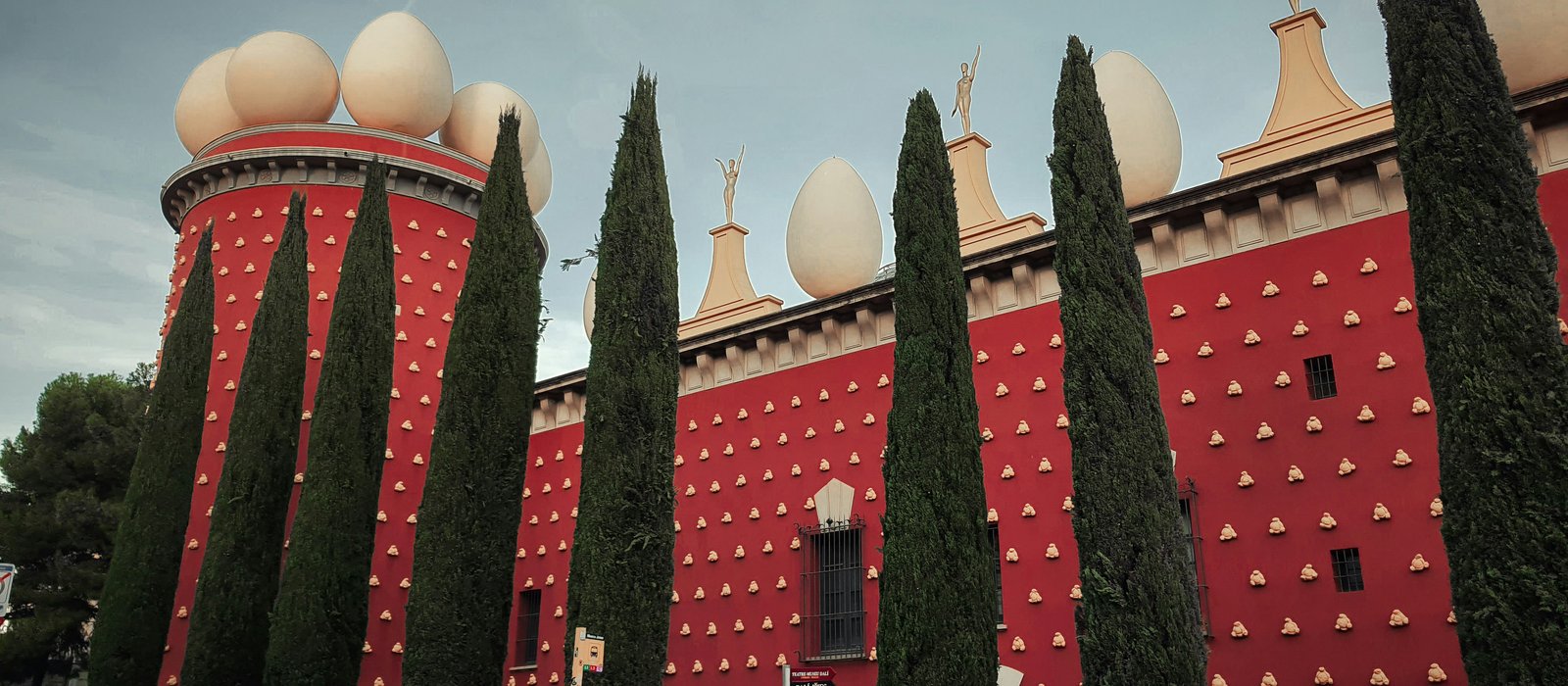
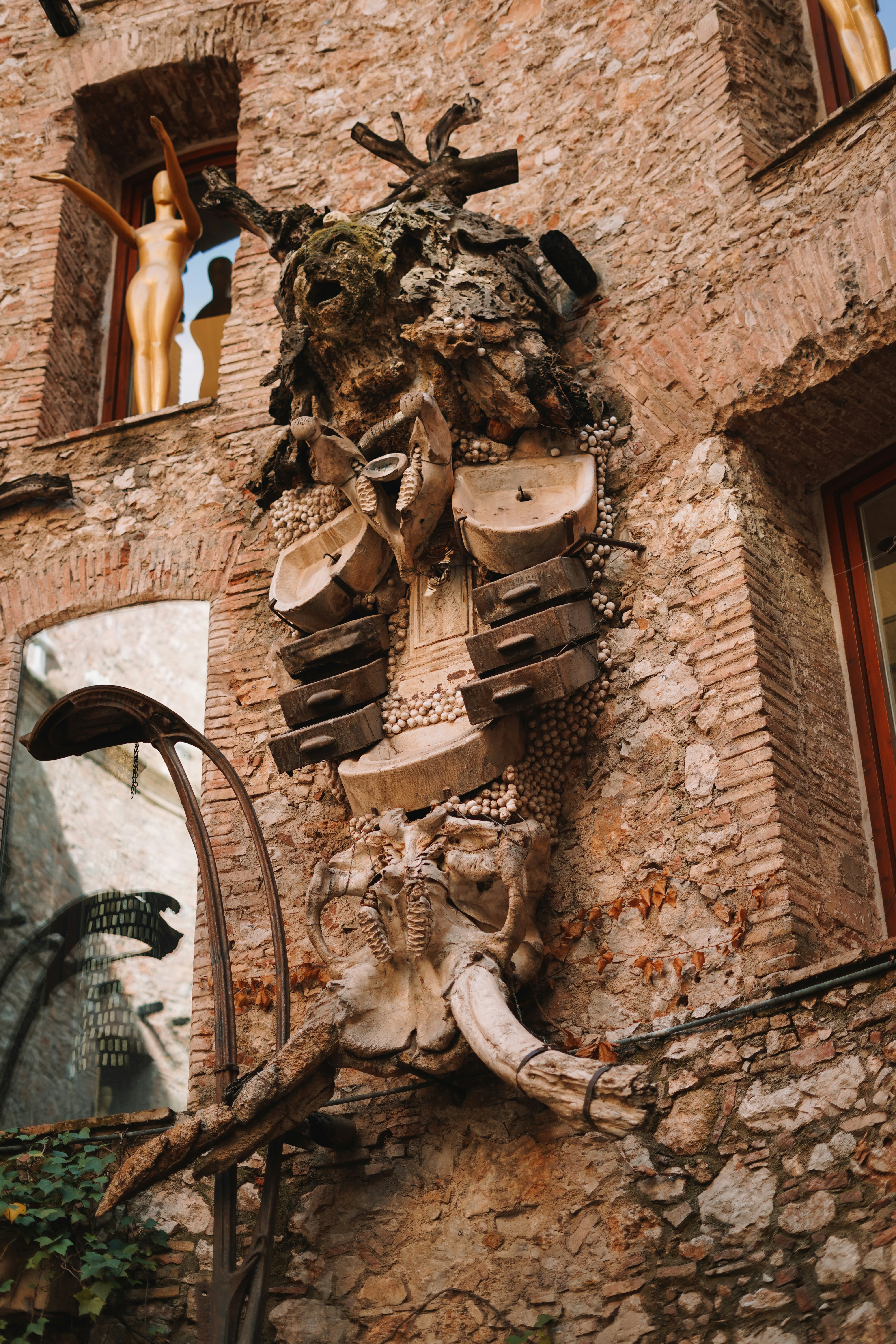
This is not a normal museum. Dalí built it on the ruins of the old municipal theatre of his hometown, Figueres, and opened it in 1974 as a single immense surrealist artwork — every room, ceiling, and courtyard is part of the experience. The building itself is unforgettable: a deep-red structure topped with giant eggs and a transparent geodesic dome, studded with Dalí's playful, dreamlike touches. Inside are the largest collection of his works anywhere, spanning his whole career, plus optical illusions, installations, and theatrical surprises. Dalí is entombed beneath the stage — fittingly, he lives inside his own masterpiece. It's consistently one of Spain's most-visited museums, and unlike Barcelona's Picasso Museum (his formative years), this is Dalí at full, mature, surreal force.
Getting there
High-speed train (recommended): AVE/Avant from Barcelona Sants to Figueres-Vilafant in about 55 minutes. Fares are cheapest when booked ahead on Renfe (high-speed pricing is dynamic, so book early for the low fares). Figueres-Vilafant is about a 20-minute walk (or short taxi) from the museum.
Regional train: slower (~1h50) and a bit cheaper, but it arrives at the central Figueres station, which is closer to the museum (~12-minute walk) — a reasonable trade if you don't mind the longer ride.
Book high-speed ahead for the cheap fares; regional you can buy day-of.
Note: your Barcelona transit card doesn't cover this out-of-zone trip — buy a separate ticket.
Tickets and visiting
Admission is around €18 for adults (confirm current pricing on the official salvador-dali.org site, as it varies by season). The ticket includes the adjoining Dalí Jewels collection.
Book online in advance — it's hugely popular and sells out, especially in summer; timed entry saves you a long queue.
Allow about two hours to do it justice — there's far more inside than the famous melting-clock imagery suggests.
Hours shift seasonally (longer in summer, sometimes closed Mondays in low season, with parts of January/February closed) — check before you go.
An audio guide helps decode the surreal, layered rooms — much of it defies obvious explanation.
Pairing with Girona — the smart move
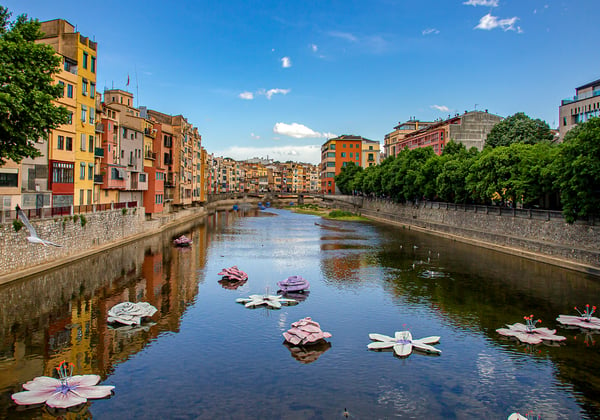
The single best way to do Figueres is to combine it with Girona, which sits on the same high-speed line 15 minutes south. The classic plan: do the bigger wander first — Girona's medieval old town in the morning — then continue to Figueres for the Dalí Museum in the afternoon (it's a contained, ~2-hour visit), before the train back to Barcelona. Two of Catalonia's best sights on one train line makes for a rich, efficient day. If you'd rather not rush, Figueres alone is a relaxed half-to-full day.
Beyond the museum: the Dalinian Triangle
Serious Dalí fans can chase the "Dalinian Triangle" — the Figueres museum plus his seaside home at Port Lligat (near Cadaqués) and Gala's castle at Púbol. But these are spread out, hard to reach without a car, and really require an overnight in the region — not a Barcelona day trip. For a day from Barcelona, the Figueres museum is the headline act and more than enough; save the Triangle for a dedicated Costa Brava trip.
Beyond the museum: Figueres itself
While the Dalí Theatre-Museum is the reason to come, Figueres is a pleasant small Catalan town worth a little time around your visit. It's the capital of the Alt Empordà region, with an agreeable old center, the long tree-lined Rambla where locals stroll, and a scattering of cafés and tapas bars for a relaxed lunch — generally cheaper and less touristy than eating in Barcelona. If you have extra time and the appetite, the town also holds the quirky Toy Museum of Catalonia (which includes items from Dalí's own childhood) and the imposing 18th-century Sant Ferran Castle, one of the largest fortresses in Europe, on the edge of town. None of these rival the main museum, but they round out a full day nicely if you're not pairing the trip with Girona. For most visitors, though, the museum plus a leisurely Catalan lunch on the Rambla is the ideal Figueres day.
Is it worth it?
For anyone with an interest in art or the surreal, absolutely — the Theatre-Museum is a one-of-a-kind experience, as much an immersive funhouse as a gallery, and the high-speed train makes it an easy day. Even skeptics tend to be won over; it's playful, strange, and joyful in a way no other museum quite matches. Pair it with Girona and you've got one of the most rewarding day trips Catalonia offers.
FAQ
How do I get to the Dalí Museum from Barcelona?
High-speed AVE/Avant train from Barcelona Sants to Figueres-Vilafant in about 55 minutes (then a 20-minute walk or short taxi to the museum). Regional trains are slower (~1h50) but arrive closer to the museum at the central station.
How much are tickets to the Dalí Theatre-Museum?
Around €18 for adults (it includes the Dalí Jewels collection), though prices vary by season — confirm on the official salvador-dali.org site. Book online in advance, as it sells out, especially in summer.
How long do I need at the Dalí Museum?
About two hours to do it justice — there's far more inside than the famous imagery suggests. It's a contained visit, which is why it pairs so well with a morning in Girona on the same train line.
Can I combine Figueres with Girona?
Yes, and it's the smart move — they're 15 minutes apart on the same high-speed line. Do Girona's old town in the morning and the Dalí Museum in the afternoon for a rich, efficient day from Barcelona.
What makes the Dalí Museum special?
Dalí designed it himself as a single immersive surrealist artwork — a red building topped with giant eggs and a glass dome, full of optical illusions and theatrical rooms, holding the largest collection of his work. He's even buried inside it.