The Picasso Museum is Barcelona's most popular art museum, and it offers something no other Picasso collection in the world does: a deep, intimate portrait of the artist's formative years, set in five medieval Gothic palaces in the heart of El Born. It's not where you'll find the famous Cubist masterpieces — those are elsewhere — but it's where you understand how a teenage prodigy became Picasso. This guide covers what to expect, how to get tickets (including free entry), and how to make the most of a visit.
The Picasso Museum, in El Born
Picasso Museum — El Born — booked slots
Santa Maria del Mar — El Born's great Gothic church
El Born — Medieval lanes, bars & the Picasso
What the museum actually holds
This is the key thing to understand: the Barcelona Picasso Museum focuses on his early and formative work — the years he spent in the city from age 14, when his family moved here in 1895. The collection of several thousand works traces his astonishing development from precocious academic teenager through his Blue Period, with the crown jewel being his complete "Las Meninas" series — 58 canvases reinterpreting Velázquez's masterpiece, the only complete Picasso series displayed in one place anywhere. If you arrive expecting Guernica or the famous Cubist paintings, you'll be disappointed; come instead to see genius forming, which is its own kind of thrilling.
The setting
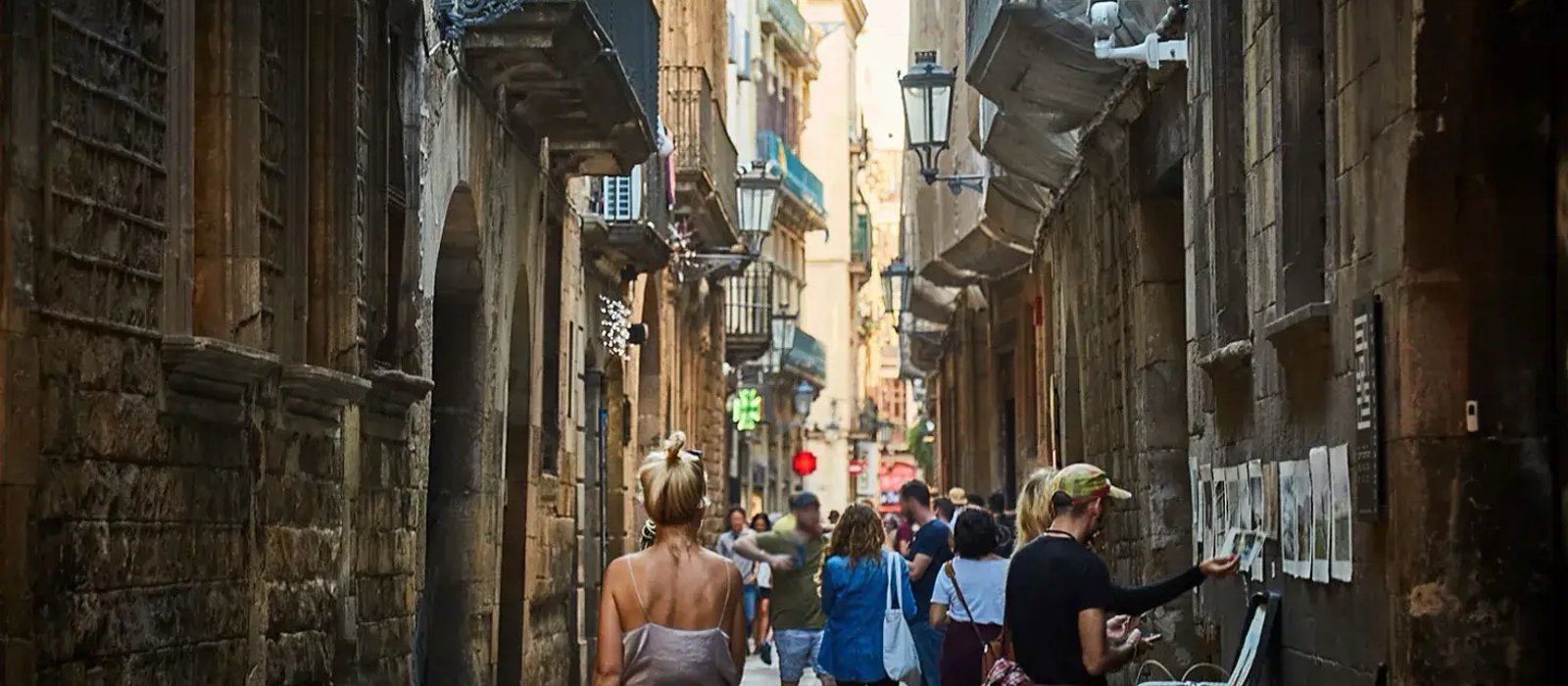
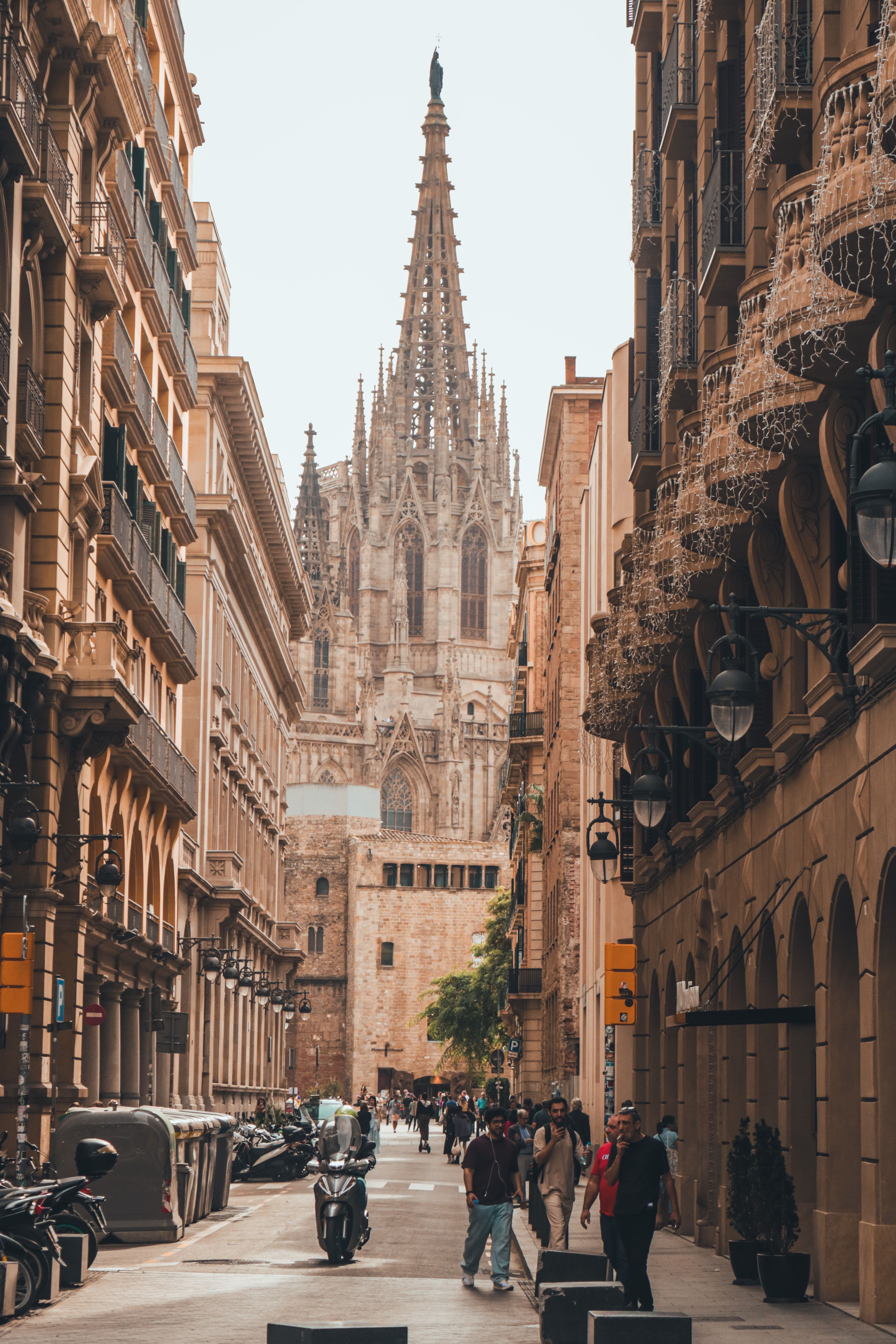
Half the pleasure is the building: the museum occupies five adjoining medieval Gothic palaces on Carrer de Montcada, one of El Born's most atmospheric streets. The stone courtyards and historic rooms are a beautiful contrast to the art, and the El Born location means you can fold the visit neatly into exploring that neighborhood (and the nearby Santa Maria del Mar basilica).
Tickets, hours, and free entry
Details shift seasonally, so confirm on the official site, but the general picture for 2026:
Admission starts around €12 for the permanent collection (more with temporary exhibitions); reduced rates for ages 18–25, and free for under-18s.
Free entry on the first Sunday of each month, on Thursday afternoons (roughly 4–7pm in winter), and on selected "open door" days — expect these to be busy.
Closed Mondays (a common trap — plan around it), plus a few holidays.
Hours run roughly Tuesday–Sunday from morning to early evening, with later Thursday opening; exact times vary by season, and last entry is 30 minutes before closing.
The Articket (around €38) bundles skip-the-line entry to six major Barcelona art museums including this one — worth it if you'll visit several.
How to visit smartly
Book a timed ticket online ahead — it's one of the city's most visited museums and lines are long; pre-booking saves serious time.
Go early or late — Tuesday and Wednesday mornings at opening are the quietest; the free windows are the most crowded.
Don't visit on a Monday — it's closed, as are several other Barcelona museums; save Mondays for daily-open sights.
Allow 1.5–2 hours — it's substantial but not overwhelming; the medieval setting rewards an unhurried pace.
Pair it with El Born — Santa Maria del Mar, the Born Cultural Centre, and a tapas lunch are all steps away, making a perfect half-day.
Manage expectations — embrace it as the story of Picasso's beginnings, not a greatest-hits gallery.
Why Barcelona, of all places
It's worth understanding why this deeply Spanish artist's most personal museum sits in Barcelona rather than Málaga (his birthplace) or Paris (his adopted home). Picasso arrived in Barcelona at 14 in 1895, and the city shaped him at the most formative moment of his life: he trained here, had his first studio and first exhibition here (at the bohemian café Els Quatre Gats), and absorbed the turn-of-the-century creative ferment — the same Modernista energy then transforming the city's architecture. He kept a lifelong attachment to Barcelona, and the museum exists largely because of that bond: it was founded in 1963 with the involvement of his close friend and secretary Jaume Sabartés, while Picasso was still alive, and the artist himself donated works, including the Las Meninas series. That personal history is why the collection goes so deep on the early years no other museum prioritizes — it's not a survey of his career but a portrait of the city that made him, assembled by the people who knew him. Visiting with that in mind reframes the whole experience: you're seeing Barcelona's claim on Picasso, told through the work he made while becoming himself.
Is it worth it?
For art lovers, absolutely — the formative-years focus and the Las Meninas series make it a unique and moving experience, and the Gothic-palace setting is a draw in itself. For casual visitors, it's worth it if you're already interested in Picasso or want a substantial museum in beautiful surroundings; if you're indifferent to his early work and short on time, you might prefer the Miró Foundation or MNAC. Either way, knowing in advance that this is about Picasso's becoming — not his blockbusters — is the key to enjoying it for what it gloriously is.
FAQ
What's in the Picasso Museum in Barcelona?
It focuses on Picasso's early and formative years, with several thousand works tracing his development from teenage prodigy through his Blue Period, plus his complete "Las Meninas" series. It's not where the famous Cubist masterpieces or Guernica are displayed.
How much are tickets, and is there free entry?
Admission starts around €12 for the permanent collection, free for under-18s. Free entry is offered on the first Sunday of each month, Thursday afternoons, and selected open-door days — though these get crowded. Confirm current prices on the official site.
Is the Picasso Museum open on Mondays?
No — it's closed Mondays, like several Barcelona museums. Plan your visit for Tuesday through Sunday, and save Monday for daily-open sights like the Sagrada Família or the Gaudí houses.
Do I need to book in advance?
Strongly recommended — it's one of Barcelona's most visited museums with long lines. Book a timed ticket online, and aim for Tuesday or Wednesday morning at opening for the quietest visit.
How long does a visit take?
About 1.5 to 2 hours. It's substantial but not overwhelming, and the medieval Gothic-palace setting rewards an unhurried pace. It pairs perfectly with exploring El Born afterward.