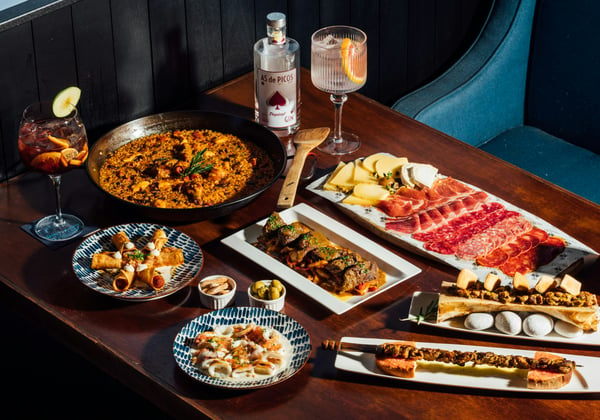
Tapas are the heart of eating in Barcelona — but the way they actually work surprises a lot of Americans, who arrive picturing a fixed "tapas menu" and a tidy dinner. The reality is looser, more social, and far more fun once you understand the rhythm: small plates, shared, often standing, hopping bar to bar, eaten late. This guide explains how tapas really work here, what to order, the local etiquette, and how to do a proper tapas crawl like you belong.
What tapas actually are (and aren't)
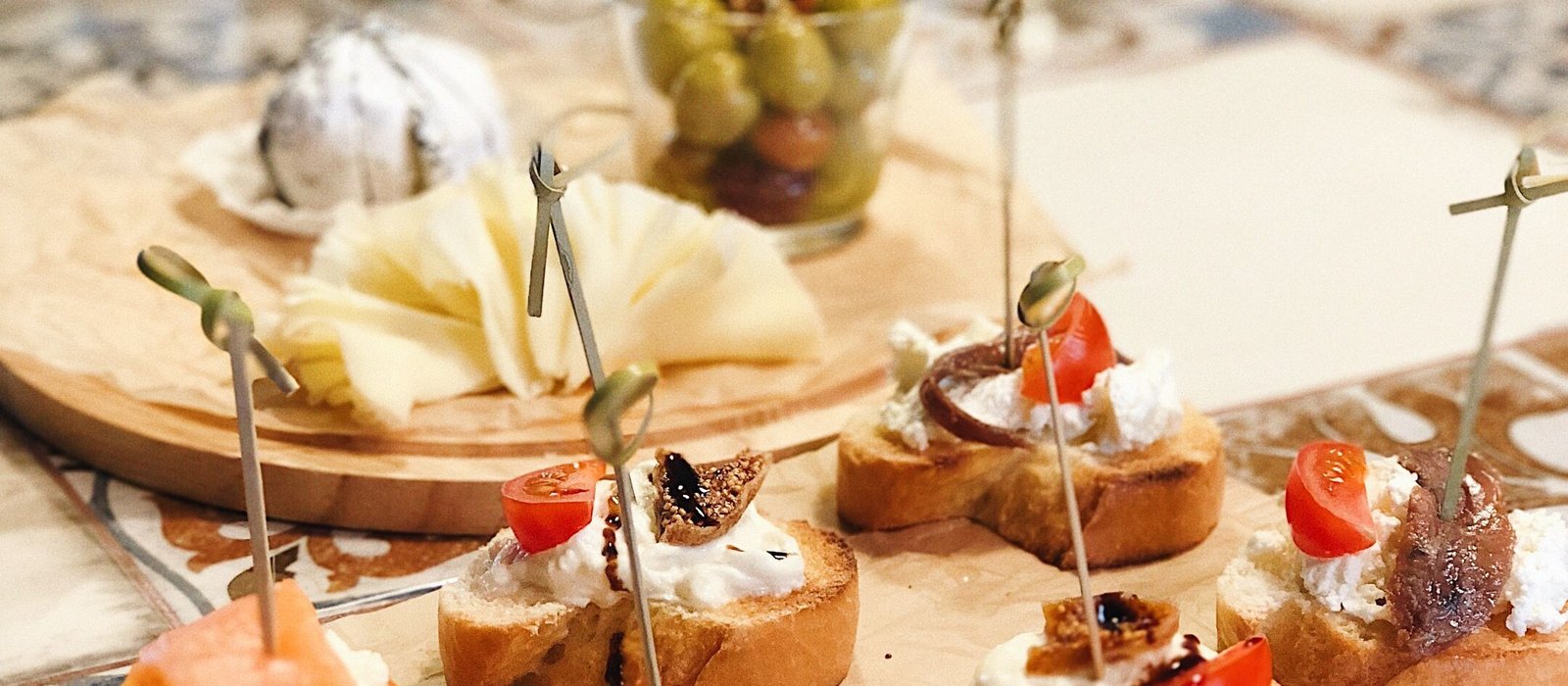
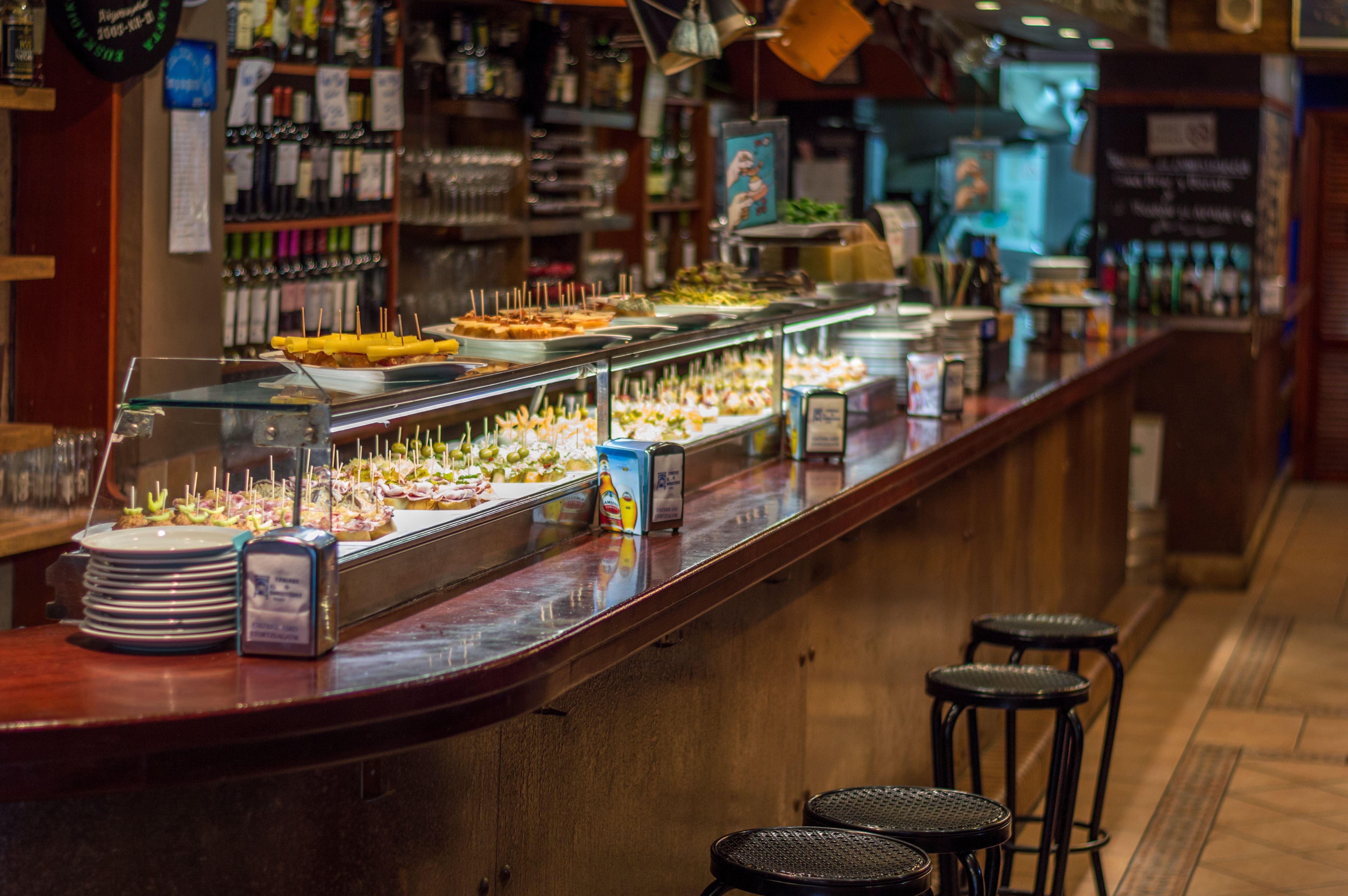
"Tapas" just means small plates of food, meant to be shared, traditionally eaten alongside drinks. They aren't a specific dish or a set menu — they're a way of eating: order a few things, share them across the table, order a few more, move on. A meal can be made entirely of tapas, or they can be a pre-dinner graze. One Catalan-specific note: here you'll often encounter pintxos (the Basque-style version) — small bites, frequently on a slice of bread, sometimes held together with a toothpick — especially in certain bars where you grab them off the counter and pay by the number of sticks.
What to order: the essentials
A few dishes belong on any first-timer's tapas tour:
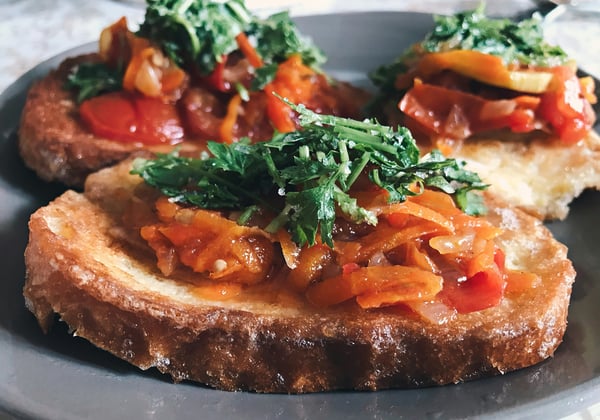
Pa amb tomàquet — the Catalan staple: bread rubbed with ripe tomato, olive oil, and salt. Simple and everywhere; often the base for other tapas.
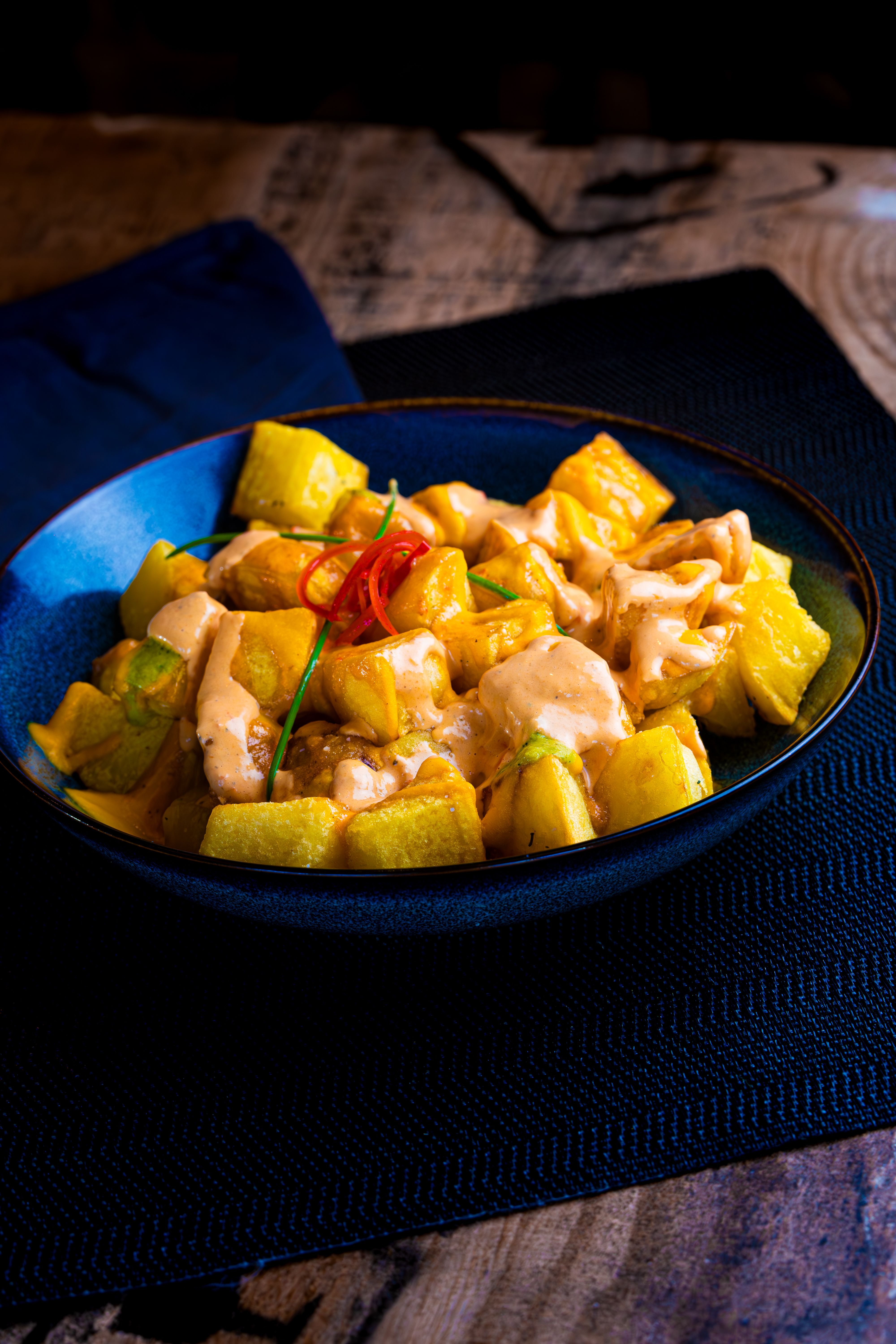
Patatas bravas — fried potatoes with a spicy-ish sauce (and often aioli). The classic test of a tapas bar.
Jamón ibérico — cured Iberian ham, ideally the acorn-fed bellota; a revelation if you've only had supermarket prosciutto.
Croquetas — creamy béchamel croquettes, usually ham or salt cod.
Pulpo a la gallega — octopus with paprika and olive oil; tender, not rubbery, when done right.
Boquerones / anchoas — fresh anchovies in vinegar (boquerones) or cured (anchoas); far better than their reputation.
Pimientos de Padrón — blistered small green peppers, mostly mild with the occasional spicy surprise.
Bombas — Barceloneta's own: a fried potato-and-meat ball with spicy sauce.
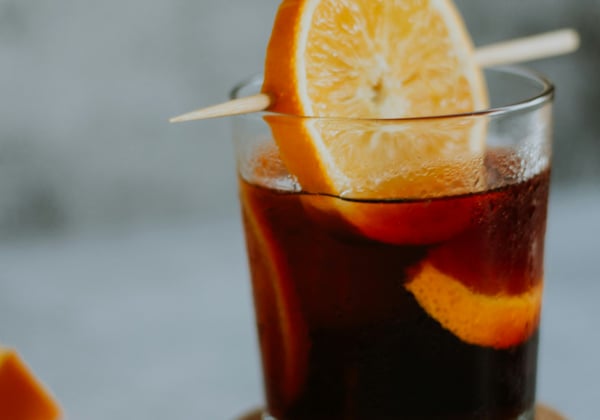
Vermut (vermouth). The local ritual drink — herby, slightly sweet, served over ice with a slice of orange and an olive, especially at midday on weekends ("fer el vermut"). Order this and you instantly read as someone who knows the city.
Cava. Catalonia's sparkling wine, crisp and a fraction of Champagne's price — perfect with tapas.
Beer (caña). A small draft beer, the default casual pour; "una caña" gets you a fresh small glass rather than a warming pint.
Wine. Local Catalan reds and whites are excellent and cheap by the glass.
Skip the sangria. It's largely a tourist drink here; locals drink vermut, cava, wine, or beer. Order those instead.
The etiquette that marks you as savvy
Eat late. Tapas dinner starts at 8:30–9pm at the earliest; arrive at 7 and you'll be dining with other tourists in a half-empty room.
Share everything. Plates go to the middle; nobody orders "their own" tapa.
Order in rounds. A few plates, see how you feel, order more. Don't front-load the whole meal at once.
Standing is normal. Many of the best tapas bars are stand-at-the-counter affairs; a packed, loud bar is a good sign, not a bad one.
For pintxos, track your sticks. In toothpick-style bars, you grab what you want and they count the picks to tally your bill — don't throw them away.
Ask for the bill. It won't come unprompted — "el compte, si us plau" (Catalan) or "la cuenta, por favor" (Spanish).
Tip lightly or not at all. Round up; no American-style percentage needed.
How to do a tapas crawl
The classic Barcelona evening is a ruta de tapas — moving between several bars, a plate or two and a drink at each, rather than settling in one place. The best crawl neighborhoods are El Born (refined, quality-dense), Poble-sec (especially Carrer de Blai, lined with cheap pintxos bars), Gràcia (local and relaxed), and the Gothic Quarter's back streets (skip the main tourist lanes). Start around 8:30, do three or four stops, follow the crowds to the busy bars, and let the evening wander. It's the single most enjoyable, most local way to eat in Barcelona.
How to avoid the traps
The bad tapas bars cluster where the tourists are — Las Ramblas above all. Warning signs: photo menus, push outside, "tapas + sangria" combo deals, microwaved-looking patatas bravas, and prices in multiple languages with no locals inside. The good spots are often plainer, busier with Spanish-speakers, and a few streets off the main drag. When in doubt, follow the rule that serves you everywhere in this city: walk two streets away from the crowd and find where the locals are standing.
FAQ
What exactly are tapas?
Small plates of food meant to be shared alongside drinks — not a specific dish or set menu, but a way of eating: order a few things, share them, order more, often while bar-hopping. A whole meal can be made of tapas.
What should I order at a tapas bar?
Start with pa amb tomàquet, patatas bravas, jamón ibérico, croquetas, and pimientos de Padrón, plus local specialties like bombas or escalivada. Drink vermut, cava, wine, or a caña — skip the touristy sangria.
What time do people eat tapas in Barcelona?
Late — tapas dinner starts around 8:30–9pm. Arrive earlier and you'll be eating with other tourists; the bars fill with locals later in the evening.
What's a tapas crawl?
A ruta de tapas — moving between several bars with a plate or two and a drink at each, rather than staying in one place. Great crawl areas are El Born, Poble-sec (Carrer de Blai), Gràcia, and the Gothic Quarter's back streets.
How do I avoid tourist-trap tapas bars?
Avoid photo menus, sangria-combo deals, and anywhere with hawkers out front, especially on Las Ramblas. Head a few streets off the main drag to the plainer, busier bars full of locals.