Barceloneta is Barcelona's beach neighborhood — a tight triangle of streets jutting into the sea, built in the 18th century for fishermen and sailors and still carrying that salty, working-class soul beneath the tourist buzz. It's where the city meets the Mediterranean: golden sand, seafood institutions, a buzzing boardwalk, and narrow lanes hung with laundry. This guide covers the beach, the food, the vibe, and the honest trade-offs of one of Barcelona's most distinctive corners.
Barceloneta — beach, harbour and the park behind it
Barceloneta Beach — City beach, walkable from El Born
Port Vell — Old harbour, aquarium, marina
Parc de la Ciutadella — The central park — greenhouse & lake
The lay of the land
Barceloneta is a small, dense grid of narrow streets on a triangular spit between the old port and the beach, just south of El Born. The neighborhood's tight blocks — built to pack in maritime workers — give it an intimate, village-by-the-sea feel quite different from the rest of the city. The Barceloneta (L4)metro stop serves it, and it's walkable from the Gothic Quarter and El Born in 10–15 minutes. The beach runs along its seaward edge, the first in a chain of city beaches stretching northeast.
The beach
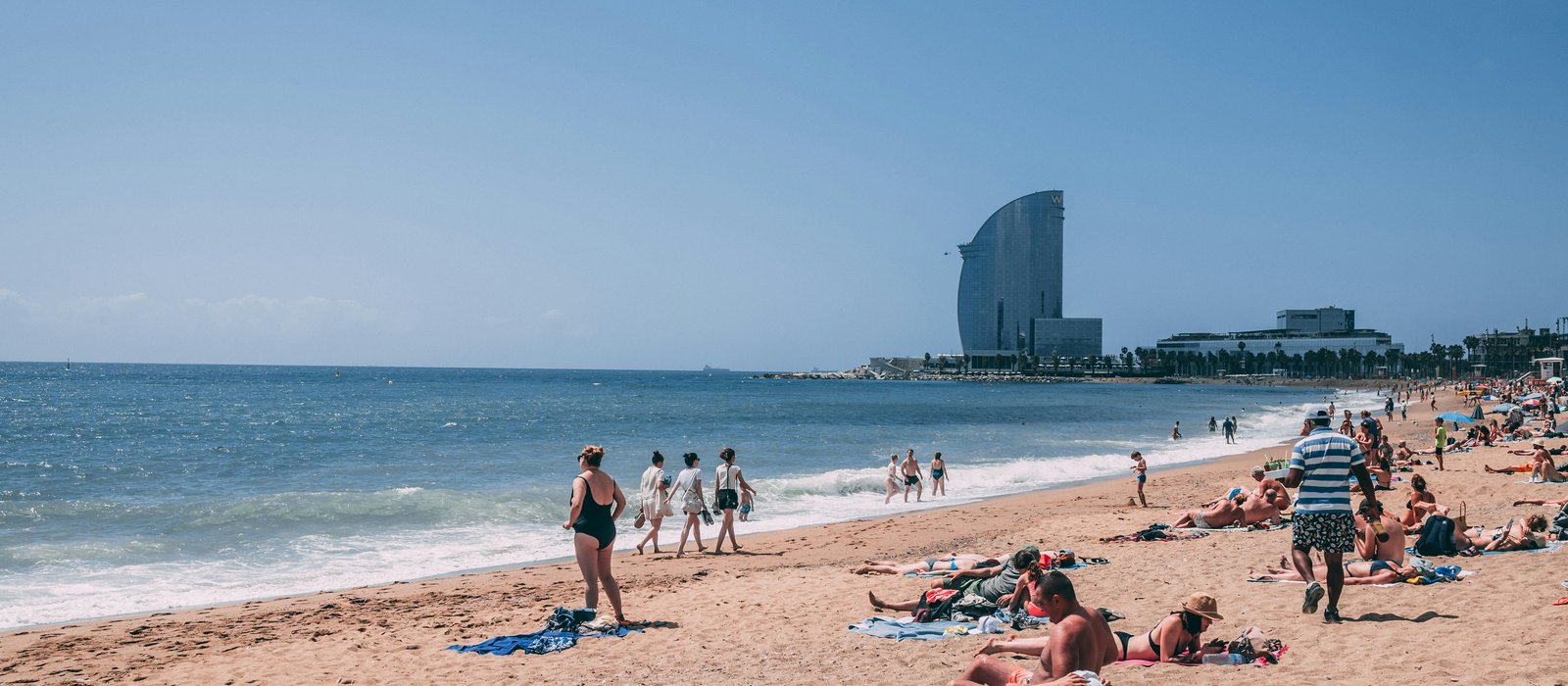
Barceloneta Beach is the city's most famous and most central stretch of sand — lively, accessible, and genuinely enjoyable for a swim and a sunbathe, with a wide promenade for strolling and a row of chiringuitos (beach bars). Set expectations correctly: it's a busy urban beach, packed in summer, not a secluded cove. It's great for the experience of city-beach life — a swim between sights, a sunset walk, a drink with your feet near the sand. The beaches get cleaner and calmer the further northeast you go (Bogatell, Nova Icària), so walk up the coast if Barceloneta's central stretch feels too crowded. One firm rule: never leave belongings unattended — beach theft is the neighborhood's signature petty crime.
The food — Barceloneta's glory
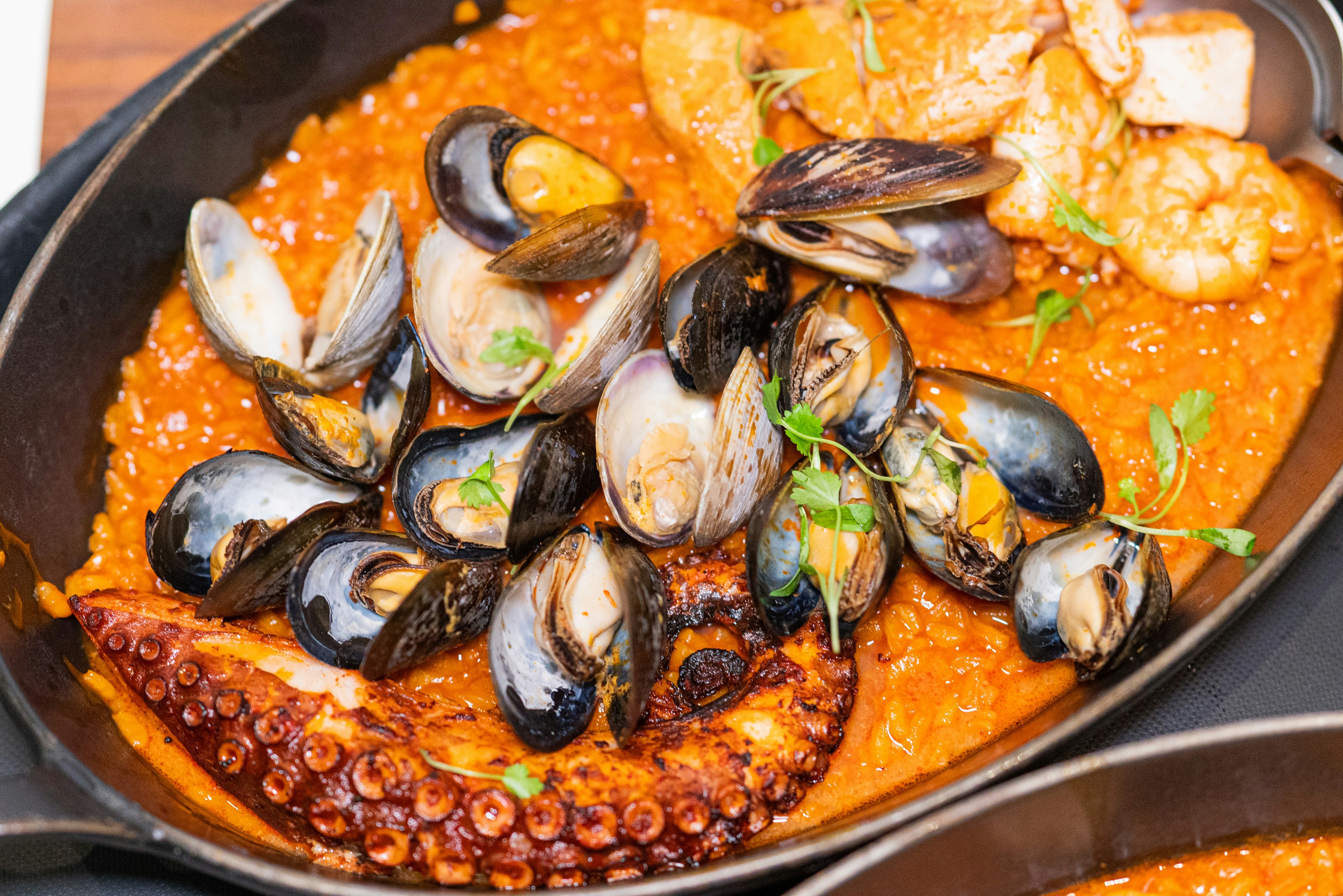
This is the place for seafood in Barcelona. Barceloneta is dense with seafood restaurants, from white-tablecloth institutions to hole-in-the-wall gems, specializing in the things you came to the Mediterranean to eat: paella and fideuà, fresh grilled fish, seafood tapas, and the local "bomba" (a fried potato-and-meat croquette said to have been invented here at La Cova Fumada). The rule is the same as everywhere touristy: skip the photo-menu places with hawkers out front on the boardwalk, and seek the spots where locals queue — often the unglamorous ones on the inner streets. A proper paella lunch by the sea, booked ahead at a respected spot rather than grabbed at a tourist trap, is a quintessential Barcelona experience.
What else to do
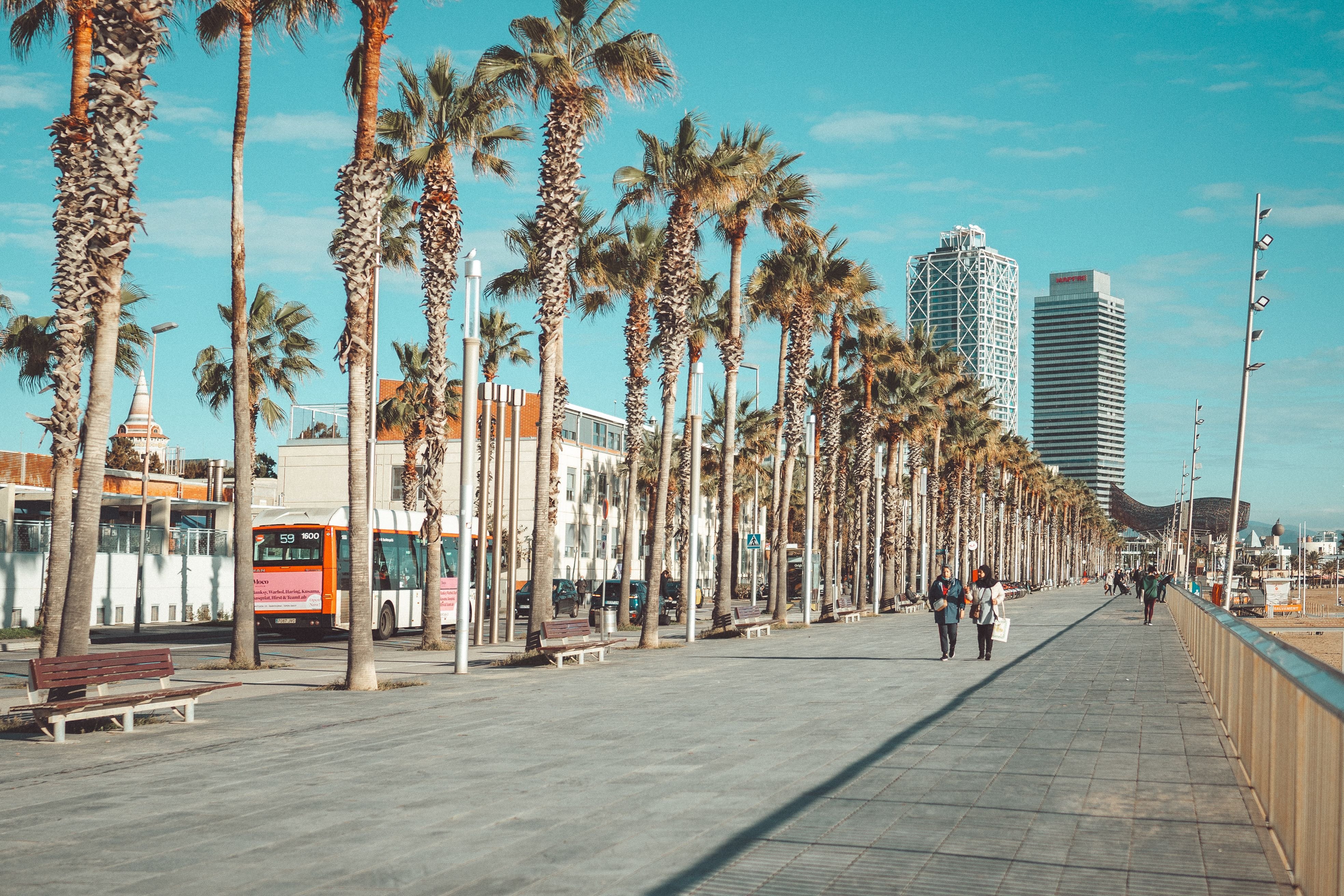
Walk the boardwalk (Passeig Marítim). The seafront promenade is a pleasure day or night, past the marina and up the coast.
See the landmarks from the sand. The sail-shaped W hotel and Frank Gehry's giant golden "Fish" sculpture anchor the waterfront skyline.
Visit the historic market. The Mercat de la Barceloneta is a smaller, local food market in the neighborhood's heart.
Take a boat trip or water sports. The port offers harbor cruises, sailing, and paddleboarding for a different view of the city.
Soak up the old-quarter streets. Wander the narrow lanes inland from the beach for the fishermen's-quarter atmosphere — laundry overhead, tiny bars, local life.
Who Barceloneta suits
Barceloneta is for beach-first travelers and seafood lovers who want the sea at their door. Staying here means sand and a swim steps away and the old city a short walk inland — wonderful in the right season. The honest trade-offs: rooms are small (those tight fishermen's blocks), summer brings serious noise and crowds (it's the epicenter of the beach party scene), and the central beach is at its most packed exactly when you'd most want it. For beach priority with more calm and space, Poblenou up the coast is the quieter alternative. (See our beach-hotels and where-to-stay guides for the comparison.)
When to go
For the beach scene, summer (June–September) is peak — warmest sea, liveliest atmosphere, biggest crowds. Late spring and early fall give you swimmable water with far more breathing room, arguably the sweet spot. Even in winter, the boardwalk and seafood are a draw, and the neighborhood is at its most local and calm. Whatever the season, come hungry, watch your belongings on the sand, and give yourself a long seafood lunch by the water — that's Barceloneta at its best.
A neighborhood with a story
Barceloneta's distinctive character comes straight from its history, and a little context makes a walk through it richer. It was built in the 1750s on reclaimed land to rehouse residents displaced when the Ciutadella fortress was constructed — a planned grid of deliberately small, narrow buildings for fishermen and dockworkers. Those tight blocks, originally one-story homes later built upward as families grew, are why the streets feel so intimate and why the rooms are so small today. For two centuries this was a hard-working maritime quarter, and beneath the beach-tourism gloss it still is one — you'll see laundry strung between balconies, old men playing dominoes, fishmongers and tiny bodegas serving locals who've been here for generations. The 1992 Olympics transformed the waterfront, opening up the beaches and promenade that draw visitors now, but Barceloneta has pushed back against over-tourism more vocally than most neighborhoods, protective of the community character that the crowds threaten. Visiting respectfully — supporting the old local spots, keeping the noise down in the residential lanes — is part of being a good guest here.
FAQ
What is Barceloneta known for?
Barcelona's most central beach, a buzzing seafront boardwalk, and the city's best concentration of seafood and paella restaurants, all wrapped in a historic fishermen's quarter of narrow streets with a salty, working-class soul.
Is Barceloneta beach worth visiting?
Yes for the city-beach experience — a central, lively stretch of sand great for a swim and a sunset walk. It's a busy urban beach, not a secluded cove; walk northeast to Bogatell or Nova Icària for cleaner, calmer sand.
Where should I eat in Barceloneta?
It's the place for seafood and paella in Barcelona. Skip the boardwalk photo-menu spots with hawkers and seek the places locals queue for, often on the inner streets — and book a respected paella spot ahead rather than grabbing a tourist-trap one.
Is Barceloneta a good place to stay?
Great for beach-first travelers — sand at your door, old city a short walk away. The trade-offs are small rooms, heavy summer noise and crowds, and the party scene. Poblenou up the coast is the calmer beach alternative.
Is Barceloneta beach safe?
Yes for personal safety, but beach theft is the signature petty crime — never leave belongings unattended on the sand, especially while swimming. Bring only what you'd be okay losing.