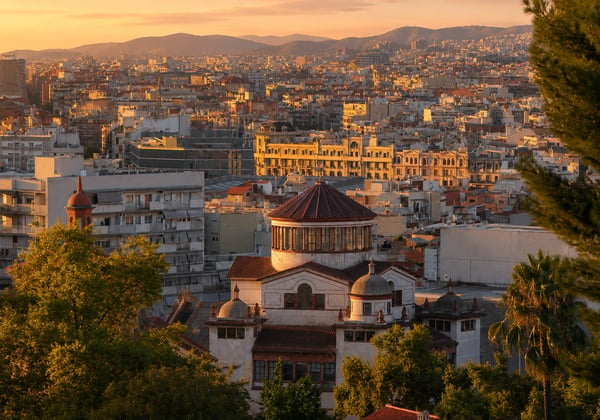
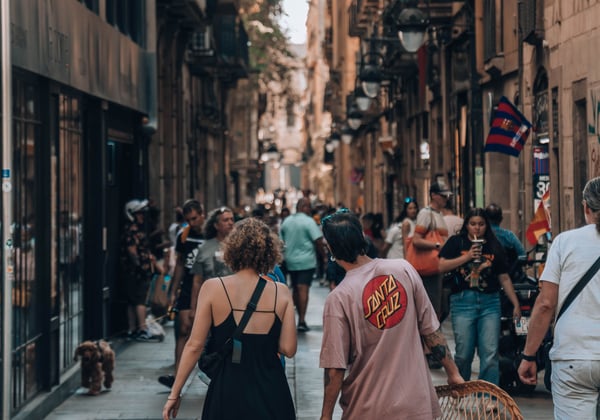
The Gothic Quarter — Barri Gòtic — is the 2,000-year-old heart of Barcelona, a labyrinth of narrow medieval lanes, hidden squares, and stone buildings layered with Roman, medieval, and modern history. It's the neighborhood most first-timers picture when they imagine "old Barcelona," and it rewards exactly one approach: getting lost in it on foot. This guide covers what to see, how to navigate it, when to go, and how to enjoy it without the two things that trip people up — the crowds and the pickpockets.
The Gothic Quarter — the lay of the land
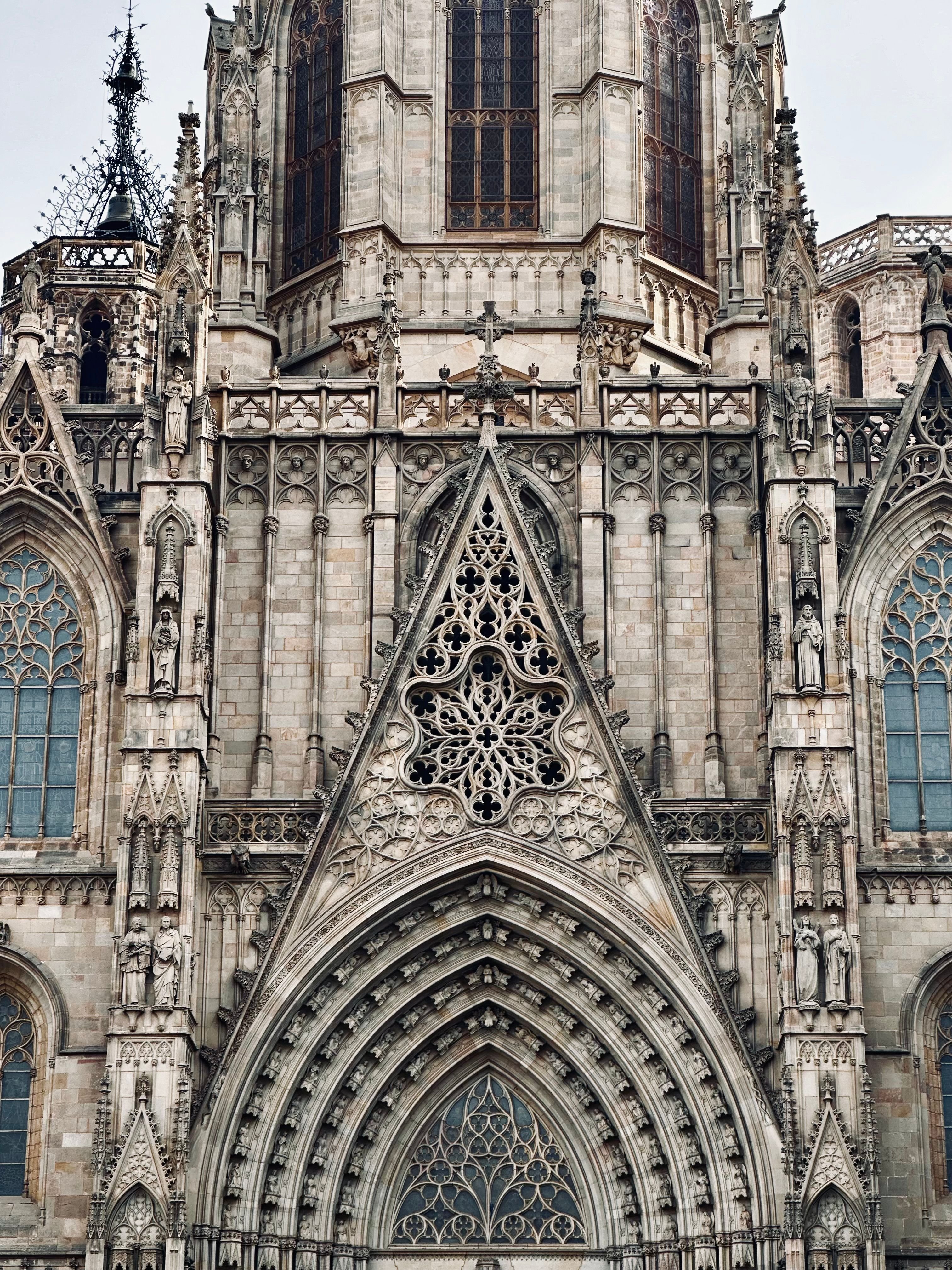
Barcelona Cathedral — Heart of the Gothic Quarter
Plaça Reial — Arcaded square just off La Rambla
La Rambla — The spine of the old city
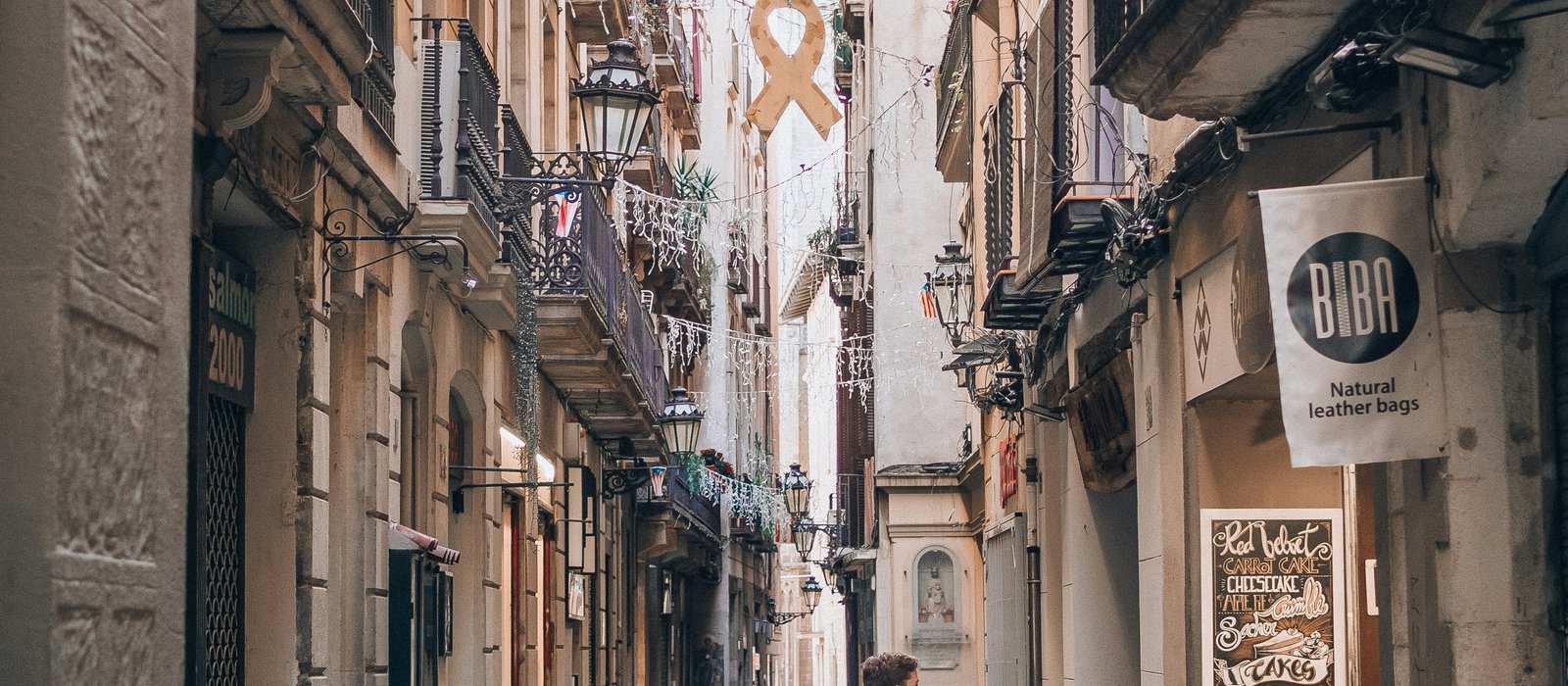
Gothic Quarter — The oldest core, on foot
The lay of the land
The Barri Gòtic is part of Ciutat Vella (the old city), bordered roughly by Las Ramblas to the west, Via Laietana to the east (across which lies El Born), the waterfront to the south, and Plaça de Catalunya to the north. It's small and entirely walkable — you can cross it in 15 minutes — but dense enough that you'll happily spend hours. The nearest metro stops are Jaume I (L4), Liceu (L3), and Catalunya (L1/L3). Once you're in, forget the metro: this is a place for feet.
What to see
Barcelona Cathedral (La Seu). The grand Gothic cathedral with its cloister of palm trees and resident geese; the rooftop offers views. Free to enter at certain hours, with a fee for the towers and choir.
Plaça Sant Felip Neri. A hidden, melancholy square with shrapnel-scarred walls from the Civil War — one of the city's most quietly moving spots, best early before tour groups find it.
Plaça Reial. A grand arcaded square with palm trees, restaurants, and lamp posts that were Gaudí's first commission; lively day and night.
Roman remains. The quarter sits on Roman Barcino — see the temple columns of Augustus tucked in a courtyard, and the ruins beneath the City History Museum (MUHBA).
The Jewish Quarter (El Call). A tiny warren of lanes that was the medieval Jewish heart of the city.
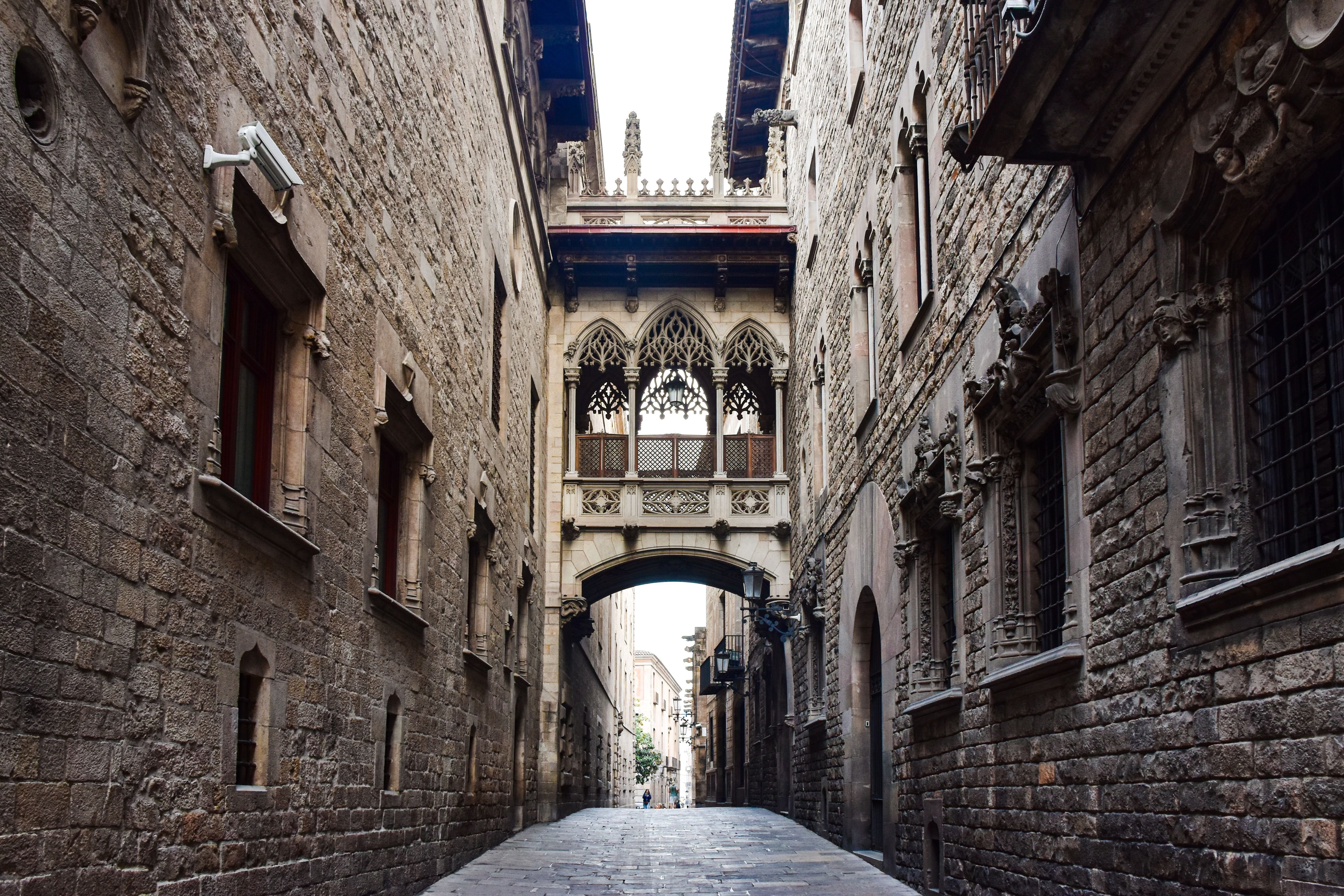
Pont del Bisbe. The neo-Gothic bridge over Carrer del Bisbe — the quarter's most photographed (and most crowded) spot.
How to experience it
The single best thing to do in the Gothic Quarter is to wander without a map. The joy is in the accidental discoveries — a tiny plaça with a guitarist, a centuries-old shop, a cathedral glimpsed at the end of an alley. Set a loose anchor or two (the cathedral, Plaça Reial) and let yourself drift between them. A guided walking tour early in your trip is genuinely worthwhile here, because the history is invisible without context — that unremarkable wall is Roman, that doorway is 14th-century — and a good guide turns the maze into a story.
Eating and drinking
The Gòtic has everything from tourist traps to genuine gems; the rule is to get off the main thoroughfares. Avoid the photo-menu restaurants on the busiest lanes and Las Ramblas; duck into the smaller streets for traditional bodegas, vermouth bars, and tapas spots where locals still go. The quarter is full of atmospheric old taverns — exactly the kind of place to order pa amb tomàquet and a vermut in a room that's been serving drinks for a century.
When to go
Timing transforms the experience. Early morning (before 10am) and dusk are magic — the stone glows, the light rakes through the lanes, and the crowds thin to almost nothing. Midday is the crush, when tour groups and day-trippers pack the main routes. If you're staying elsewhere, come at the edges of the day; if you can, see the cathedral square and Plaça Sant Felip Neri first thing, when they're nearly empty.
Staying in the Gothic Quarter
It's a romantic place to sleep — stepping out into medieval lanes, the cathedral at dawn — but go in with eyes open. The trade-offs: noise carries down the stone canyons at night, some hotels are reached by alleys that feel sketchy after dark even when they're safe, and this is prime pickpocket territory. Choose the quieter edges near the cathedral over the lanes right off Las Ramblas, and light sleepers should pack earplugs or pick a different barrio. (See our where-to-stay guide for the full neighborhood comparison.)
A note on safety
The Gothic Quarter's only real risk is pickpocketing, concentrated on the crowded main lanes and around the photo spots. It's non-violent and entirely preventable: keep bags zipped and in front, phone away when you're not actively using it, and stay alert in the crush around the Pont del Bisbe and the cathedral. Don't let it deter you — the quarter is one of Europe's great urban experiences, and a little vigilance is all it asks.
Pairing it with the rest of your trip
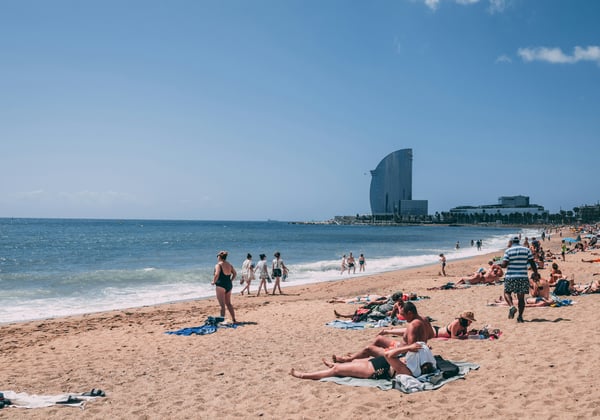
The Gothic Quarter rarely stands alone — it flows naturally into the rest of the old city. Cross Via Laietana to the east and you're in El Born in under ten minutes, making a combined old-city day the obvious move: cathedral and hidden squares in the Gòtic, then Santa Maria del Mar and the Picasso Museum in Born. Head south and you reach the waterfront and Barceloneta in fifteen minutes for a seafood lunch by the sea. To the west, Las Ramblas and La Boqueria market are right there. Because everything connects on foot, the Gòtic works best not as a scheduled "attraction" but as the historic core you keep passing through and ducking into across your trip — a different lane, a different square, each time. First-timers staying anywhere central will likely cross it daily without trying.
FAQ
What is the Gothic Quarter known for?
It's Barcelona's medieval old town — a maze of narrow stone lanes, hidden squares, the Gothic cathedral, Roman ruins, and atmospheric taverns. It's the city's most historic and atmospheric neighborhood, best explored on foot.
How much time do I need in the Gothic Quarter?
At least a half-day to wander the lanes, see the cathedral, and find the hidden squares; a full day if you add the history museum, a walking tour, and a long lunch. The area itself is small and walkable.
When is the best time to visit the Gothic Quarter?
Early morning before 10am and around dusk — the light is beautiful and the crowds thin out. Midday is the busiest, when tour groups pack the main routes.
Is the Gothic Quarter safe?
Yes — violent crime is rare. The real risk is pickpocketing in the crowded lanes and photo spots; keep bags zipped and in front and your phone away when not in use, and you'll be fine.
Should I stay in the Gothic Quarter?
It's atmospheric and central, ideal if you want medieval charm at your door. Be aware of night noise and pickpocket vigilance; choose quieter blocks near the cathedral over the busy lanes off Las Ramblas.