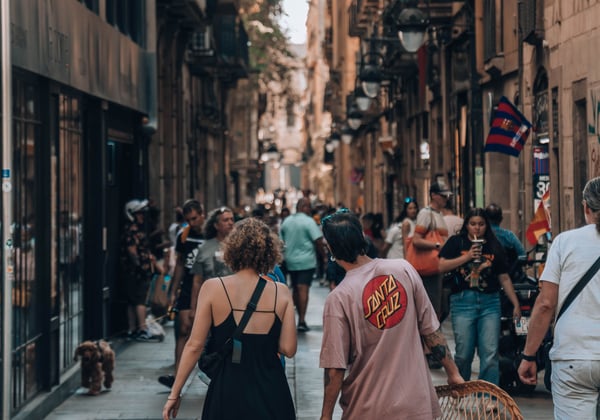
Poble-sec and Sant Antoni are the neighborhoods savvy travelers name when they want to eat and drink where Barcelona's locals actually do — two adjoining, un-touristy barrios that have become the heart of the city's contemporary food and bar scene. Poble-sec brings hilly, bohemian charm and the legendary pintxos street; Sant Antoni brings a magnificent market and a polished local-cool vibe. Together they make one of the best areas in the city for authentic eating and everyday life. Here's the guide.
Poble-sec & Sant Antoni, below the hill
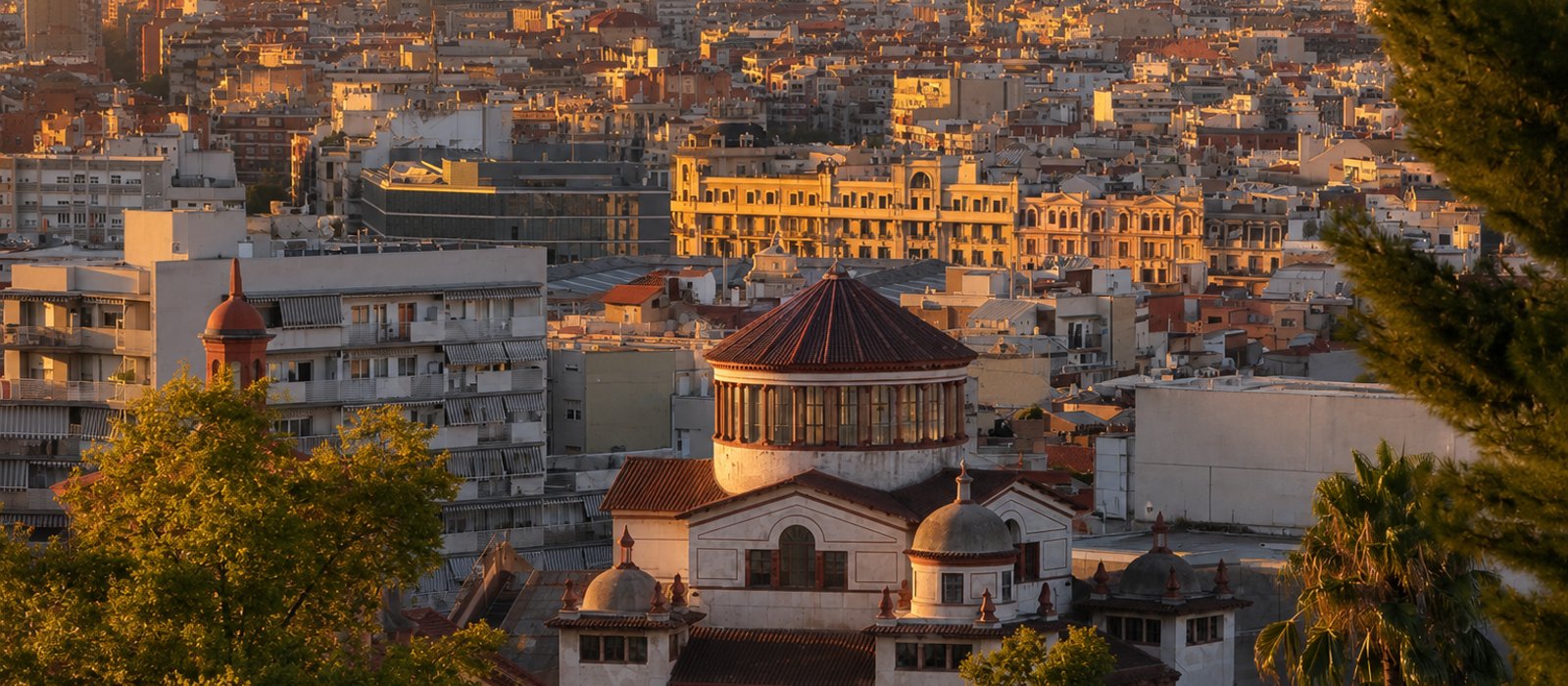
Poble-sec — Carrer Blai pintxos, below Montjuïc
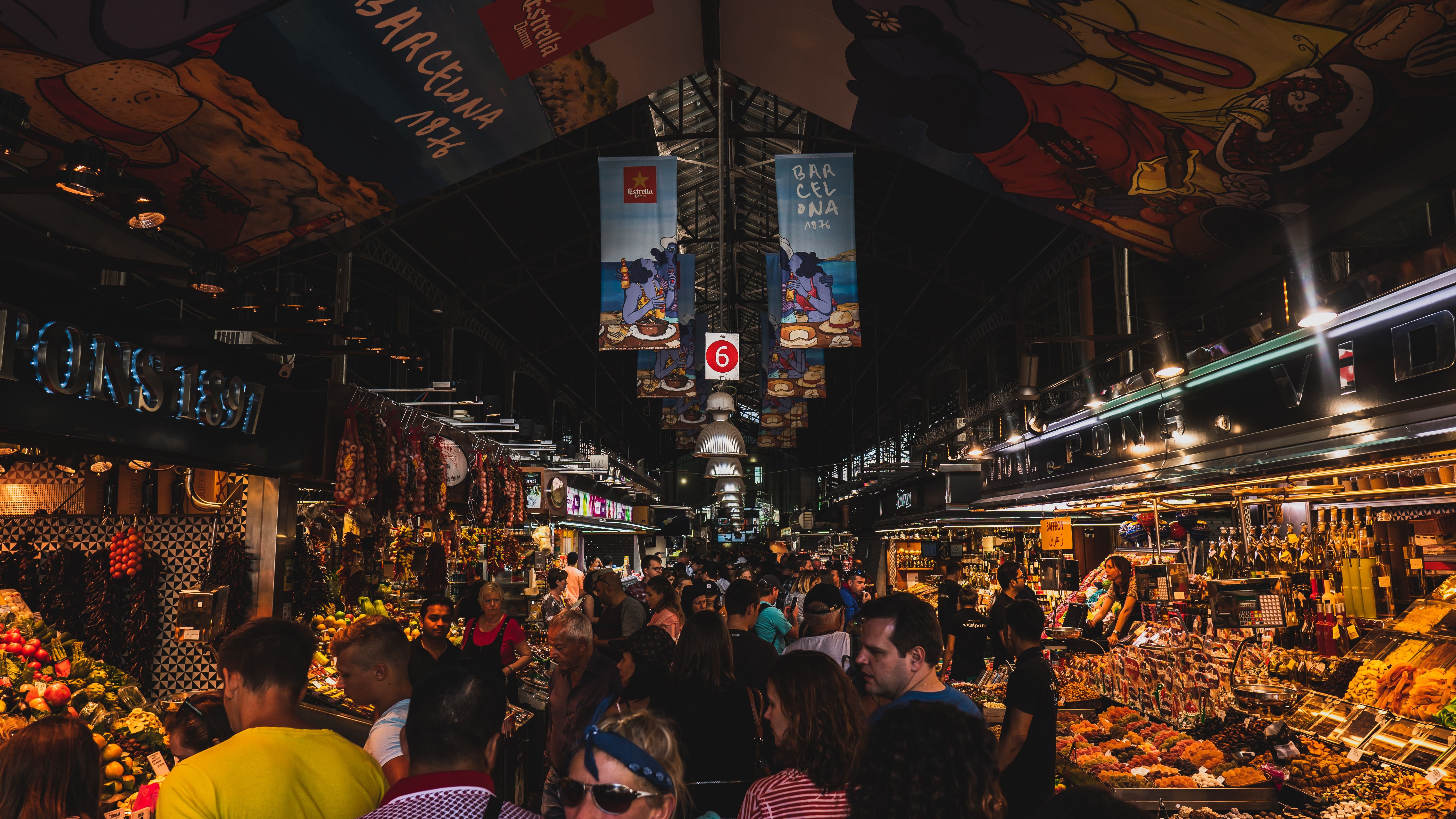
Sant Antoni — Market-anchored local food scene
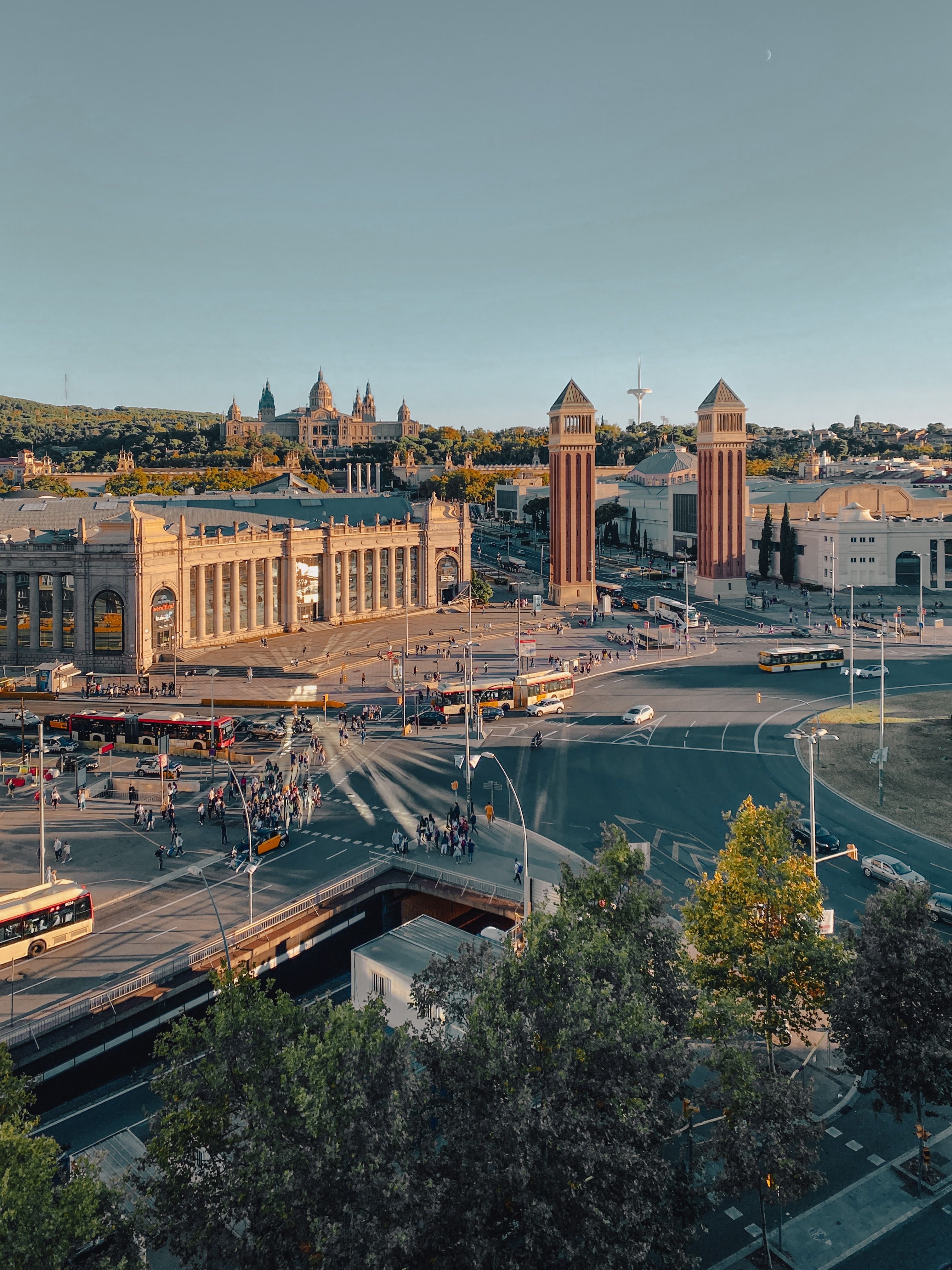
Montjuïc — Hill of museums, gardens & views
Where they are
The two sit side by side on the southwestern edge of the central city. Sant Antoni is technically part of the Eixample (its bottom-left corner), wedged between El Raval, Poble-sec, and the rest of the grid — a slower, more local stretch a few blocks off the tourist center. Poble-sec sits just below it in the Sants-Montjuïc district, a hilly, compact barrio running up toward Montjuïc, bordered by the broad Avinguda del Paral·lel (Barcelona's former theater "Broadway"). Metro stops Sant Antoni (L2), Poble Sec (L3), and Paral·lel (L2/L3) serve the area, a short hop or walk from the center.
Sant Antoni: the market and the local-cool vibe
Mercat de Sant Antoni. The neighborhood's heart — a magnificent 19th-century iron market hall, beautifully restored and reopened in 2018 after nearly a decade of renovation. A real local food market (not a tourist one), built atop remnants of the medieval walls.
The Sunday book market. Around the market's perimeter, a famous Sunday market for second-hand books, comics, and collectables (roughly 9am–2pm) — the rare market worth a Sunday visit.
The "hipster" food scene. Sant Antoni has become one of the city's trendiest eating areas — specialty coffee, brunch spots, vermouth bars, and modern restaurants, with a polished but still local feel.
Livable charm over blockbuster sights. There's no must-see monument here; the appeal is the market, the cafés, and the sense of real neighborhood life a few blocks from the noise.
Poble-sec: pintxos, bars, and bohemian hills
Carrer de Blai. The famous pedestrian pintxos street — lined with dozens of lively bars serving cheap pintxos (small bites on bread, pay by the toothpick). The classic Poble-sec crawl: hop bar to bar, a pintxo and a drink at each. One of the best-value, most fun eating experiences in the city.
Traditional and creative bars. Beyond Blai, Poble-sec mixes old-school vermouth bars and bodegas with some of Barcelona's most acclaimed modern tapas spots — a genuine food destination.
Hidden plaças. Quiet squares like Plaça del Sortidor where neighborhood life unfolds — kids playing, locals chatting in the shade.
Avinguda del Paral·lel. The historic theater-and-cabaret avenue, once Barcelona's entertainment "Broadway," still home to theaters and shows.
Gateway to Montjuïc. Poble-sec climbs toward the hill — the Paral·lel funicular up Montjuïc starts here, making it a natural base for a Montjuïc day.
How to experience the area
The quintessential plan is an evening tapas-and-pintxos crawl: start with a vermut in Sant Antoni, wander down to Carrer de Blai in Poble-sec, and work your way along the pintxos bars, a bite and a drink at each, following the busiest spots. Daytime, visit the Sant Antoni market (Sunday for the book market), have a long lunch or specialty coffee, and explore the quiet hillside streets toward Montjuïc. It's an area for eating, drinking, and soaking up real neighborhood life rather than ticking off sights — which is exactly why locals and in-the-know visitors love it.
How the area transformed
Part of what makes these two barrios interesting is how recently and how thoroughly they reinvented themselves. Poble-sec (the name means "dry village," after its long-ago lack of a water supply) was historically a dense working-class neighborhood at the foot of Montjuïc, tied to the theaters and cabarets of the Paral·lel and long known as a place for cheap drinks and honest, unpretentious bars. Over the past decade or so it has become one of the city's most talked-about food destinations — without losing its lived-in, slightly gritty character, which is exactly its charm. Sant Antoni, meanwhile, was a quietly residential corner of the Eixample whose fortunes turned with the long-awaited 2018 reopening of its restored market; the renovation catalyzed a wave of specialty coffee shops, vermouth bars, and modern restaurants, earning it a reputation as the city's "hipster" neighborhood while staying genuinely local. Both transformations share a pattern you see across modern Barcelona — working-class barrios becoming creative, food-forward destinations — and both have so far kept enough of their original character to feel real rather than manufactured. Catching them at this moment, authentic but buzzing, is a big part of the appeal.
Who it suits
This area is for travelers who prize authentic food and local atmosphere over proximity to monuments. You're a few blocks from the tourist center but a world away in feel — eating where Barcelonans eat, at better prices. It's an increasingly popular base too: central-ish, well-connected, full of great food, and far calmer than the old city. The trade-off is the short distance to the headline sights (an easy metro hop) and, in Poble-sec, some hilly walking. For food lovers especially, it's one of the most rewarding corners of Barcelona. (See our where-to-eat and where-to-stay guides for how it fits the bigger picture.)
FAQ
What are Poble-sec and Sant Antoni known for?
They're the heart of Barcelona's contemporary local food scene — Sant Antoni for its grand restored market (and Sunday book market) and trendy cafés, Poble-sec for Carrer de Blai's famous pintxos bars and traditional-meets-creative tapas spots. Authentic, un-touristy eating and drinking.
What is Carrer de Blai?
Poble-sec's famous pedestrian pintxos street, lined with dozens of lively bars serving cheap pintxos (small bites, pay by the toothpick). Hopping bar to bar along it is one of the best-value, most fun eating experiences in Barcelona.
Is Sant Antoni worth visiting?
Yes, especially for the magnificent restored Sant Antoni market (a real local food market), the Sunday book and collectables market, and the trendy-but-local café and bar scene. It's about livable charm rather than big sights.
Are these good neighborhoods to stay in?
Increasingly popular — central-ish, well-connected by metro, packed with great food, and much calmer than the old city. The trade-offs are a short metro hop to the headline sights and some hilly walking in Poble-sec.
How do I get to Poble-sec and Sant Antoni?
Metro stops Sant Antoni (L2), Poble Sec (L3), and Paral·lel (L2/L3) serve the area, a short ride or walk from the center. The Paral·lel funicular up Montjuïc also starts here.