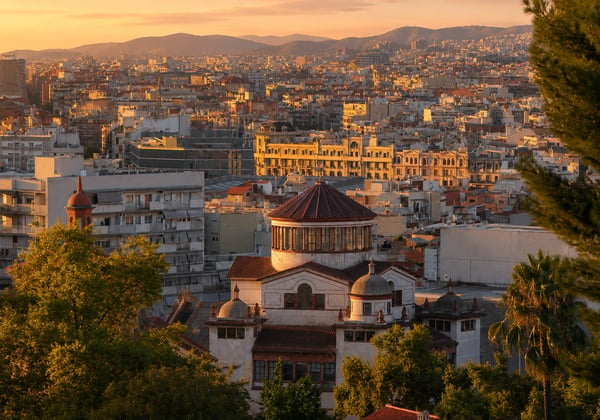
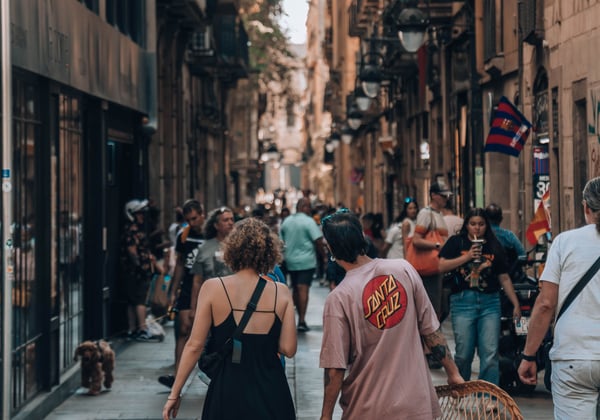
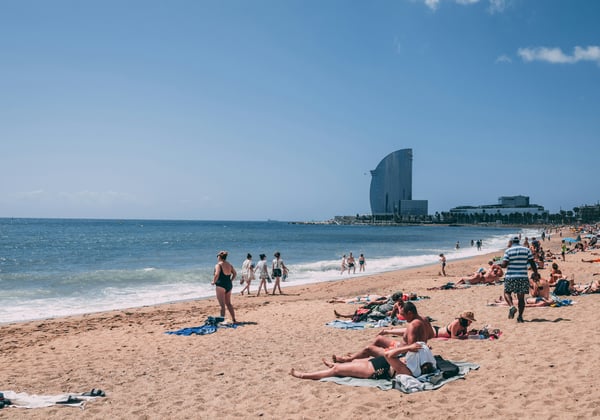
The Eixample (pronounced "eh-SHAM-pluh") is the elegant grid that makes up much of central Barcelona — the wide, orderly expansion built in the 19th century when the city burst its medieval walls. It's where you'll find the Gaudí houses, the best shopping, the deepest hotel stock, and a calm, livable grandeur that makes it the default first-timer base. This guide explains how the Eixample works, what to see, and why its distinctive layout is itself one of Barcelona's great achievements.
The Eixample grid and its Gaudí anchors
Casa Batlló — Passeig de Gràcia
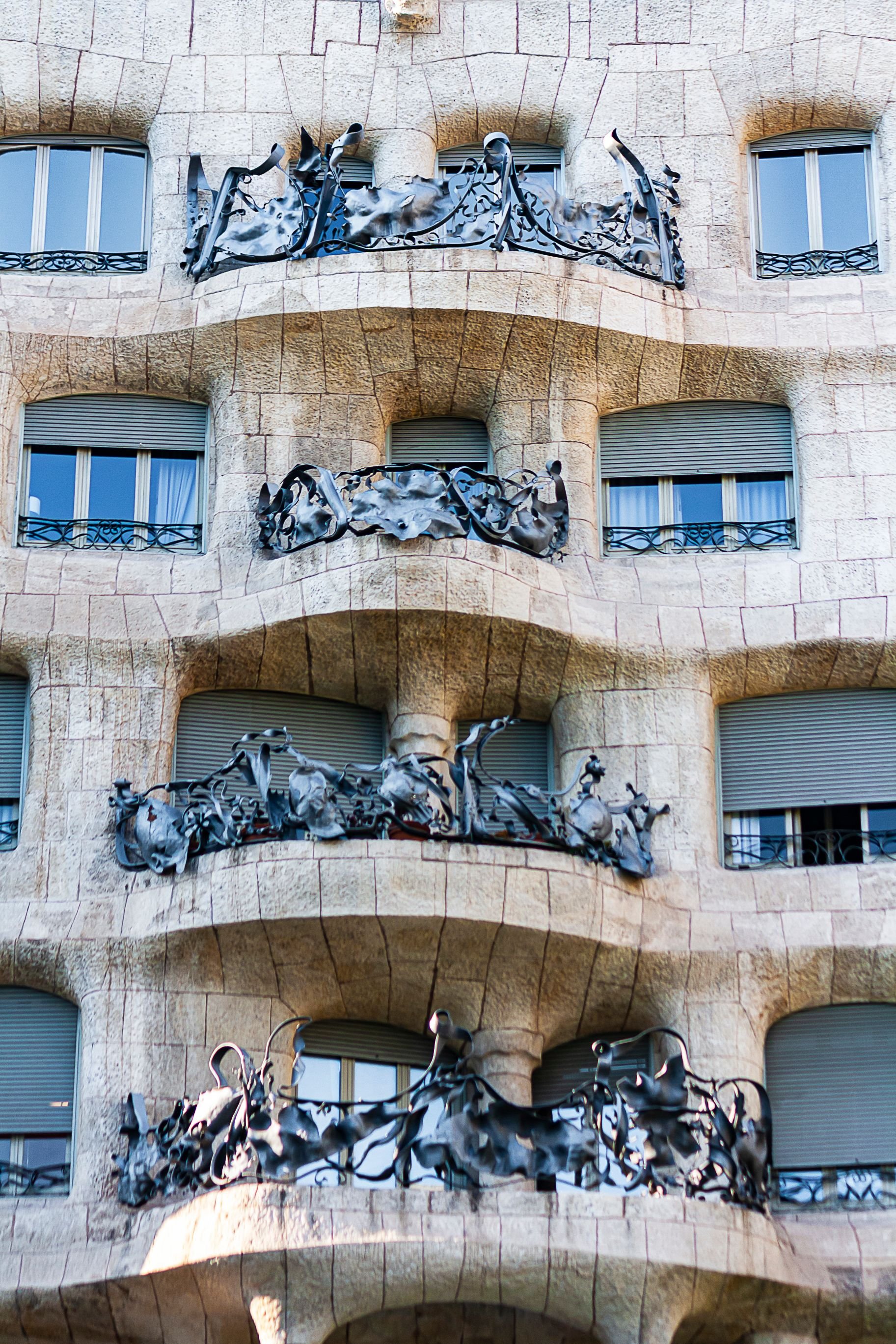
La Pedrera (Casa Milà) — The rooftop is the point
Sagrada Família — Timed entry — books out weeks ahead
Pg. de Gràcia (station) — Central rail/metro interchange
Understanding the grid
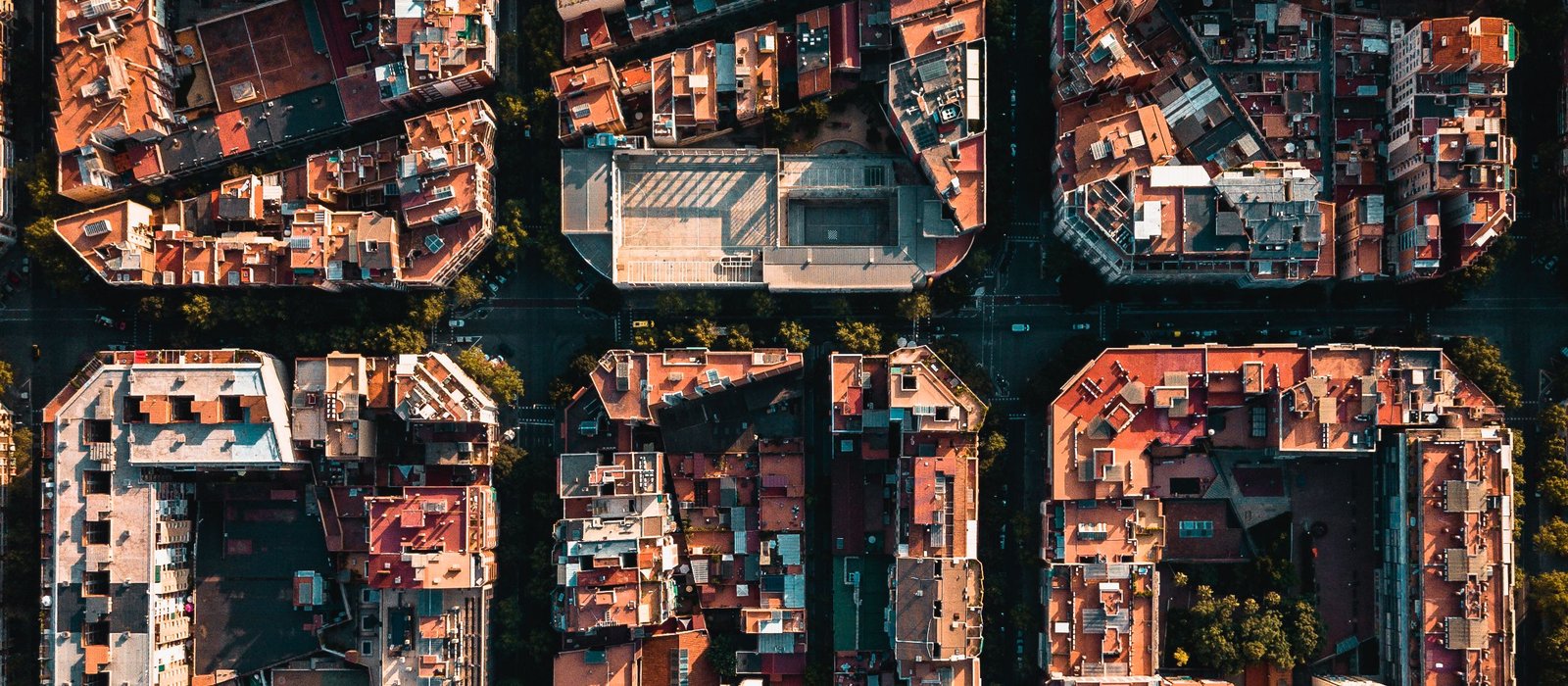
The Eixample (Catalan for "expansion") was designed by Ildefons Cerdà in the 1860s as a radical, egalitarian vision: a uniform grid of square blocks with distinctive chamfered (cut-off) corners that create little octagonal plazas at every intersection, improving sightlines and light. The result is wide, bright, and walkable, if deceptively large — those long straight avenues stretch further than they look, so it's a neighborhood where you'll want the metro for crossing distances even though it's pleasant on foot. It splits into the Dreta (right, more upscale, where the marquee sights are) and the Esquerra (left, more residential and local).
What to see
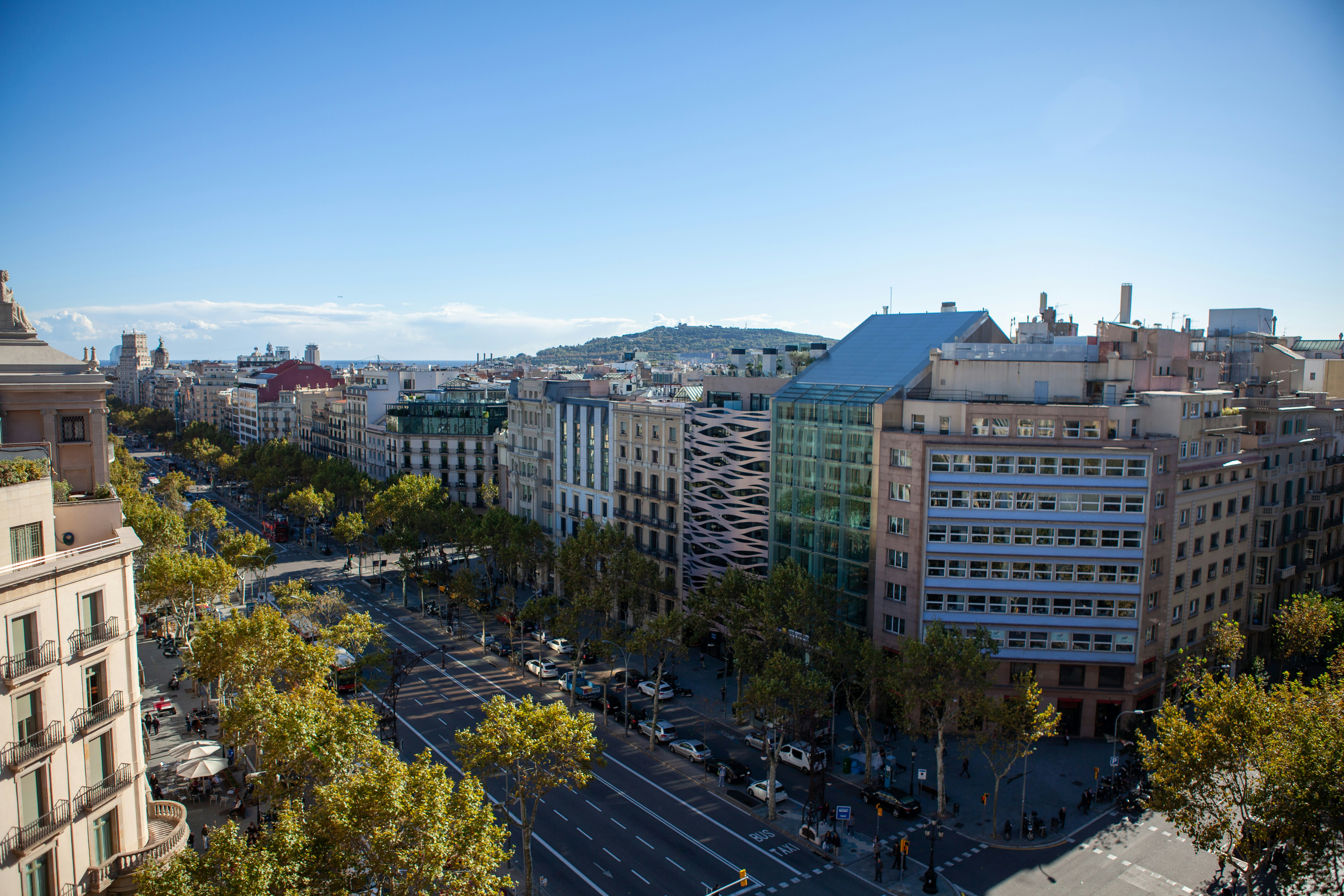
Passeig de Gràcia. The grand boulevard and the Eixample's showpiece — luxury shopping plus the two great Gaudí houses, Casa Batlló and Casa Milà (La Pedrera), within a few blocks of each other.
Sagrada Família. Gaudí's basilica sits in the Eixample's eastern reaches — the city's unmissable sight (book timed tickets well ahead).
The Modernisme architecture. Beyond the headline houses, the whole district is an open-air museum of early-20th-century Catalan Modernism — the "Block of Discord" on Passeig de Gràcia gathers competing masterpieces side by side.
Hospital de Sant Pau. Domènech i Montaner's tiled pavilion complex near the Sagrada Família — a UNESCO Modernisme gem most visitors skip, and all the better for it.
Mercat de la Concepció. A lovely, less-touristed local market for a glimpse of everyday Eixample life.
Eating, drinking, and shopping
The Eixample's dining ranges from destination restaurants to neighborhood gems, with a particularly strong scene in the Esquerra and toward Sant Antoni on its lower edge, where locals eat well for less. It's also Barcelona's shopping heart: Passeig de Gràcia for luxury and international flagships, Rambla de Catalunya for a more relaxed mix, and side streets for independents. The neighborhood is also the center of the city's LGBTQ+ scene — the "Gaixample" around the Esquerra — with a lively bar and nightlife cluster.
Who the Eixample suits
This is the first-timer default, and deservedly so: central, safe-feeling, beautifully walkable, with Gaudí at the door and the widest range of hotels in the city. It trades the medieval romance of the old city for a handsome, orderly grandeur — handsome rather than quaint. It suits travelers who want convenience, comfort, and the major sights within reach, and families who appreciate the wide sidewalks and calm nights. Those craving labyrinthine atmosphere should look to the Gòtic or El Born instead. (See our where-to-stay guide for the full comparison.)
Navigating like a local
Addresses make sense. The grid is logical — once you orient to the sea (downhill) versus the mountain (uphill), you won't get lost.
Distances deceive. Blocks are long; "ten blocks away" is a real walk. Use the metro (lines L2, L3, L4, L5 all serve it) for crossing town.
The chamfered corners are great for orienting and for café terraces — those octagonal junctions are social spaces.
Sant Antoni and the Esquerra reward wandering off the Passeig de Gràcia tourist spine for better-value food and local life.
How to spend time here
Most visitors experience the Eixample in pieces — a Gaudí-house morning on Passeig de Gràcia, a Sagrada Família visit, a shopping afternoon — rather than as a single block of time, and that's the right approach. To feel the neighborhood beyond the sights, spend an unhurried hour on a chamfered-corner terrace, walk Rambla de Catalunya, and have dinner in the Esquerra where the tourists thin out. Staying here, you'll pass through it daily anyway — it's the connective tissue of a Barcelona trip.
A neighborhood designed ahead of its time
It's worth appreciating what makes the Eixample quietly remarkable. When Cerdà designed it in the 1860s, his vision was radical and egalitarian: blocks were meant to be built on only two sides with gardens and communal space in the middle, light and air distributed equally, classes mixed rather than segregated. Speculation eroded much of that ideal — courtyards got built over, blocks filled in — but the bones of the utopian plan survive in the grid's generous proportions, and a movement to reclaim interior courtyards and pedestrianize "superblocks" is slowly bringing pieces of Cerdà's vision back. Walking the Eixample, you're moving through one of the 19th century's boldest experiments in how a city should work — and one that, in its walkability and light, still feels strikingly modern. For a visitor it simply reads as a pleasant, orderly place to stay; knowing the idealism behind the grid adds a layer to every chamfered corner.
FAQ
What is the Eixample known for?
Its distinctive 19th-century grid with chamfered corners, the Gaudí houses on Passeig de Gràcia (Casa Batlló and La Pedrera), the Sagrada Família, the city's best shopping, and a wealth of Modernisme architecture.
Is the Eixample a good place to stay?
It's the first-timer default — central, safe-feeling, beautifully walkable, with Gaudí at the door and the widest hotel selection in Barcelona. It's handsome and orderly rather than quaint; choose the old city if you want medieval atmosphere.
How do you pronounce Eixample?
Roughly "eh-SHAM-pluh." It's Catalan for "expansion," referring to the 1860s grid built when the city expanded beyond its medieval walls.
Is the Eixample walkable?
Very, but deceptively large — the long straight avenues stretch further than they look, so use the metro for crossing distances. The grid is logical and easy to navigate once you orient to the sea-versus-mountain direction.
What's the difference between the Dreta and Esquerra?
The Dreta (right) is more upscale and holds the marquee sights and luxury shopping; the Esquerra (left) is more residential and local, with better-value dining and the heart of the city's LGBTQ+ scene.