Poblenou is Barcelona's quiet revelation — a former industrial district turned creative-and-tech neighborhood, with a relaxed beachside pace, a leafy rambla of its own, street art, independent shops, and some of the best local eating in the city, all delightfully free of tourist crowds. It's where you go to feel like a resident rather than a visitor: the calmer alternative to Barceloneta for the beach, and a window into the city's modern, post-industrial reinvention. Here's the guide.
Poblenou and its beaches
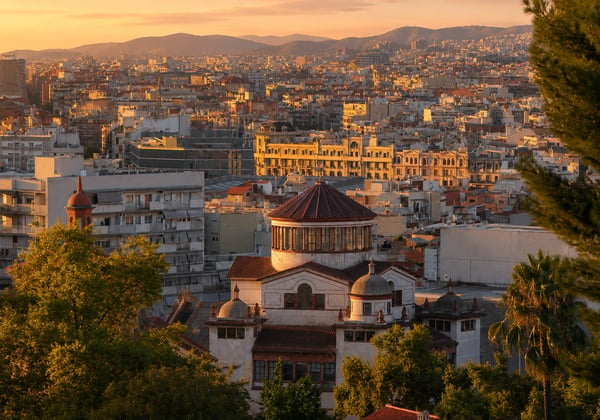
Poblenou — Creative district behind the beaches
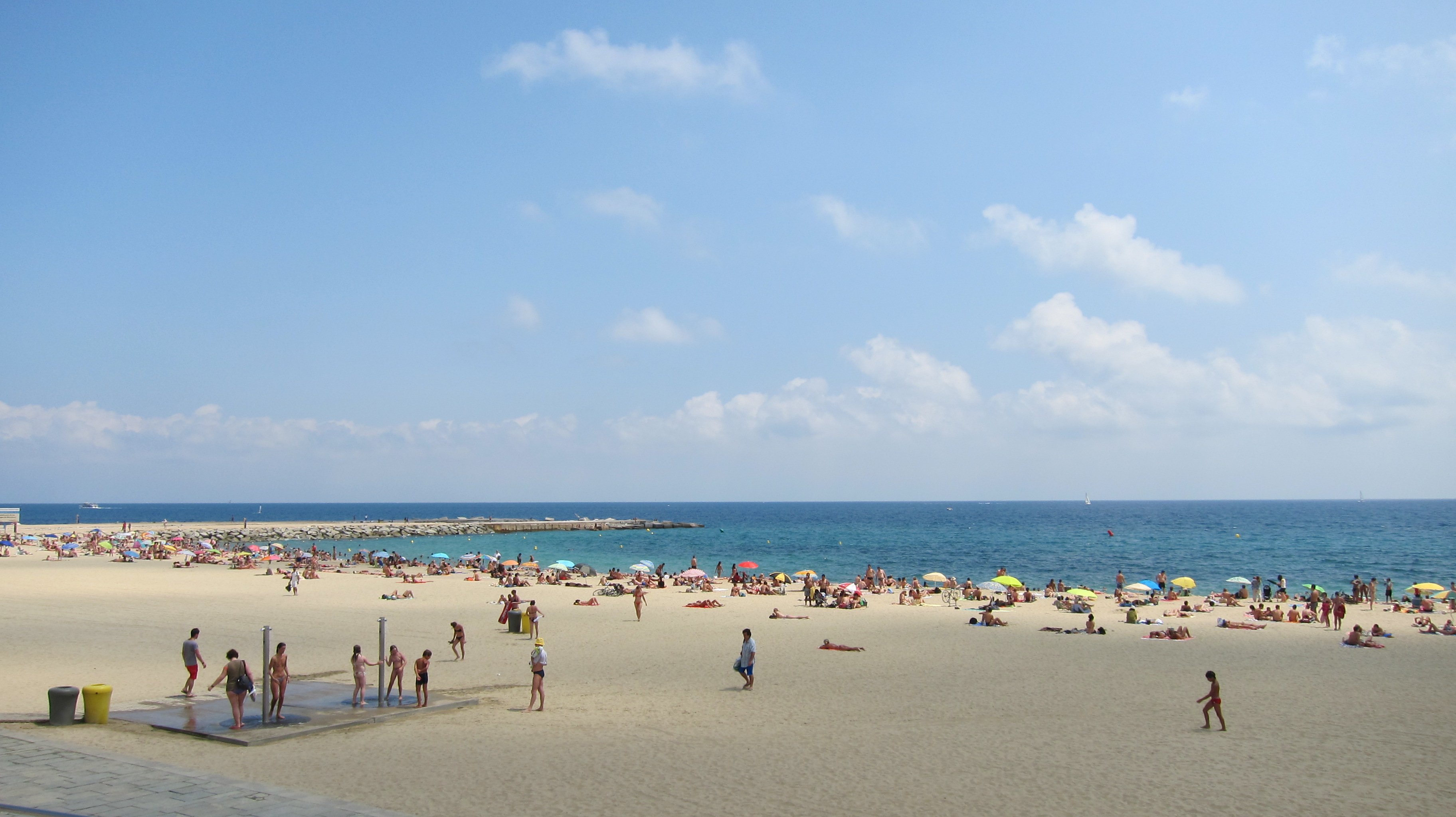
Bogatell Beach — Cleaner, calmer, more local
Nova Icària Beach — Family-friendly stretch
Where Poblenou is and what it was
Poblenou sits northeast along the coast, past the Olympic Port, in the Sant Martí district — a flat, grid-pattern neighborhood between the Eixample and the sea. Its story is the key to its character: this was the industrial heart of 19th-century Barcelona, the "Catalan Manchester," packed with factories and workers. As industry left, the area was reborn — partly through the city's 22@ ("vint-i-dos arrobes") tech-and-innovation district initiative, which turned old factories into offices, startups, universities, and lofts, and partly through an organic influx of artists and creatives drawn to the cheap industrial spaces. The result is a fascinating mix: converted warehouses, modern towers, surviving old factory chimneys, street art, and a genuine neighborhood feel. Metro lines L4 (Poblenou, Llacuna, Selva de Mar) and the tram serve it, a short ride up the coast from the center.
What to do
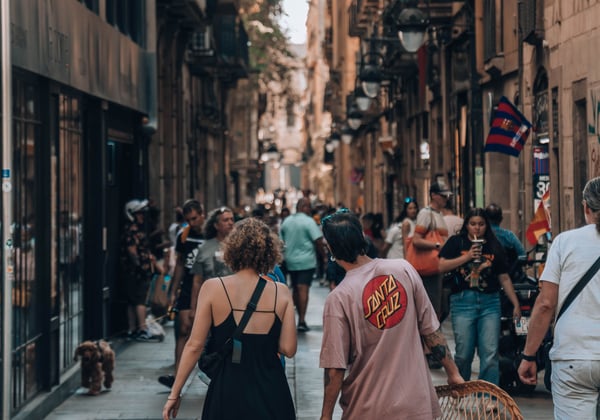
Rambla del Poblenou. The neighborhood's own tree-lined promenade — a local, low-key version of Las Ramblas running down toward the sea, lined with cafés, terraces, and shops. The spine of the barrio and the best place to feel its rhythm.
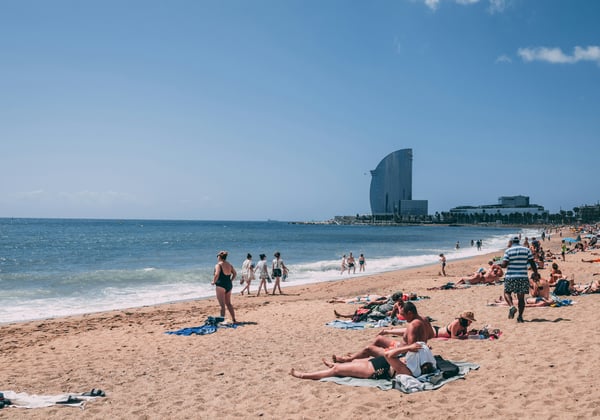
The beaches. Poblenou's beaches (Bogatell, Mar Bella, Nova Mar Bella) are the calmer, cleaner, more local stretches of Barcelona's coast — the quiet alternative to crowded Barceloneta, just a short walk from the neighborhood.
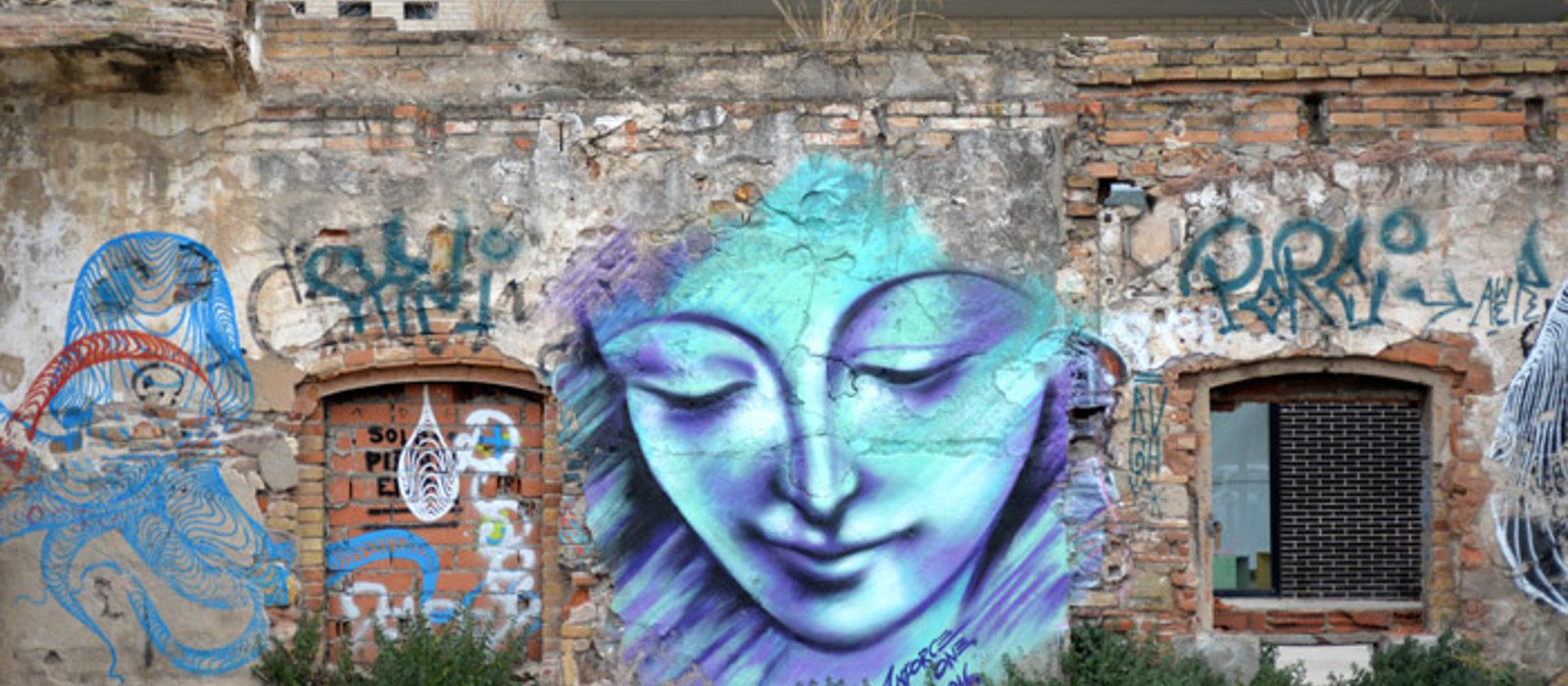
Street art and architecture. Poblenou is one of the city's street-art hubs, with murals throughout, plus the striking contrast of preserved industrial heritage (old factory chimneys, the converted warehouses) against sleek 22@ towers.
Independent shops and creative spaces. Design studios, artist collectives, concept stores, and workshops fill the old industrial buildings — great for browsing and for a sense of the area's creative energy.
Parc del Centre del Poblenou and other green spaces give the neighborhood room to breathe.
Eating and drinking — a local strength
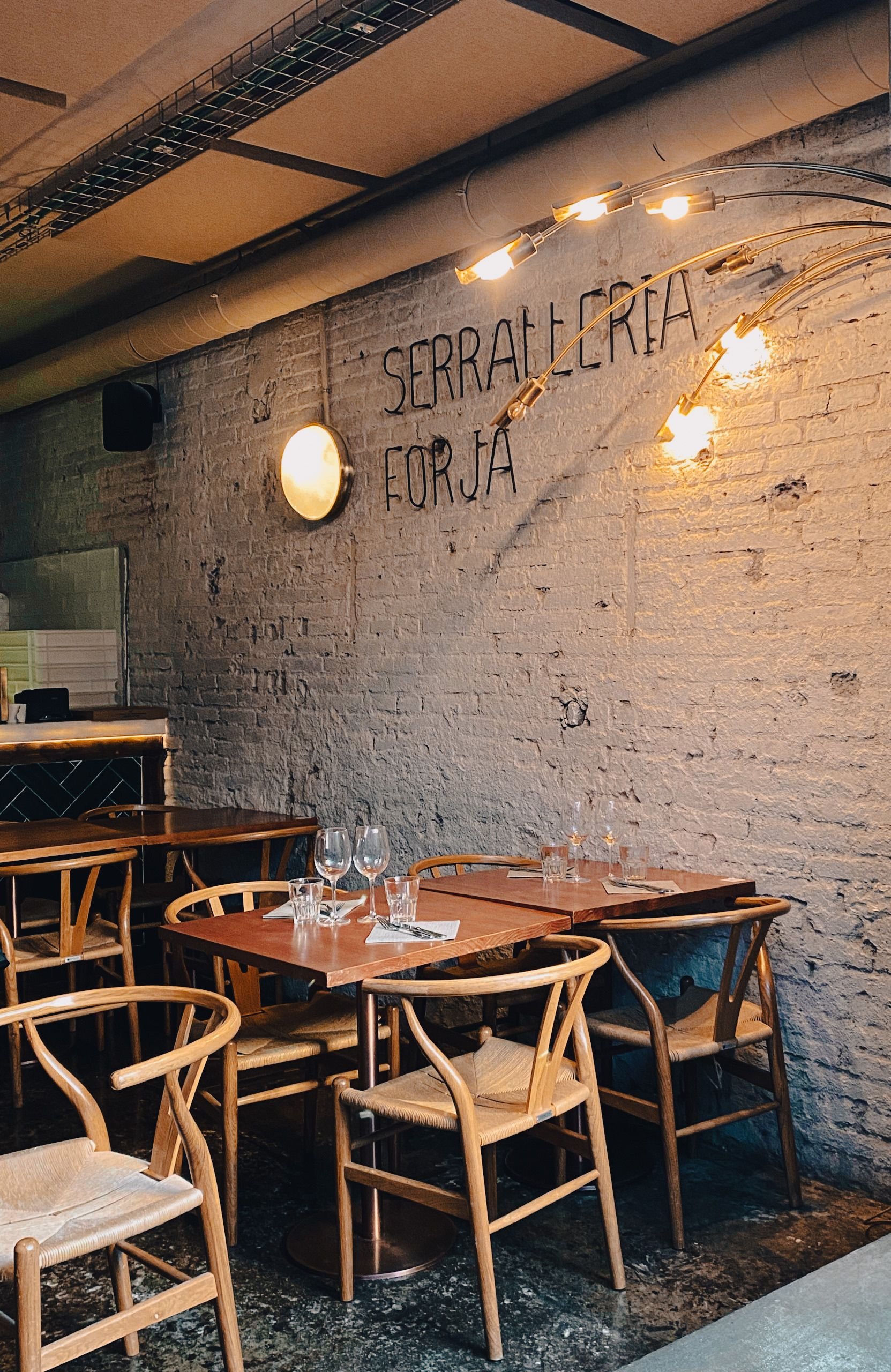
Poblenou eats very well and very locally. It's known for its breakfast and brunch culture, specialty coffee, creative restaurants, craft beer, and bars with character — the kind of places that serve the neighborhood's residents and creative workers rather than tourists. The area around the Rambla del Poblenou and the converted industrial streets is dense with quality spots, generally cheaper and more relaxed than the tourist center. For travelers tired of the same old-city circuit, it's a delicious, low-key change of scene — and a great spot for an unhurried meal after a morning on the quieter beaches.
Who Poblenou suits
Poblenou is for travelers who want the beach and local life over proximity to monuments — a calmer, more residential base with the sea close by, excellent food, and a creative edge. It particularly suits beach-first visitors who find Barceloneta too crowded, longer-stay and returning travelers, digital nomads (the 22@ district and café culture cater to remote work), and anyone curious about the city's modern reinvention. The trade-off is distance: you're a metro ride from the headline sights rather than walking to them, and the neighborhood is more about atmosphere than attractions. But for that resident-not-tourist feeling with the beach at hand, it's hard to beat. (See our beaches and where-to-stay guides for context.)
A glimpse of Barcelona's future
Poblenou is worth understanding as a kind of experiment in what Barcelona wants to become. The 22@ district initiative, launched around 2000, deliberately set out to transform 200 hectares of obsolete industrial land into a hub for technology, design, media, and research — keeping selected old factory buildings as protected heritage while inserting modern offices, universities, and housing. The results are genuinely mixed and visible on every block: gleaming tech offices beside crumbling warehouses, startups next to surviving working-class residents, and an ongoing tension between regeneration and gentrification that mirrors the city's wider debates about who its neighborhoods are for. For a visitor, this makes Poblenou one of the most texturally interesting parts of the city — neither a preserved old quarter nor a generic modern district, but a place actively negotiating between its industrial past and a designed future. It also explains the neighborhood's distinctive feel: the creative-class cafés and co-working spaces, the artist studios in old factories, the street art, and the relative absence of tourists, who haven't yet "discovered" it the way they have the old city. Seeing Poblenou now is glimpsing the Barcelona that planners and residents are still arguing into existence.
How to experience it
Give Poblenou a relaxed half-day or use it as a calmer base. The ideal rhythm: a leisurely breakfast or brunch (a neighborhood specialty), a wander down the Rambla del Poblenou and through the street-art-dotted industrial streets, a few hours on the quieter Bogatell or Mar Bella beaches, and a local lunch or drink to finish. It pairs naturally with the beach (it's the same coastline as Barceloneta, just calmer) and makes a refreshing contrast to a tourist-heavy day in the old city. Come here to slow down, eat well, and see the Barcelona that's busy reinventing itself.
FAQ
What is Poblenou known for?
A former industrial district ("Catalan Manchester") reborn as a creative-and-tech neighborhood — the 22@ innovation district, street art, converted factories, independent shops, excellent local food and coffee, its own leafy rambla, and the calmer, cleaner beaches just up the coast from Barceloneta.
Is Poblenou worth visiting?
Yes, for travelers who want local life and a relaxed beach over monuments — great food and coffee, street art, a low-key rambla, and quieter beaches, all free of tourist crowds. It's about atmosphere rather than big attractions.
Are Poblenou's beaches better than Barceloneta?
They're calmer, cleaner, and more local — Bogatell, Mar Bella, and Nova Mar Bella are the quieter alternative to crowded central Barceloneta, on the same coastline just a short walk from the neighborhood.
Is Poblenou a good place to stay?
Good for beach-first travelers, longer stays, returning visitors, and digital nomads who want a calmer, residential base with the sea and great food close by. The trade-off is a metro ride to the headline sights rather than walking to them.
How do I get to Poblenou?
Metro L4 (Poblenou, Llacuna, Selva de Mar stops) and the tram serve it, a short ride up the coast from the center. It's flat and walkable once you're there.