Let's address the question honestly, because Barcelona has a reputation and it deserves an accurate answer: Barcelona is a very safe city for tourists when it comes to violent crime — and a genuine world capital of pickpocketing. That's the whole story in one sentence. You're highly unlikely to be hurt here; you're meaningfully likely to be relieved of your phone or wallet if you're careless. This guide tells you exactly where the risk is, the specific scams in play, and the simple habits that make you a hard target.
The honest safety picture
Violent crime against tourists is rare in Barcelona. People walk the central neighborhoods late at night without incident; solo travelers, including women, generally feel comfortable. What Barcelona has instead is exceptionally skilled, non-violent property crime — pickpockets and bag-snatchers who are fast, professional, and rarely confront you directly. The right mindset isn't fear; it's the same alertness you'd bring to any big city, dialed up one notch for pickpockets specifically. Get that one thing right and Barcelona is a delight.
Where pickpocketing actually happens
The risk is concentrated in predictable places — knowing them is half the defense:
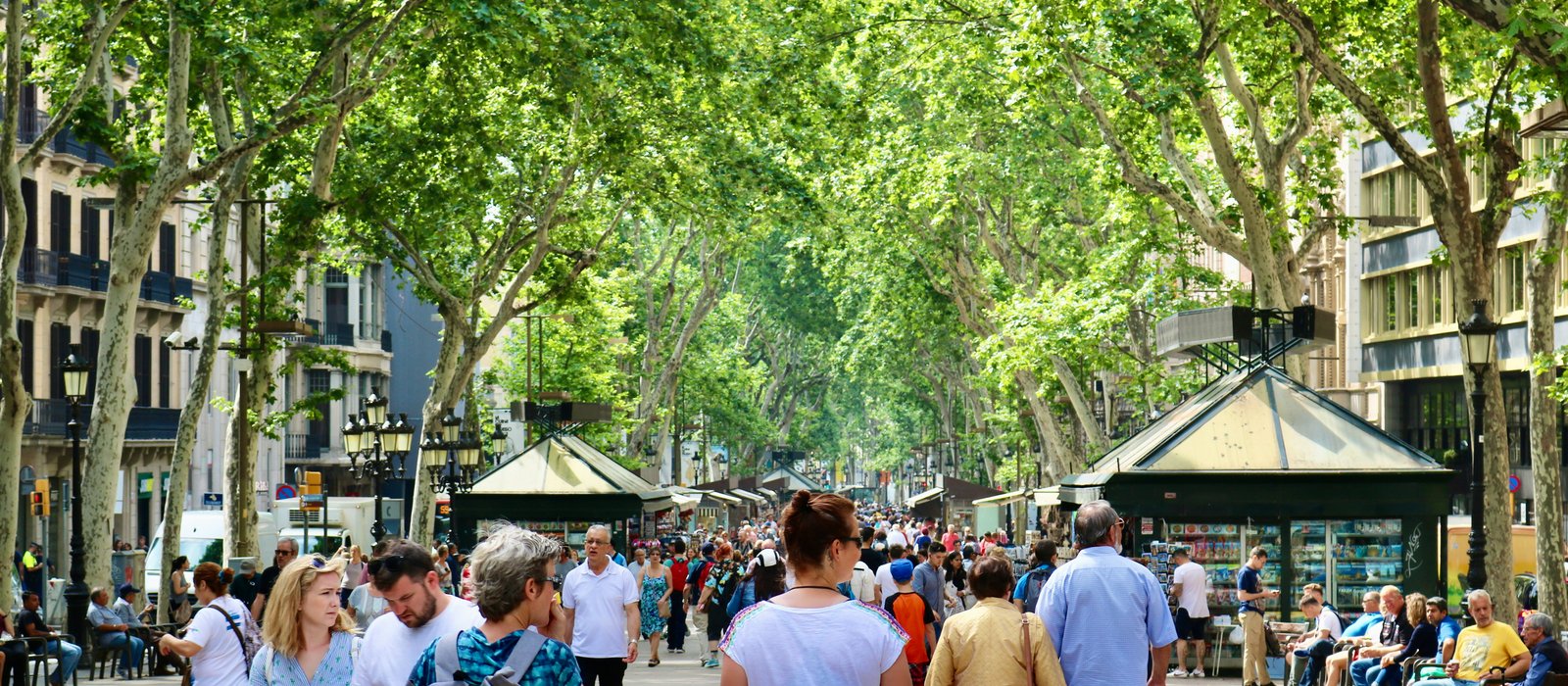
Las Ramblas — the single most notorious stretch; crowded, distracting, worked by professionals.
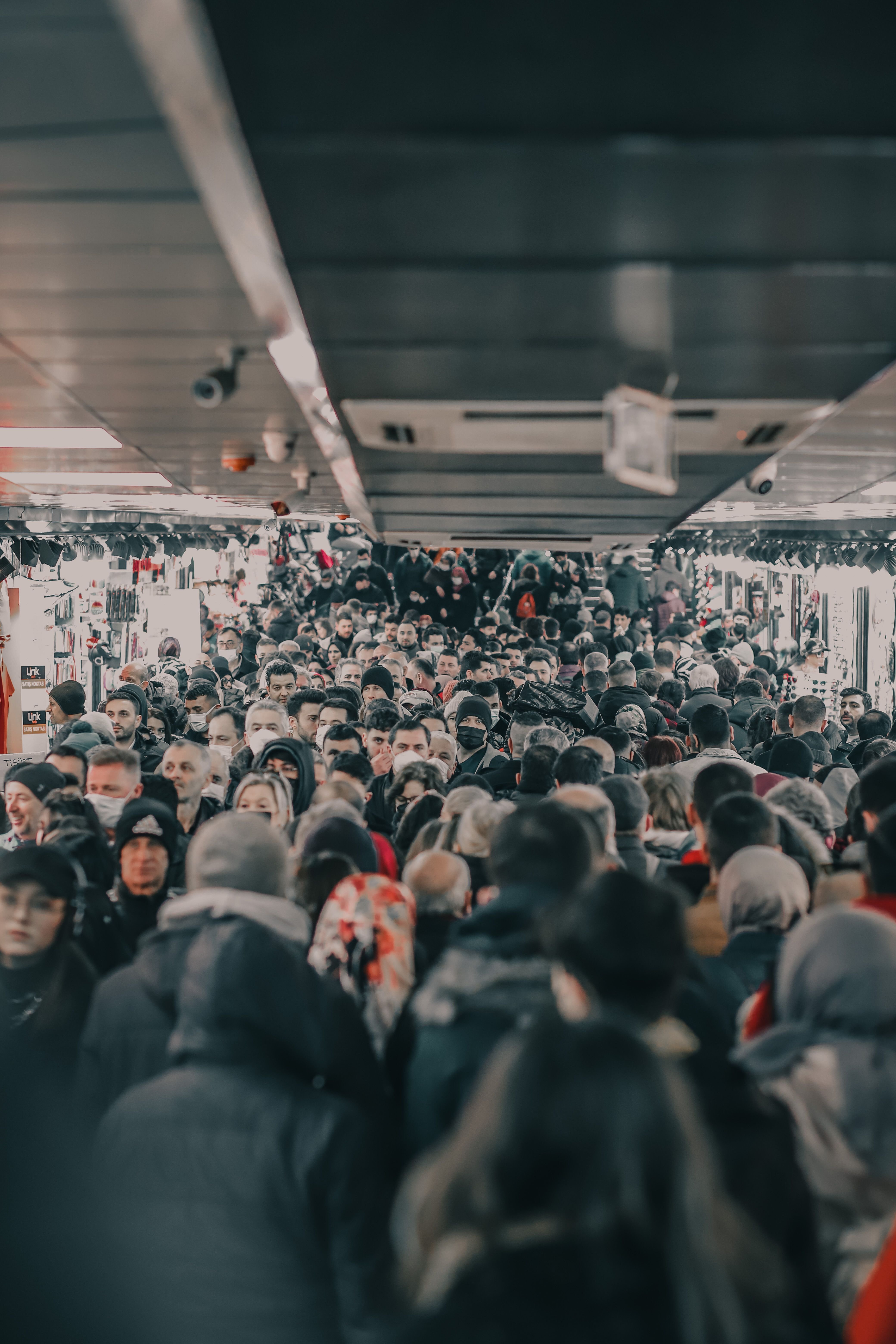
The metro — especially the L3 (green) line that serves the tourist sights, and airport routes; the doors-closing moment is a classic grab-and-go.
The beach — Barceloneta especially; bags vanish the moment you're in the water or asleep.
La Boqueria and packed markets — crowds and distraction.
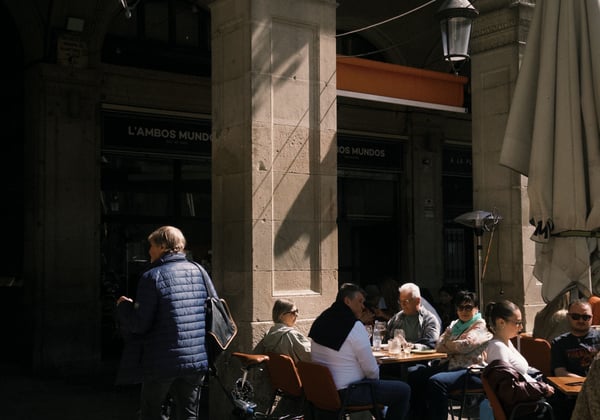
Restaurant terraces — a bag on a chair back or a phone on the table is an invitation.
The specific scams to know
Beyond straightforward pickpocketing, a handful of distraction scams recur. The pattern is always the same: something grabs your attention while a partner takes your things.
The petition. Someone (often with a clipboard) asks you to sign for a cause; while you focus, an accomplice works your pockets.
The "spill" or "bird poop." A stranger points out a stain on you and helpfully cleans it — they put it there, and they're cleaning out your pockets.
The friendship bracelet. Someone ties a string on your wrist near the Cathedral, then demands payment.
The fake police. "Plainclothes officers" ask to check your wallet or passport for "counterfeit money" or "drugs." Real Barcelona police don't do this — it's a theft setup.
The shell game. Three-card monte on Las Ramblas; the crowd around it is in on it, and you cannot win.
Metro "help." A friendly stranger offers to help with the ticket machine and palms your change or watches your PIN.
The habits that make you a hard target
You don't need gadgets or paranoia — just a few consistent behaviors:
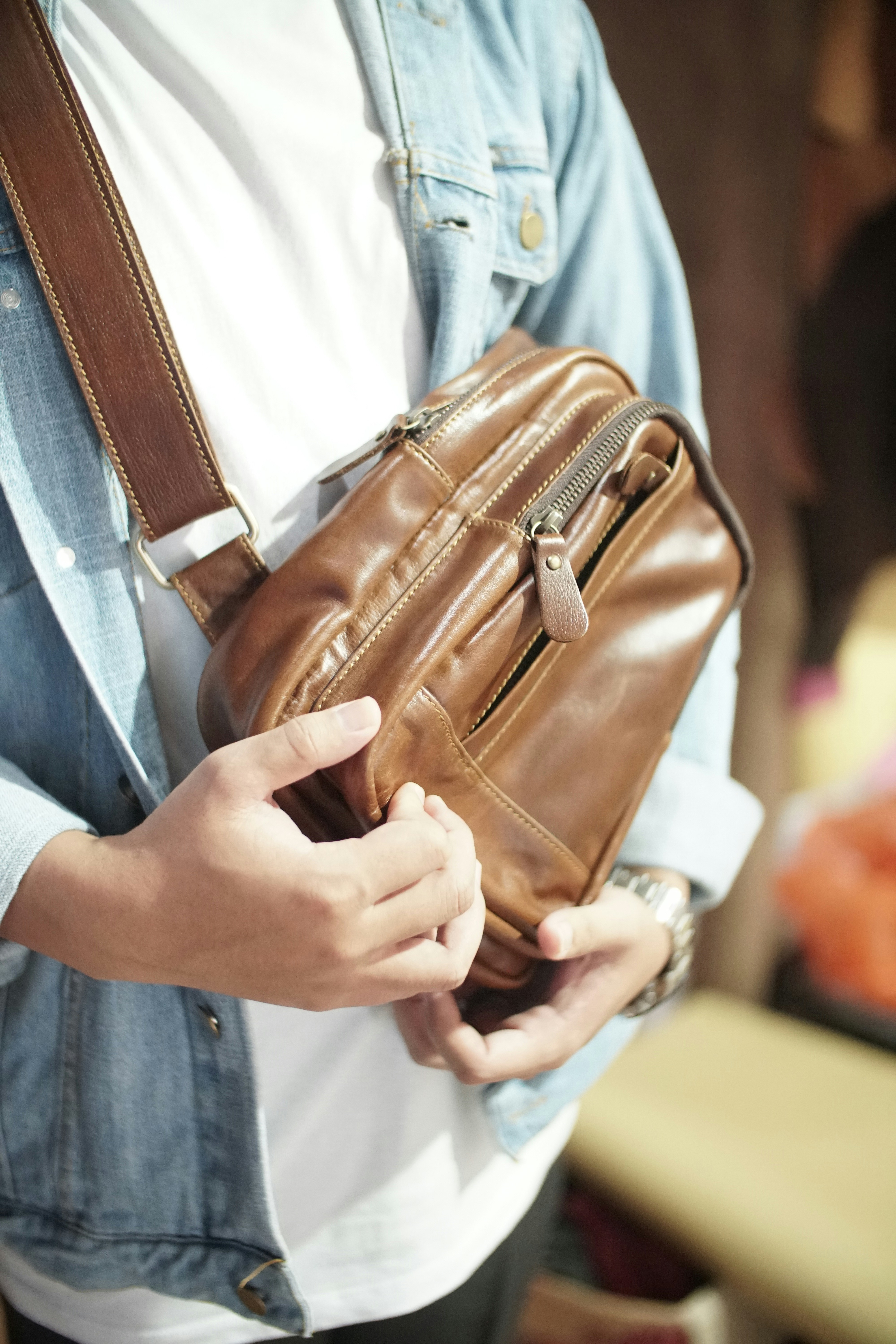
Bags zipped, worn in front. A crossbody bag across your chest, zipper toward you, defeats most attempts. Never a back pocket, never a backpack with valuables in the outer pockets.
Phone away in crowds and on the metro. The phone-in-hand-on-Las-Ramblas pose is the number-one target. Use it, then put it away — don't walk with it out.
Never leave anything on a chair back or table edge. Bag between your feet or strap around your leg at cafés.
Beach: bring almost nothing. Take only what you'd be okay losing; never leave belongings while you swim.
Be alert at "transition moments." Boarding the metro, going through a turnstile, in a sudden crowd — that's when grabs happen.
Don't engage the distraction. Petition, bracelet, spill, "police" — keep walking, hands on your things, a firm "no."
Carry a backup. Leave a spare card and some cash at the hotel; keep a digital copy of your passport.
If you do get pickpocketed
You likely won't catch them — they're professionals and move fast. Prioritize your safety over chasing.
File a police report (denuncia) — at a station or sometimes online — which you'll need for insurance and to replace documents. The Guàrdia Urbana and a tourist-focused police presence can help.
Cancel cards immediately using the backup numbers you saved.
For a lost passport, contact the US Consulate in Barcelona to arrange a replacement.
Emergency number is 112 (English-speaking operators available) for anything urgent.
The bottom line
Don't let the pickpocket reputation scare you off — it's a manageable, non-violent risk, not a reason to skip one of Europe's great cities. Treat your phone and wallet the way you'd treat them in any major city, add a little extra vigilance on Las Ramblas and the metro, and the odds tip firmly in your favor. Tens of millions visit Barcelona safely every year; the ones who get caught out are almost always the ones with a phone loose in a back pocket and their attention somewhere else.
FAQ
Is Barcelona safe for tourists?
Yes — violent crime against visitors is rare, and the central areas feel comfortable day and night. The one real, daily risk is pickpocketing and bag-snatching, which is non-violent and very preventable with basic habits.
Where do most pickpocketing incidents happen?
Las Ramblas, the metro (especially the L3 line and airport routes), the Sagrada Família and Park Güell crowds, the beach, packed markets like La Boqueria, and restaurant terraces — anywhere crowded and distracting.
What are the most common scams in Barcelona?
Distraction scams: the petition signature, the fake "spill" cleanup, the forced friendship bracelet, fake plainclothes "police" asking to check your wallet, the shell game on Las Ramblas, and metro ticket-machine "helpers."
How do I avoid getting pickpocketed?
Wear a zipped crossbody bag in front, keep your phone away in crowds and on the metro, never put valuables in back pockets or on chair backs, bring almost nothing to the beach, and don't engage with distraction approaches.
What should I do if I'm pickpocketed?
File a police report (denuncia) for insurance and document replacement, cancel your cards immediately using backup numbers, contact the US Consulate for a lost passport, and call 112 for emergencies. Prioritize safety over chasing the thief.