Drinking in Barcelona isn't about cocktails or pints — it's about a handful of local rituals that, once you understand them, unlock a more authentic and enjoyable trip. Vermouth before lunch, cava with everything, wine by the glass, and a small beer in the afternoon: this is how the city actually drinks. Skip the sangria, learn these few customs, and you'll order like a local and drink better (and cheaper) for it. Here's the guide.
Vermut: the local ritual to know
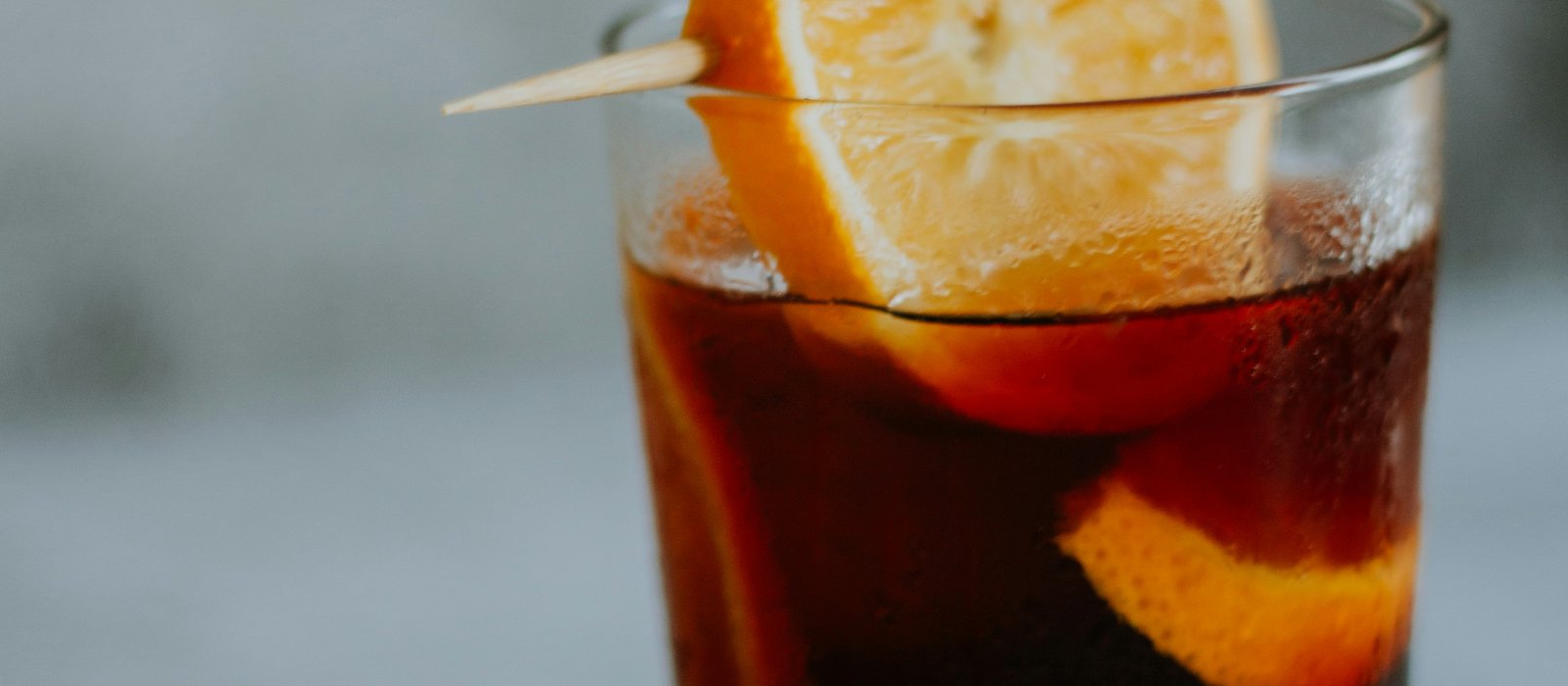
If you learn one drinking custom in Barcelona, make it "fer el vermut" — doing vermouth. Vermouth here isn't a cocktail ingredient; it's a drink in its own right: a herby, slightly sweet, fortified wine served over ice with a slice of orange and an olive, often with a splash of soda. The ritual is a pre-lunch aperitif, especially on weekends — late morning to early afternoon, you'll see locals standing at bars or sitting on terraces with a vermut and a small snack (olives, chips, anchovies, a little conserva). Order "un vermut" and you instantly read as someone who gets the city. It's low-alcohol, social, and utterly Barcelona — the single most authentic thing you can drink here.
Cava: Catalonia's sparkling wine
Cava is the region's sparkling wine, made by the same method as Champagne but at a fraction of the price — and it's a point of Catalan pride. It's produced mostly in the Penedès region just southwest of Barcelona (an easy wine-country day trip or tasting). Crisp, dry, and food-friendly, cava is poured everywhere from casual bars to celebrations, and it pairs beautifully with tapas. A glass of good cava costs a few euros; ordering it instead of a generic "prosecco" or "champagne" is both cheaper and more local. For a toast, a market lunch, or just because it's sunny, cava is the move.
Wine: order it by the glass, regional and cheap
Catalan and Spanish wines are excellent and remarkably cheap by the glass — a good glass of regional red or white often runs €3–5. Local regions worth trying: Priorat (powerful reds), Penedès (whites and cava), and Montsant. Don't overthink it — "un vi negre" (a red) or "un vi blanc" (a white) at a tapas bar gets you something honest and good. House wine (vi de la casa) is usually perfectly drinkable and the best value. Wine is woven into everyday meals here, not reserved for special occasions.
Beer: the caña and the afternoon
Beer (cervesa in Catalan, cerveza in Spanish) is casual and everywhere. The key word is "una caña" — a small draft beer, usually a fresh, cold ~200ml glass. Order a caña rather than a pint and you get beer the way locals drink it: small, fresh, often as an afternoon refresher or with tapas. A "doble" or "tubo" is a larger size if you want more. Estrella Damm, brewed in Barcelona, is the local lager you'll see most. Beer is the easygoing daytime and casual drink; vermut and wine carry more of the ritual weight.
Skip the sangria (and what to drink instead)
Here's the gentle truth: sangria is largely a tourist drink in Barcelona. Locals rarely order it; it's marketed to visitors, often overpriced and mediocre in tourist zones. If you love it, no judgment — but if you want to drink like the city does, choose vermut, cava, wine, or a caña instead. A related local drink that is authentic: tinto de verano (red wine with soda/lemon, over ice) — simpler and more genuinely Spanish than sangria, and what many locals actually drink on a hot day. Order that and you get the refreshing-wine-spritz experience without the tourist markup.
Where and how to drink
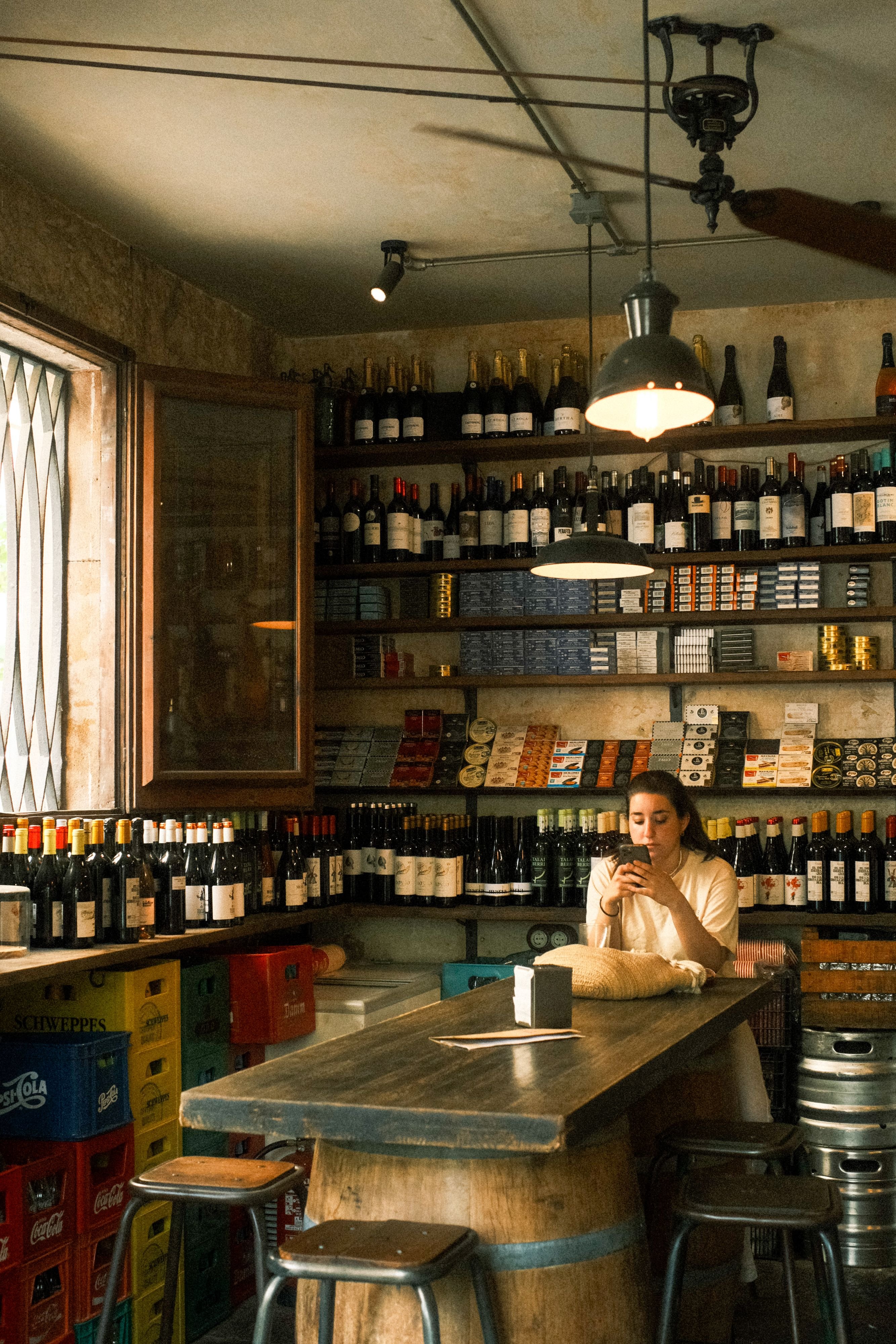
Bodegas and vermuterías — old-school spots for vermut and wine from the barrel, often with conservas and simple tapas. The most atmospheric way to drink.
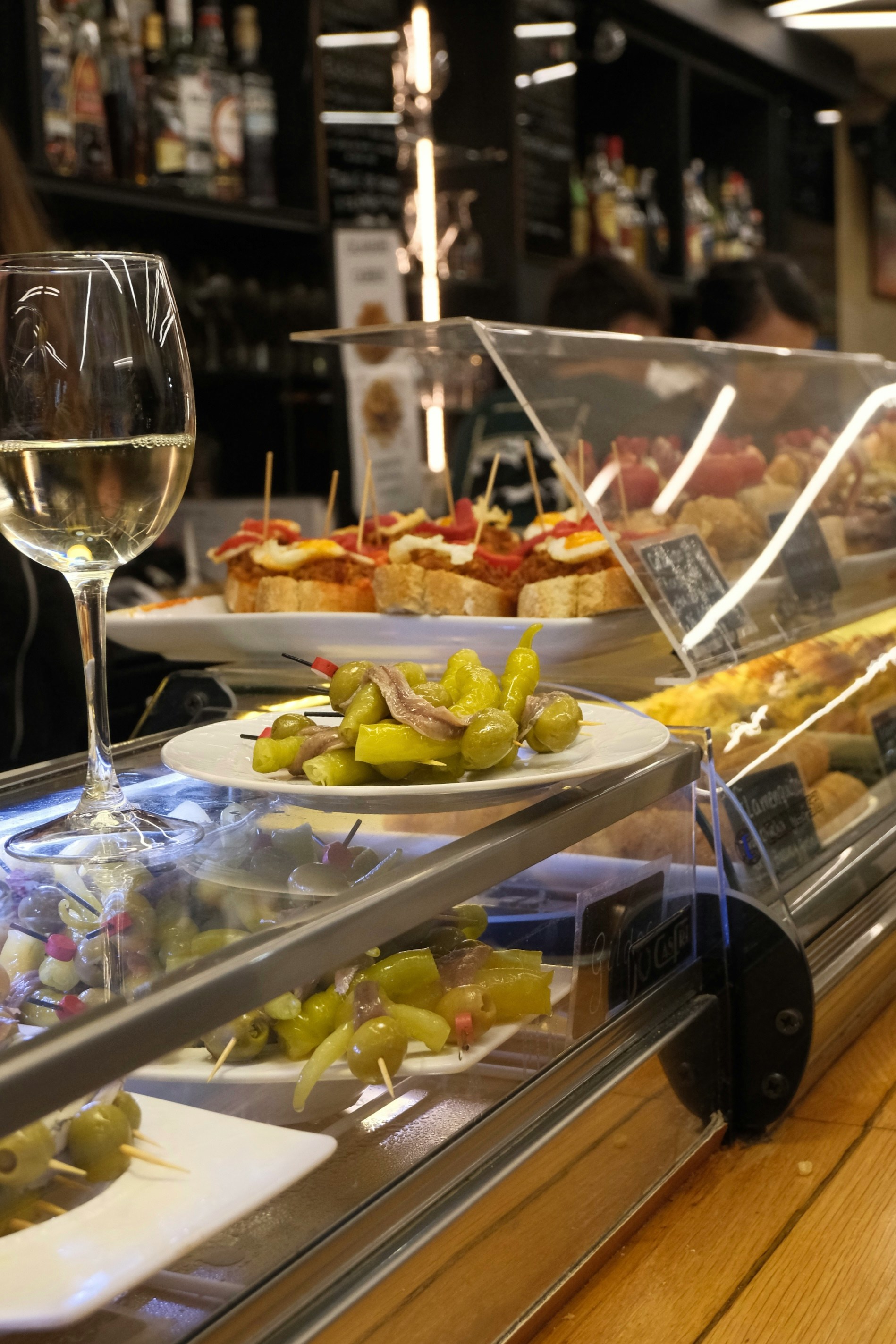
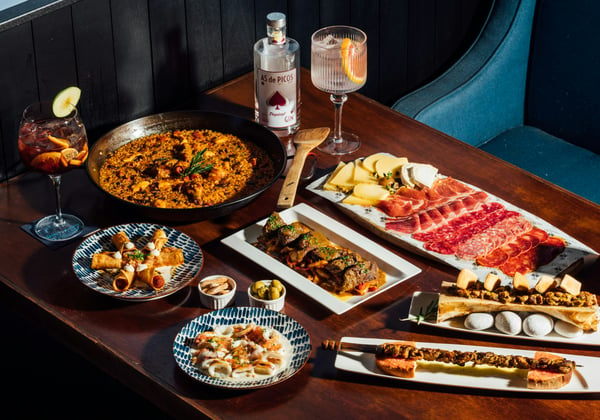
Tapas bars — wine, cava, vermut, and cañas alongside the food; drinking and eating are intertwined.
Terraces and plaças — especially in Gràcia, El Born, and Poble-sec, for an unhurried drink watching the city.
Cava bars — dedicated spots (the classic xampanyeria style) pouring cava cheap and lively.
Drinking etiquette and tips
Drinking is social and moderate — paced over food and conversation, not about getting drunk. Public drunkenness is frowned upon.
Tip lightly — round up; no percentage expected at a bar.
Drinks come with small snacks sometimes (olives, chips) — a nice touch, occasionally free.
Vermut hour is late morning to ~2pm; wine and cava anytime; cañas all afternoon and evening.
Try the local before the international — regional wine and cava beat imported options on both price and authenticity.
Drinking age is 18, and it's enforced in shops and bars.
FAQ
What do locals drink in Barcelona?
Vermut (herby fortified wine over ice with orange and an olive) as a pre-lunch ritual, cava (Catalan sparkling wine), regional wine by the glass, and "una caña" (a small draft beer). Sangria is mostly for tourists.
What is "fer el vermut"?
The local ritual of having a vermouth as a pre-lunch aperitif, especially on weekends — late morning to early afternoon, often with a small snack. Ordering "un vermut" is the most authentic drink choice in Barcelona.
Should I order sangria in Barcelona?
Locals rarely do — it's a tourist drink, often overpriced. If you want a refreshing wine spritz, order tinto de verano (red wine with soda over ice) instead, which is what Spaniards actually drink on a hot day.
What is cava?
Catalonia's sparkling wine, made like Champagne but far cheaper, produced mostly in the nearby Penedès region. Crisp and food-friendly, it pairs beautifully with tapas and is a local point of pride — order it over prosecco or champagne.
How do I order a beer like a local?
Ask for "una caña" — a small, fresh draft beer, the way locals drink it, rather than a pint. A "doble" or "tubo" is a larger size. Estrella Damm is the local Barcelona lager.