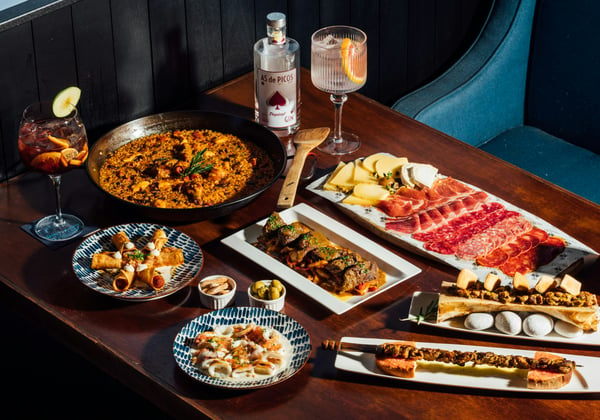
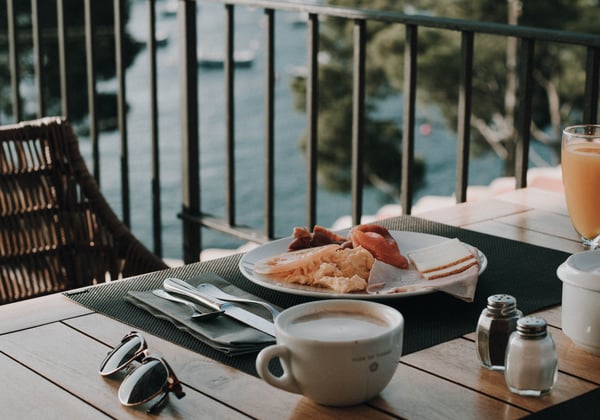
Eating is one of the great pleasures of Barcelona, but for first-timers it can be bewildering: when do people actually eat, what's Catalan versus generic Spanish, how do you avoid the tourist traps, and where do locals go? This guide is the overview — not a list of specific restaurants (which open and close), but the framework you need to eat well anywhere in the city: the meal times, the neighborhoods, the dishes, and the rules that separate a great Barcelona food trip from a disappointing one.
The single most important thing: meal times
Spanish eating hours are later than Americans expect, and fighting them is the number-one way to end up in tourist traps (the only places open at "American" hours). Get on the local clock:
Breakfast (esmorzar): light — coffee and a pastry, or pa amb tomàquet — anytime from early morning.
Lunch (dinar): the big meal, eaten 1:30–3:30pm. This is when to have your main feast, often via the excellent-value menú del día.
Merienda / vermut: a late-afternoon snack or pre-dinner vermouth around 6–7pm.
Dinner (sopar): late and often lighter — 8:30–10:30pm. Restaurants filling at 9pm is normal; arriving at 7 marks you as a tourist.
If you eat your largest meal at a long lunch and graze tapas in the evening, you're eating like a local — and eating better.
The menú del día: your best-value move
The menú del día (menu of the day) is a weekday-lunch institution: a fixed-price multi-course meal — typically a starter, main, and dessert or coffee, often with a drink included — at a fraction of à la carte prices. It's how locals eat well midday, and it's the single best value in Spanish dining. Look for it chalked outside restaurants Monday–Friday; even modest places put out a quality menú del día. Make lunch your big meal and the menú del día your default, and you'll eat brilliantly for little.
Where to eat, by neighborhood
El Born — the old city's best eating: dense with quality tapas, wine bars, and creative small plates, with a high hit rate.
Poble-sec — especially Carrer de Blai for cheap pintxos; a brilliant tapas-crawl street and a local favorite.
Gràcia — relaxed, local, with independent and international spots around the squares.
Barceloneta — seafood and rice by the sea (go a street back from the boardwalk).
Eixample (Esquerra) and Sant Antoni — where locals eat well for less, away from the tourist center; the renovated Sant Antoni market anchors a great food zone.
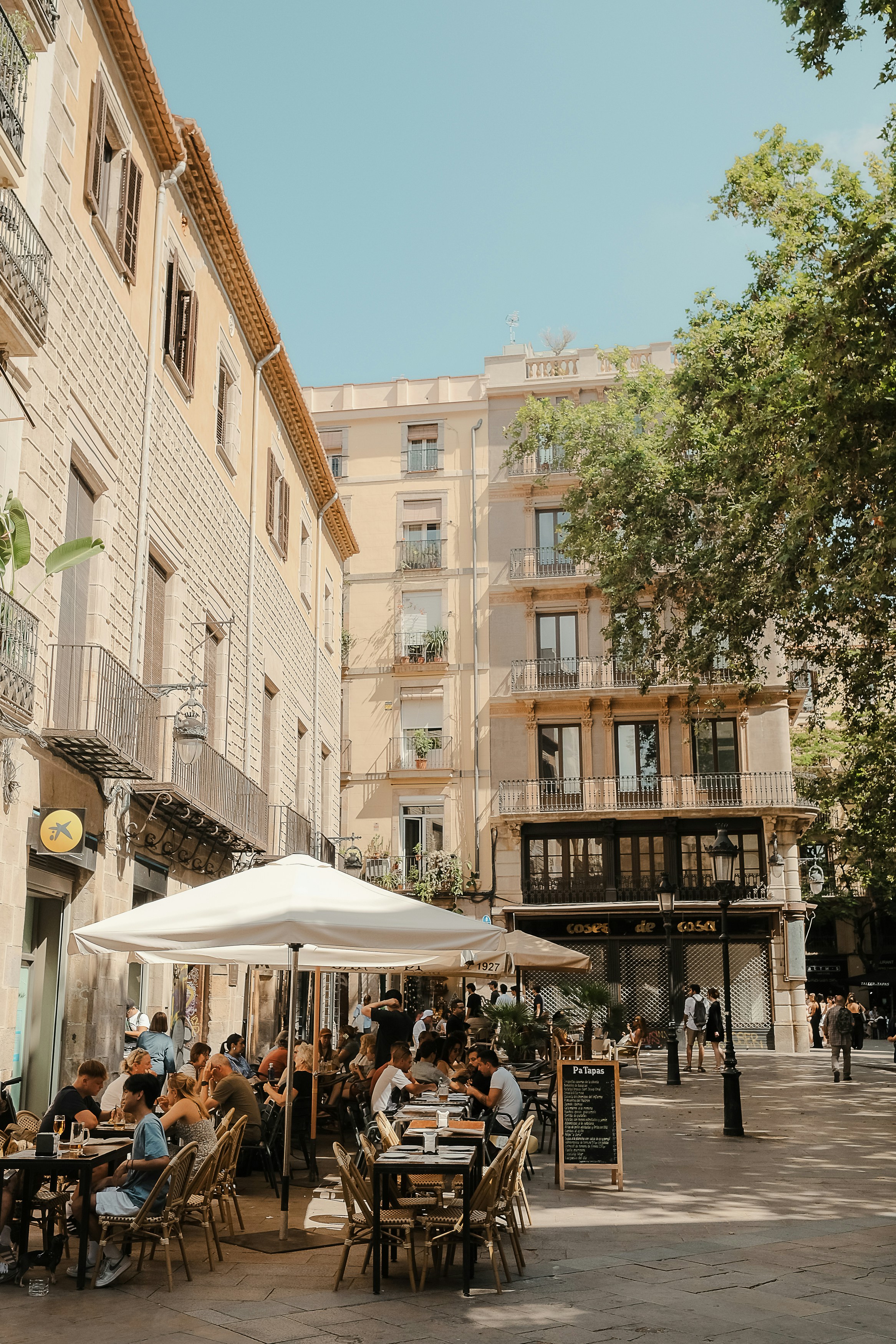
The Gothic Quarter — good food exists but you must dodge the traps; head to the back streets, not the main lanes or Las Ramblas.
What to eat: Catalan specialties
Beyond the pan-Spanish tapas, seek out the genuinely Catalan dishes:
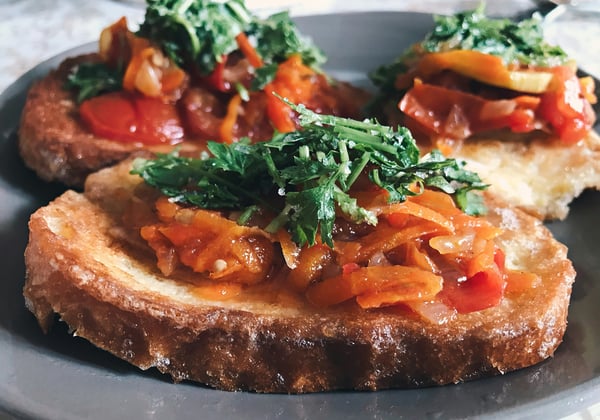
Pa amb tomàquet — the foundational tomato bread.
Escalivada — smoky roasted peppers, eggplant, and onion.
Esqueixada — a refreshing raw salt-cod salad.
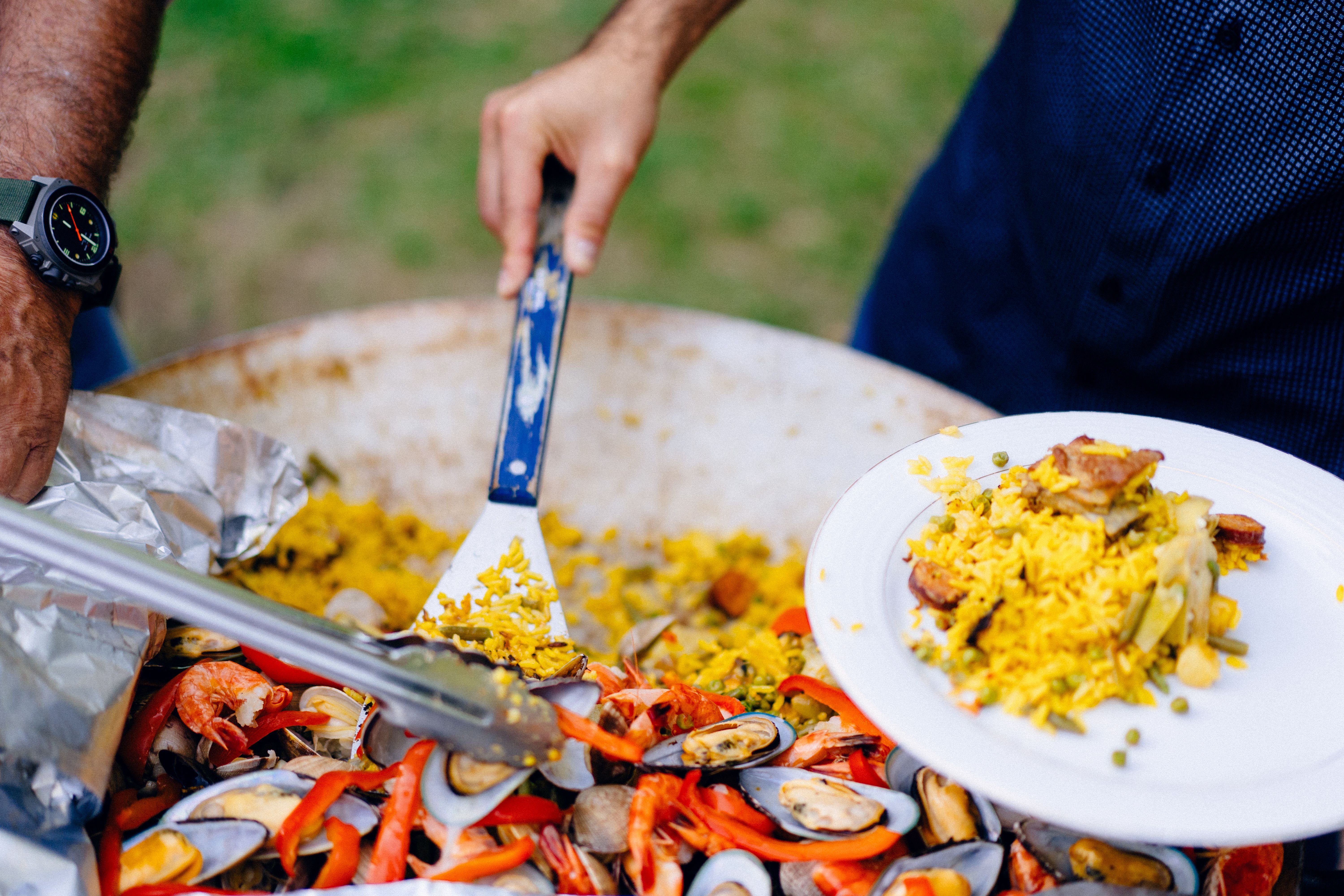
Fideuà — the local noodle "paella."
Botifarra amb mongetes — Catalan sausage with white beans.
Calçots (winter/spring) — grilled spring onions with romesco sauce, a seasonal ritual.
Crema catalana — the local crème brûlée, for dessert.
Mar i muntanya — "sea and mountain" dishes combining seafood and meat, a Catalan signature.
The rules for avoiding tourist traps
Walk away from the crowds. The best food is a few streets off the main tourist drags; the worst is on Las Ramblas and the busiest plazas.
Avoid photo menus, hawkers, and multi-language boards with pictures of paella — classic trap signals.
Eat at local hours. A restaurant full of Spanish-speakers at 2pm or 9:30pm is a good sign.
Look for the menú del día and daily specials — signs of a kitchen cooking fresh.
Reserve for dinner at popular spots, especially in El Born and on weekends.
Don't expect early dinner — kitchens often don't open until 8pm; plan around it.
Practical dining notes for Americans
A few things smooth out eating here once you know them. Service is unhurried by design — the bill won't come until you ask ("la cuenta, por favor"), and lingering at the table is expected, not rude; flag the waiter rather than waiting to be checked on. Tap water isn't automatically served and asking for "agua del grifo" sometimes gets a puzzled look; many people order bottled, though tap is safe to drink. Bread and small extras (olives, the couvert) may appear and be charged for — normal, not a scam. Dietary restrictions are increasingly well handled in a cosmopolitan food city: vegetarian and vegan spots are plentiful (especially in Gràcia, El Raval, and the Eixample), and gluten-free is widely understood, though dedicated celiacs should still confirm. And reservations for dinner are wise at popular places, easily done through the restaurant's site or a booking app. None of this is hard — it's just different enough from US dining that knowing it in advance keeps you relaxed.
How to plan your eating
A simple structure makes a Barcelona food trip sing: do a food tour early to learn the lay of the land, make lunch your big meal (menú del día or a long seaside rice lunch), graze tapas in the evening across a neighborhood crawl, hit at least one market for a counter-bar meal, and book one or two special dinners ahead in a good neighborhood. Follow the local clock, wander off the tourist lanes, and you'll discover that eating in Barcelona is less about finding the one perfect restaurant than about moving through a city where eating well is woven into daily life.
FAQ
What time do people eat in Barcelona?
Late by US standards: lunch (the big meal) is 1:30–3:30pm and dinner is 8:30–10:30pm. Restaurants fill around 9pm; arriving at 7 means eating with other tourists in half-empty rooms.
What is the menú del día?
A fixed-price weekday-lunch deal — usually a starter, main, and dessert or coffee, often with a drink — at well below à la carte prices. It's how locals eat well at midday and the best value in Spanish dining.
Where do locals eat in Barcelona?
El Born for quality tapas, Poble-sec (Carrer de Blai) for pintxos, Gràcia for relaxed local spots, Barceloneta for seafood a street back from the boardwalk, and the Eixample Esquerra/Sant Antoni area for eating well away from the tourist center.
What Catalan dishes should I try?
Pa amb tomàquet, escalivada, esqueixada, fideuà (the local noodle paella), botifarra amb mongetes, seasonal calçots, and crema catalana for dessert — plus "mar i muntanya" sea-and-mountain dishes.
How do I avoid tourist-trap restaurants?
Walk a few streets off the main tourist drags, avoid photo menus and hawkers (especially on Las Ramblas), eat at local hours, look for the menú del día, and reserve ahead for dinner at popular spots.