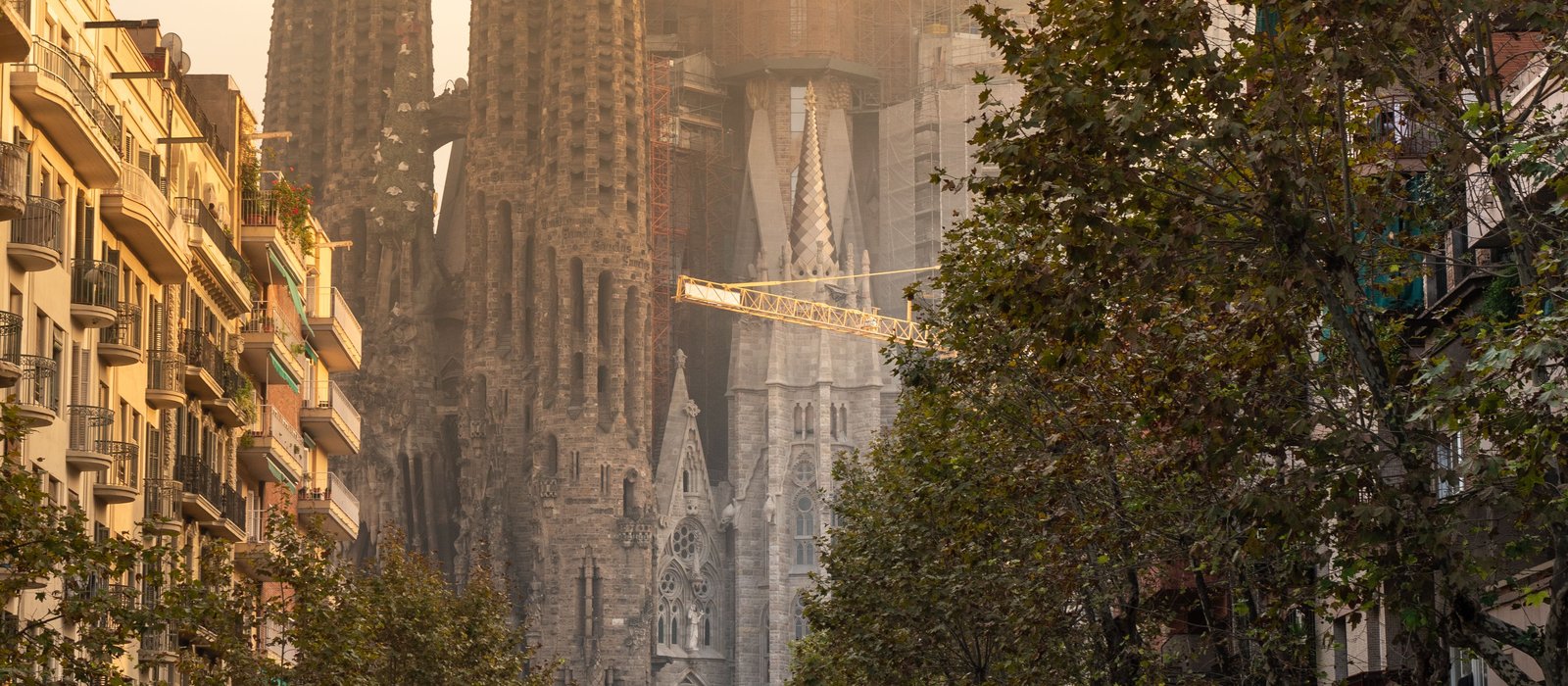
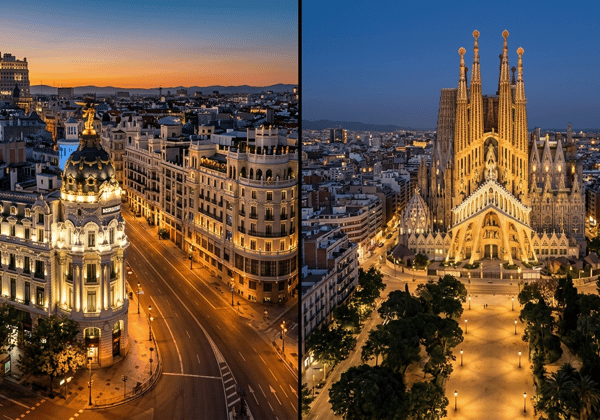
Three days is the sweet spot for a first Barcelona trip: enough to see the Gaudí essentials properly, eat like the city wants you to eat, and still leave wanting more. This itinerary is built around the one fact that defines Barcelona logistics in 2026 — the big sights run on timed entry and sell out — so the plan assumes you book two tickets before you fly: Sagrada Família (day 1 morning) and Park Güell (day 2 morning). Everything else flexes around those anchors.
Before you land: the two bookings
Book Sagrada Família on the official site for a first-of-the-morning slot the moment your dates open (the calendar releases about two months out; in 2026 it sells out fast — our Sagrada Família tickets guide has the full strategy). Book Park Güell's 9:30 slot for day 2. Restaurants: one booked dinner, day 3, seafood in Barceloneta. That's all the pre-planning this trip needs.
Day 1 — Gaudí's masterpiece and the old city
Morning: Sagrada Família, first slot
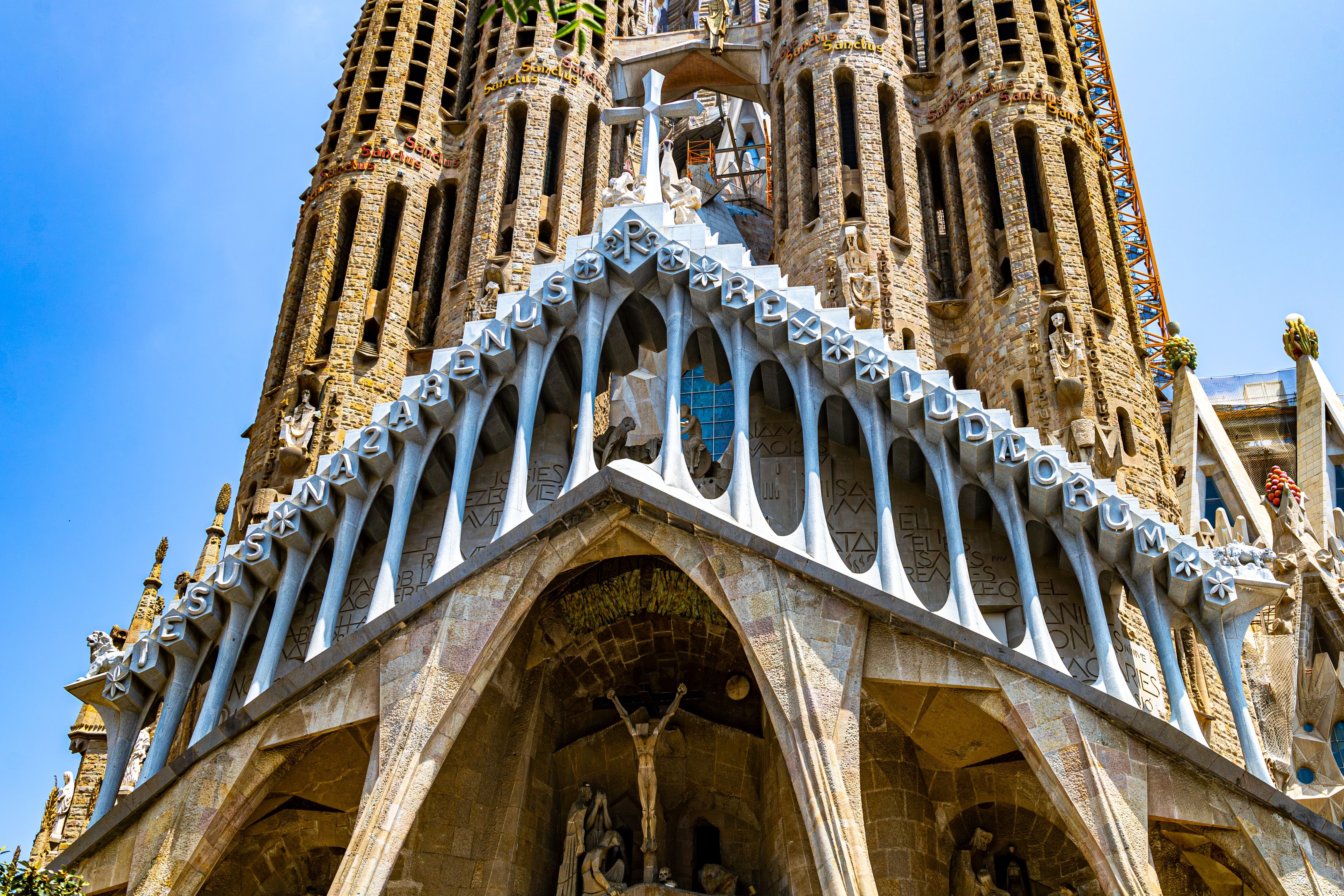
Take the 9:00–9:30 entry. The morning sun lights the Nativity facade outside and pours blue-green through the east glass inside. Give it 90 minutes minimum; if you added tower access, you booked Nativity or Passion when you bought. Before leaving, walk across Plaça de Gaudí for the photo over the pond.
Afternoon: Sant Pau, then a real lunch
Walk 10 minutes up the Avinguda de Gaudí — the basilica behind you, Domènech i Montaner's Hospital de Sant Pau ahead: a tiled Modernisme pavilion city most visitors skip, which is exactly why you shouldn't. Lunch afterward like Spain does: 2pm, unhurried, ideally a menú del día — three courses plus a drink at a weekday-lunch price that will make you question American lunch culture (pricing varies; it's the deal of the trip).
Evening: the Gothic Quarter at dusk
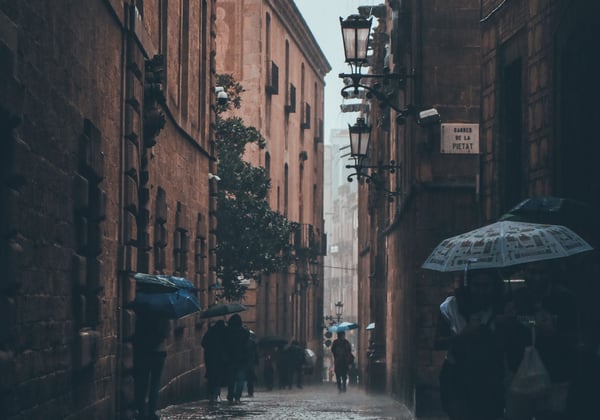
Metro to Jaume I and wander: the cathedral square, Plaça Sant Felip Neri's shrapnel-scarred walls, Plaça Reial's lamps (Gaudí's first commission). Dusk is when the stone glows and the day-trippers thin. Dinner late — 8:30 at the earliest if you want company that isn't other Americans. Keep bags zipped and in front; this is lovely, pickpocket-active territory.
Day 2 — Park Güell, Gràcia, and the Modernisme mile
Morning: Park Güell at 9:30
Metro L3 to Vallcarca and ride the public escalators up the hill. Dragon staircase, Hypostyle Room, the serpentine bench with the city-to-sea view — then out through the free outer park's viaducts. Two hours well spent.
Midday: Gràcia's plaças
Walk downhill into Gràcia, the village the city swallowed. Lunch on Plaça de la Vila de Gràcia or Plaça del Sol, where Barcelona's daily life happens at café tables. This unscheduled hour is usually the one people remember.
Afternoon: Casa Batlló or La Pedrera
Continue down into the Eixample for the Passeig de Gràcia facades. Go inside exactly one Gaudí house — Batlló is the dreamlike, theatrical one; La Pedrera is calmer with the warrior-chimney rooftop and the attic of catenary arches. Both charge premium admission with timed entry (book the morning-of or a day ahead; they're high-capacity and rarely the bottleneck Sagrada is). Doing both in one afternoon is monument overdose — see the other from the sidewalk, which is free and genuinely satisfying.
Evening: tapas crawl in Poble-sec
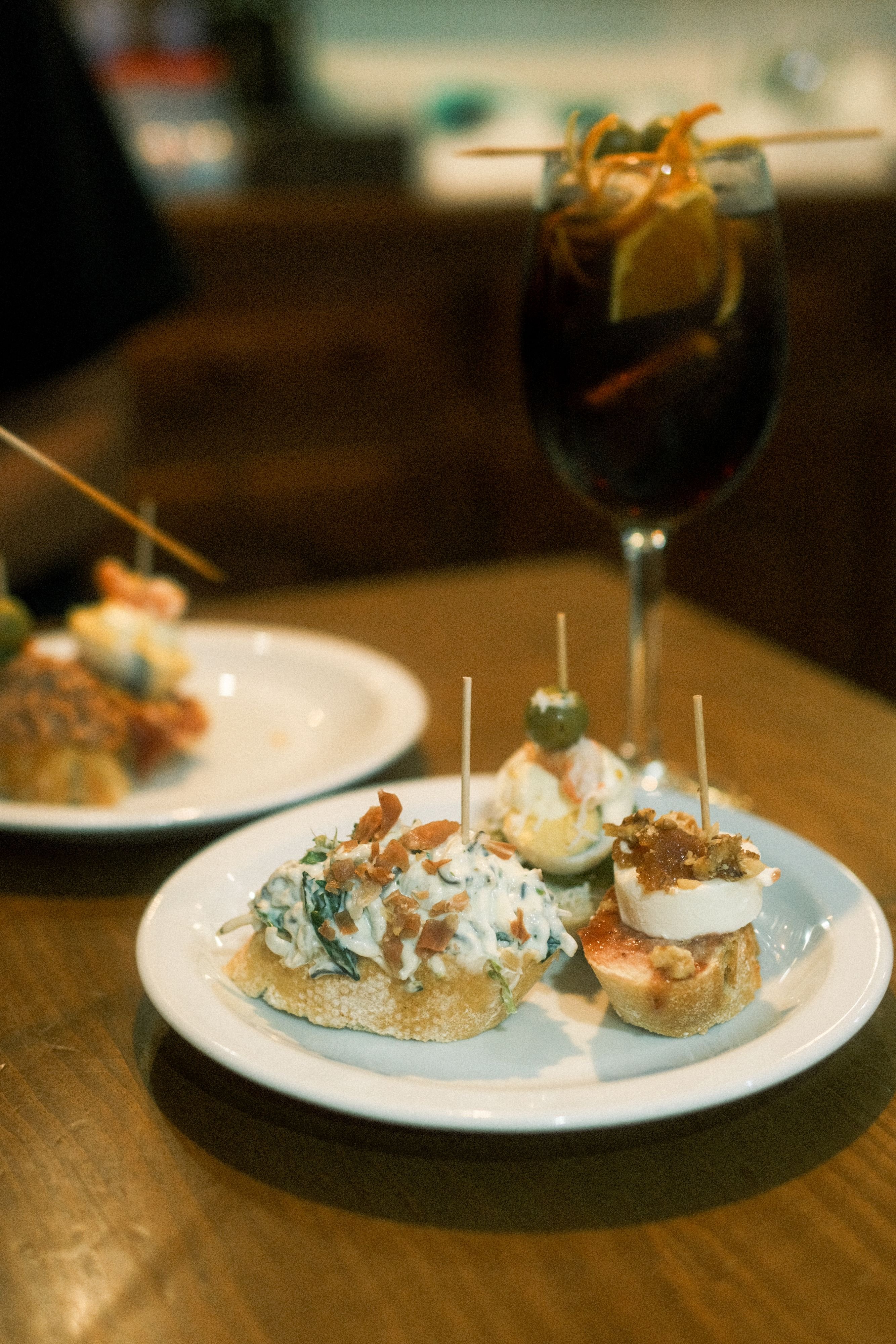
Metro to Paral·lel and walk Carrer de Blai: standing-room pintxos bars where each toothpicked bite costs little and the vermouth flows. Crawl, don't sit. This is the budget-correcting dinner after the premium-admission afternoon.
Day 3 — markets, Modernisme's other genius, the hill, and the sea
Morning: market breakfast and the Palau
Start at a market — La Boqueria for the spectacle (go before 10am, watch your bag) or Santa Caterina for the same quality with local prices. Then the Palau de la Música Catalana tour: a concert hall that out-dazzles its photographs, the great non-Gaudí interior in town. Tours run on the hour and book out same-day in season — reserve the night before.
Afternoon: Montjuïc
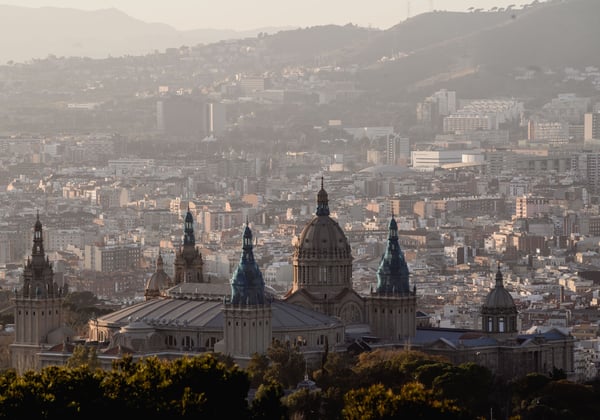
Take the cable car up Montjuïc for the harbor views, then pick one thing on the hill: the castle's ramparts, the Miró Foundation, or MNAC's Romanesque frescoes. (The Magic Fountain's evening shows have been suspended during the drought years — check current status before promising the kids a show.)
Evening: Barceloneta and the booked seafood dinner
Descend toward the sea for the golden-hour boardwalk hour — locals swimming until October — and the dinner you reserved: proper paella or fideuà at a Barceloneta institution, not a photo-menu tourist trap on Las Ramblas. End with a walk on the sand. That's Barcelona in three days: stone forest, mosaic hill, medieval lanes, and the Mediterranean, in that order.
The 3-day route — Gaudí, the old city, the hill and the sea
Sagrada Família — Timed entry — books out weeks ahead
Gothic Quarter — The oldest core, on foot
Park Güell — Monumental zone is ticketed & slotted
Gràcia — Village-in-the-city, plaza life
La Boqueria — Market off La Rambla — go early, not at lunch
Montjuïc — Hill of museums, gardens & views
Barceloneta Beach — City beach, walkable from El Born
The practical spine
Transit: buy a T-casual (10 rides, zone 1) on arrival — it covers every metro hop in this plan. Note it is not valid for the airport metro, which needs its own ticket.
Pace: this plan walks 5–7 miles a day. Spanish meal hours are your rest stops — lean into the long lunch.
Money: cards everywhere, including the metro; carry €20–40 for market stalls and pintxos counters; tip by rounding up, not by percentage guilt.
Pickpockets: the one real risk. Bags zipped, in front, never on a chair back; phone away on the metro. That's the entire protocol.
Swaps: rain moves Montjuïc indoors (MNAC) and the Gothic dusk walk into the Picasso Museum; with a fourth day, insert Montserrat between days 2 and 3.
FAQ
Is 3 days enough for Barcelona?
For the first-visit essentials, yes: the major Gaudí sites, the old city, a market, Montjuïc, and the beach all fit without sprinting. Day trips like Montserrat need a fourth day.
What must I book before arriving?
Two things: Sagrada Família (the moment your dates open — about two months out) and Park Güell's morning slot. Casa Batlló or La Pedrera can usually be booked a day ahead; one seafood dinner reservation completes it.
Can I do Sagrada Família and Park Güell on the same day?
Possible with pre-booked slots — Güell at 9:30, the basilica midday — but it makes both feel like errands. This plan splits them across two mornings for a reason.
Should I visit Casa Batlló or La Pedrera?
One interior is enough. Batlló is the theatrical, immersive one; La Pedrera is quieter, with the famous rooftop and the attic that explains how Gaudí's arches work. See the other from the street.
How do I get around between stops?
The metro plus your feet. A 10-ride T-casual covers the whole itinerary; nothing in this plan needs a taxi except, optionally, the hill up to Park Güell.