Barcelona isn't a cheap city to sleep in — hotel prices have climbed with the tourist-apartment phase-out and the 2026 demand surge — but you can absolutely stay well on a budget if you're strategic about where and what type of place you book. This guide focuses on the decisions that actually save money (neighborhood, accommodation type, timing) rather than naming specific properties that open, close, and change hands. Get the strategy right and the specific booking follows easily.
First, set expectations
Budget in Barcelona is relative. A dorm bed in a good hostel or a basic private room runs far less than a hotel, but "cheap" here still isn't Southeast-Asia cheap — and the very cheapest listings are often either far from the center or unlicensed apartments you should avoid (the city is phasing tourist apartments out, so verify any apartment's HUTB license). The realistic budget play is a well-located hostel, a simple hotel in a value neighborhood, or a no-frills chain — not a too-good-to-be-true whole apartment.
The budget accommodation types
Hostels — not just for backpackers
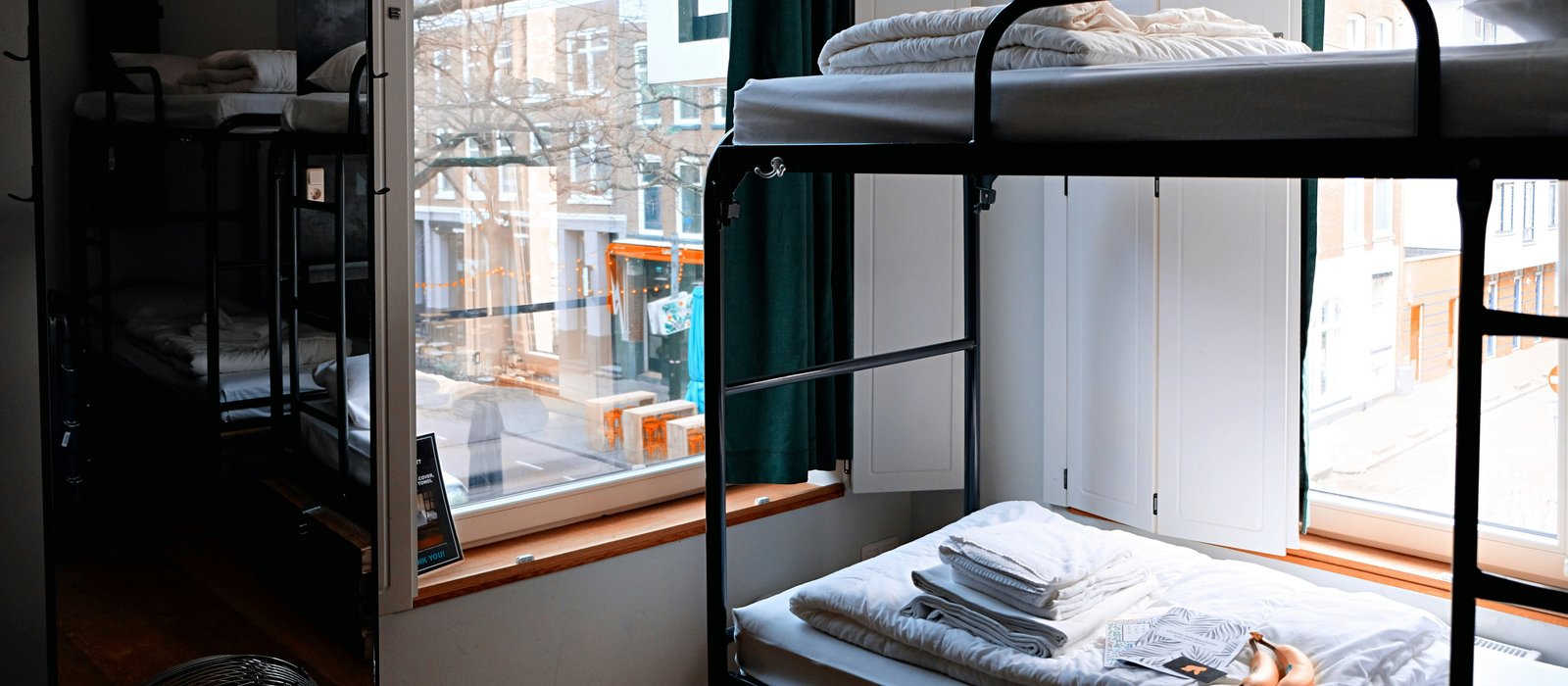
Barcelona has an excellent hostel scene, and modern hostels have moved well beyond bunk-bed-and-nothing. Expect design-forward common spaces, social events, often a bar or rooftop, and increasingly private rooms alongside dorms — meaning couples and even small families can get a hostel's price and atmosphere with a private door. Best for: solo travelers, the social-minded, and anyone prioritizing budget and location over privacy.
Budget and boutique-budget hotels
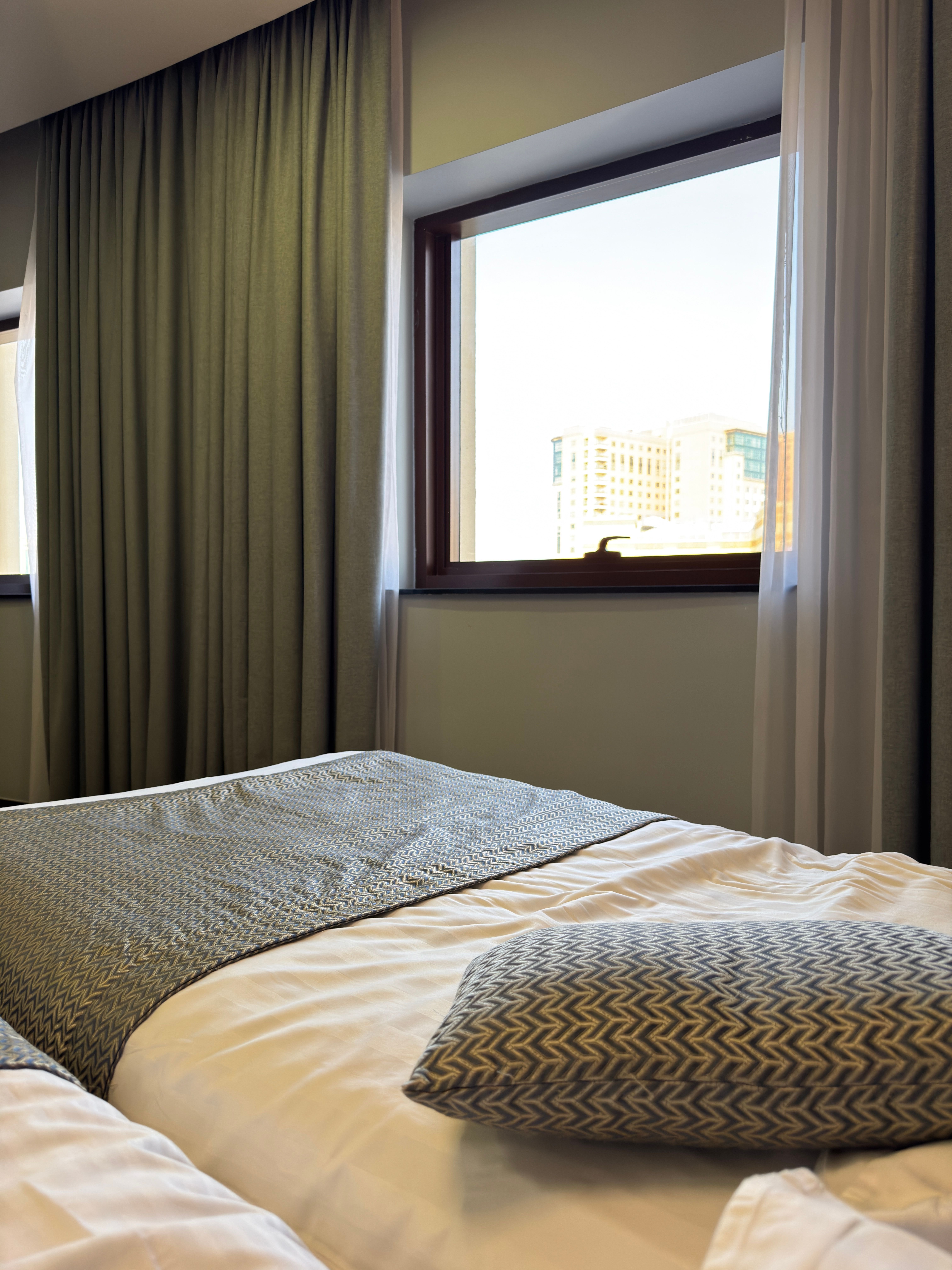
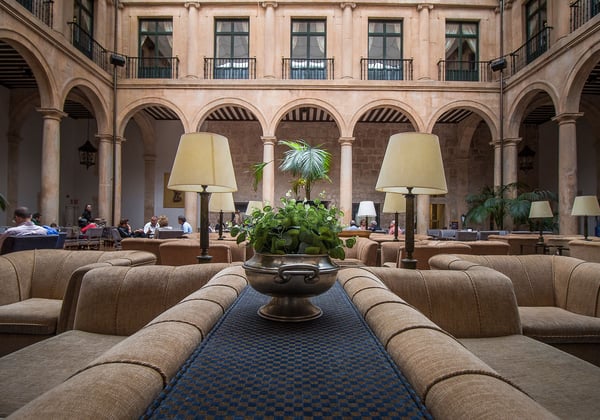
Small independent hotels and the better budget chains offer simple private rooms without the resort markup. In the right neighborhood you get a central, private base for meaningfully less than the big-name hotels. Best for: travelers who want privacy and a front desk but not luxury.
Aparthotels and guesthouses (pensiones)
Licensed aparthotels give you a kitchenette (real savings on meals) with hotel reliability — a smart middle path now that loose apartment rentals are riskier. Traditional pensiones (small family-run guesthouses) can be genuine bargains, especially for longer stays. Best for: longer trips, families, and self-caterers.
Where to stay on a budget
Poble-sec & Sant Antoni — the sweet spot: central enough to walk or short-metro everywhere, with the city's best cheap-and-cheerful food streets at your door. The smartest budget base for most people.
El Raval — the cheapest central beds, vibrant and multicultural, but genuinely gritty in parts; fine for street-smart travelers, less so for the anxious or families.
Gràcia — village atmosphere, decent value, a metro ride from the big sights but lovely to come home to.
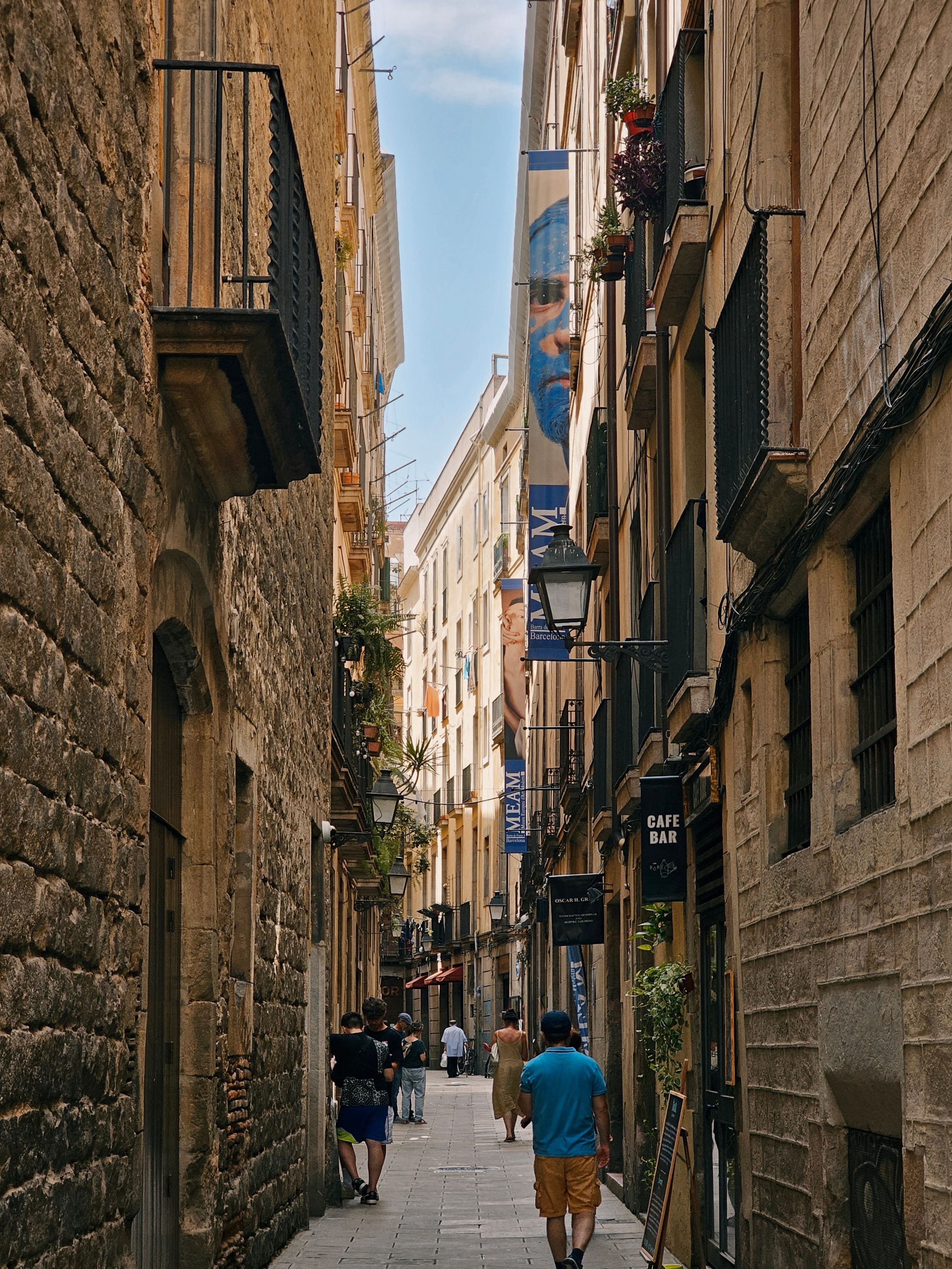
Slightly out (El Clot, Poblenou's edge, Sants) — residential neighborhoods where prices drop and a metro stop keeps you connected. The trade is a short commute for real savings.
Avoid blowing the budget on a beachfront or prime-Eixample address you'll mostly sleep in — put the money into location-that-walks-to-food and spend your waking hours out.
What your budget realistically gets you
Setting expectations prevents disappointment. At the hostel-dorm end, you get a bed, shared bathrooms, lockers, and usually a sociable common space and basic kitchen — clean and well-run at the good places, but not private. A private hostel room or a budget hotel room gets you a small, simple, clean private space, often without a view and sometimes with shared or compact bathrooms — comfortable but not spacious; Barcelona's older buildings mean budget rooms can be genuinely tiny. Aparthotels add a kitchenette and a bit more room. What budget money does not buy in central Barcelona is space, silence, and a prime address all at once — you pick which one or two matter most. The travelers happiest with budget stays are the ones who treat the room as a base for sleeping and showering and spend their real time out in the city, which in Barcelona is exactly how you should be spending it anyway.
How to actually save
Book early or very late. The best-value rooms go first in peak season; deep-last-minute can also work off-season. The dead middle is where you overpay.
Travel shoulder or off-season. November–March (excluding holidays) and the edges of spring/fall cut rates sharply versus summer and trade-fair weeks (MWC in late February triples prices citywide).
Consider a private hostel room — often cheaper than a budget hotel for the same privacy, with better social options.
Factor the tourist tax. It's charged per person, per night, scaled by accommodation category and usually paid at check-in — budget places carry a lower tax than five-stars, a small extra reason they save you money. Confirm the current rate at booking.
Verify licenses on any apartment (HUTB number) — unlicensed "bargains" can be cancelled out from under you.
Use a kitchenette for breakfast and the occasional meal; eating every meal out adds up even in an affordable food city.
FAQ
Where are the cheapest places to stay in Barcelona?
El Raval has the cheapest central beds (gritty but vibrant); Poble-sec and Sant Antoni offer the best value-to-location balance; Gràcia and slightly-out neighborhoods like El Clot trade a short metro ride for lower prices.
Are hostels in Barcelona good?
Yes — the city has an excellent modern hostel scene with design-forward spaces, social events, and increasingly private rooms alongside dorms, so even couples and small families can use them for the price and location.
How can I save money on accommodation?
Book early or off-season, choose a value neighborhood (Poble-sec, Sant Antoni), consider a private hostel room over a budget hotel, use a kitchenette for some meals, and avoid the priciest dead-middle booking window.
Should I book a cheap apartment to save money?
Be careful — Barcelona is phasing out tourist apartments, so verify any listing's HUTB license number. A licensed aparthotel is the safer way to get apartment-style savings; unlicensed bargains can be cancelled.
Is the tourist tax higher at budget places?
No — the tax scales by accommodation category, so budget hotels and hostels carry a lower per-night tax than luxury hotels. It's charged per person per night and usually paid at check-in. Exact per-category figures are set by the official Catalan tax authority and change, so confirm the current rate when booking.