Paella is the dish tourists most want in Barcelona and most often get badly — because the city is full of traps serving frozen, pre-made, neon-yellow imitations to people who don't know better. The good news: a real, excellent paella (or its local cousin, fideuà) is absolutely findable if you know the warning signs and a few rules. This guide tells you exactly how to spot a tourist-trap paella, what real paella should be, and how to order it like you know what you're doing.
First, a Catalan reality check
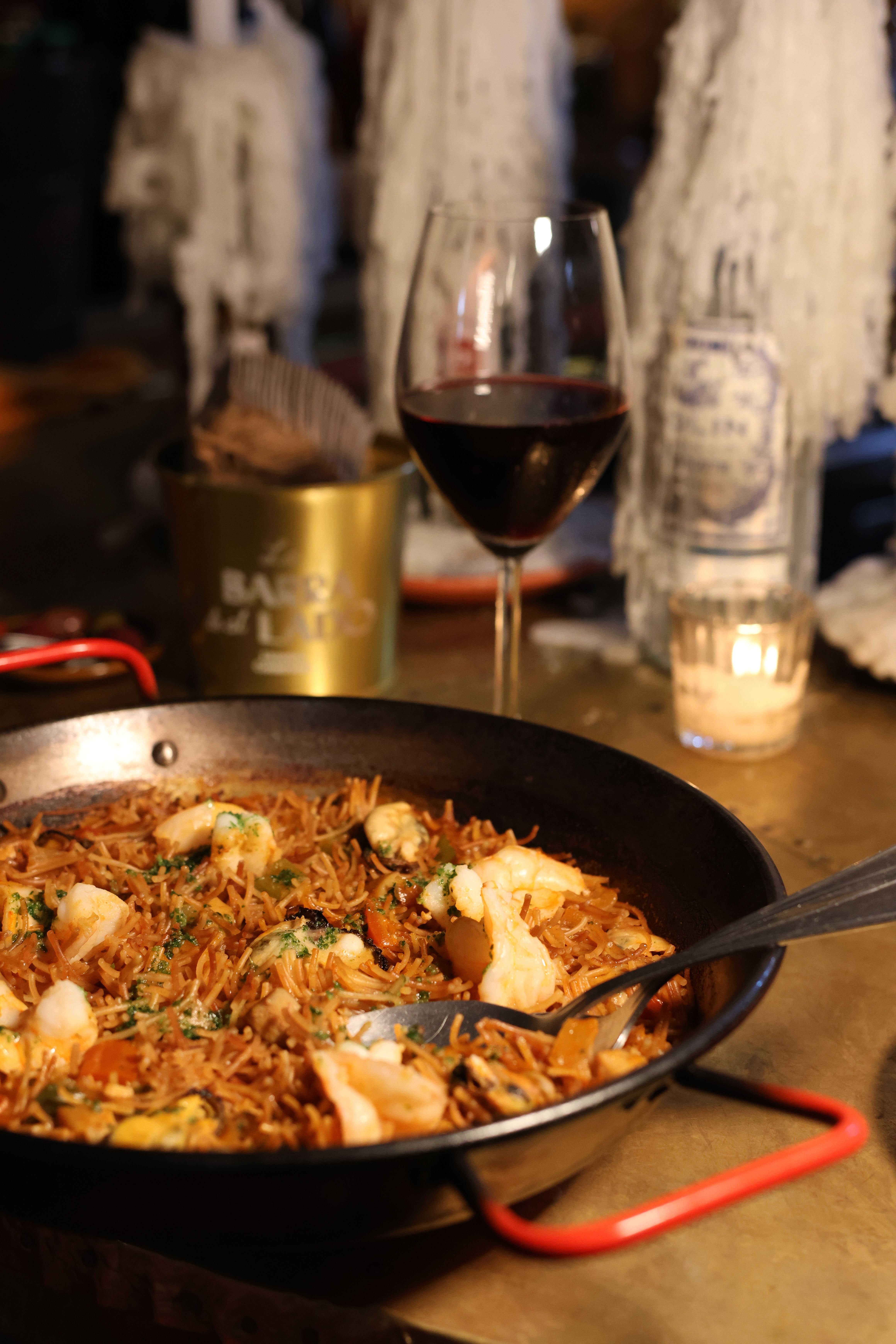
Paella is Valencian, not Catalan — it comes from the Valencia region to the south, not Barcelona. That doesn't mean you shouldn't eat it here (the coast does excellent rice and seafood), but it explains why the worst versions are aimed squarely at tourists who assume it's the local dish. The truly local rice dish is fideuà — like paella but made with short noodles instead of rice, often served with seafood and a side of aioli. Order fideuà and you're eating closer to what Barcelonans actually eat. Both, done well, are wonderful; both, done badly, are a soggy disappointment.
The warning signs of a tourist-trap paella
Learn these and you'll dodge nearly every bad paella in the city:
Photo menus with paella on the cover, especially on Las Ramblas or the Barceloneta boardwalk with a hawker outside.
"Paella available in 15 minutes" or any individual single-serving paella that arrives fast — real paella is cooked to order and takes 30–45 minutes minimum.
Suspiciously cheap — good seafood paella isn't a bargain; a rock-bottom price means frozen seafood and pre-made rice.
Neon-yellow rice — that color is food dye, not saffron. Real saffron gives a subtler golden hue.
Paella mixta ("mixed," meat + seafood) pushed as the specialty — often a sign of a tourist kitchen; purists consider the mix inauthentic.
Served only for one person off a buffet warmer — traditional paella is made in a large pan for two-plus and cooked fresh.
What real paella (and fideuà) should be
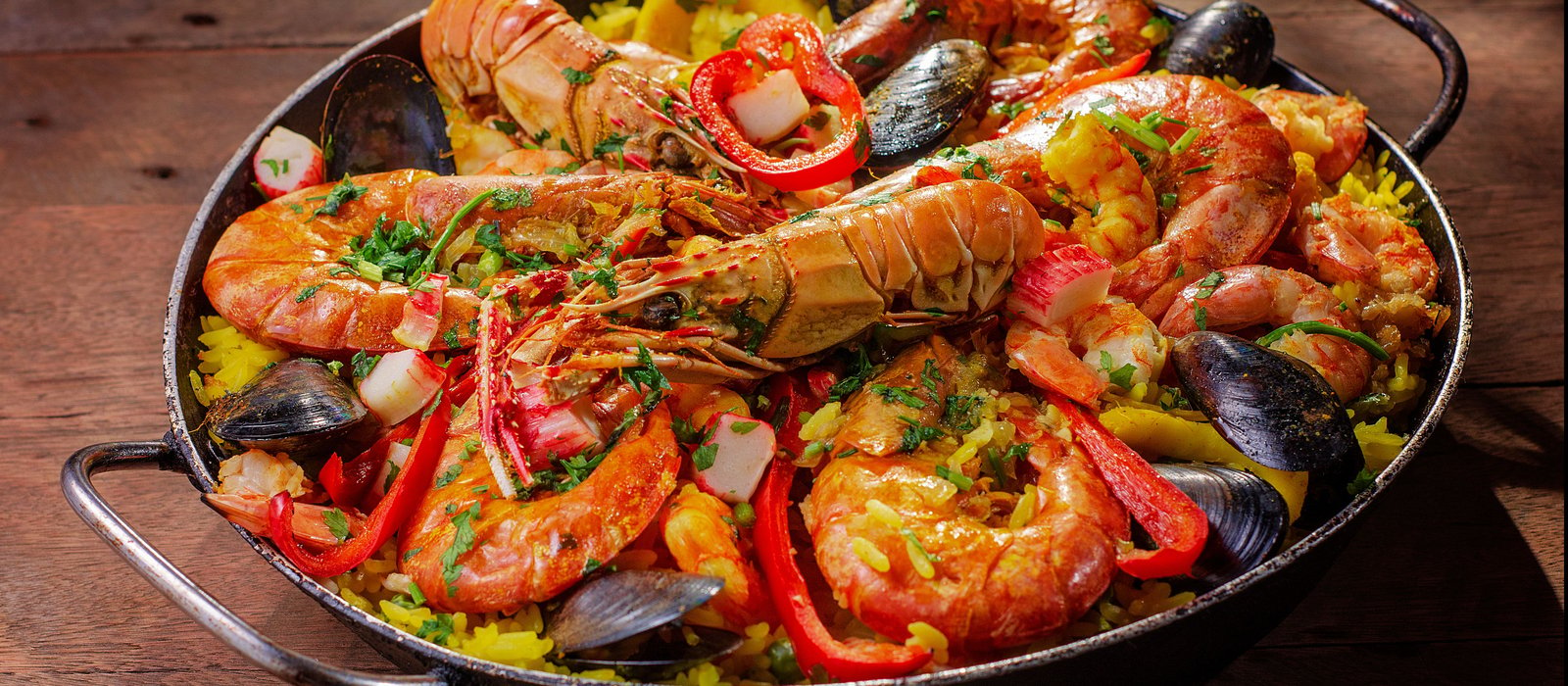
Cooked to order, for a minimum of two. It takes time and is made fresh — that wait is a good sign.
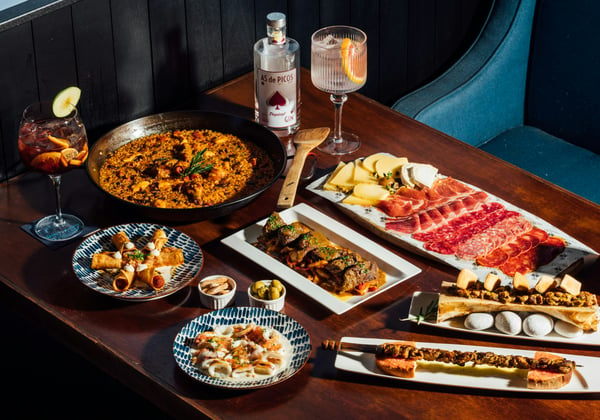
The socarrat. The prized crispy, caramelized layer of rice at the bottom of the pan — the mark of a properly cooked paella.
Restrained color and real flavor. Golden from saffron, not glowing; the taste comes from a rich stock, not yellow dye.
Quality seafood or proper ingredients. Fresh prawns, mussels, calamari; or for Valencian-style, rabbit, chicken, and beans (yes, the traditional original is meat, not seafood).
Served in the pan. Brought to the table in the wide paella pan it was cooked in.
How to order rice like a local
Consider fideuà — the noodle version is more local, and ordering it signals you know the territory.
Expect to wait 30–45 minutes; many places require a minimum of two diners. This is normal and good.
Eat it at lunch. Rice dishes are traditionally a midday meal in Spain, not dinner — a long, late lunch by the sea is the classic setting.
Look for "arròs" on the menu (Catalan for rice) and a range of rice dishes — a kitchen that takes rice seriously will offer several, including arròs negre (squid-ink black rice).
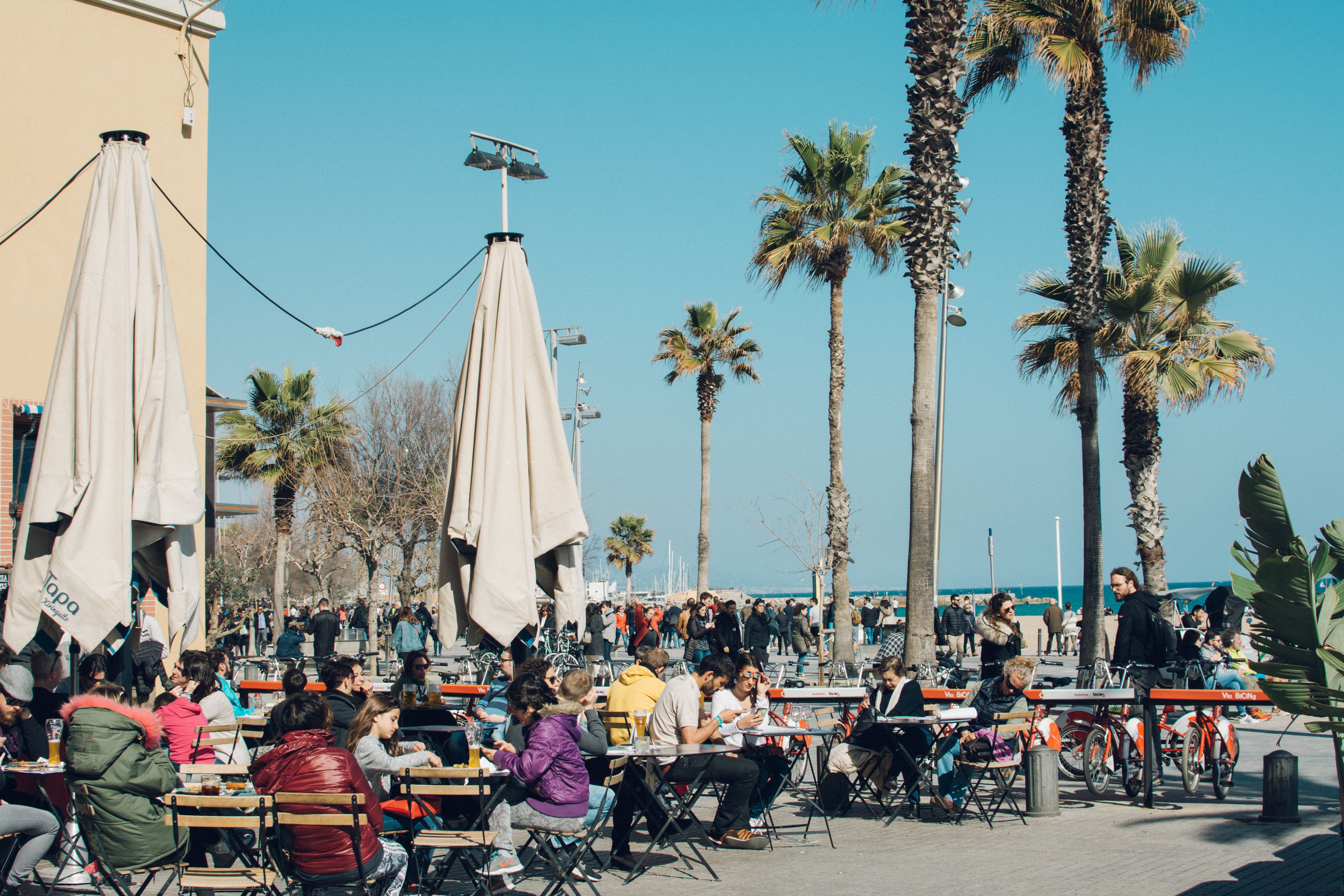
Go where locals eat — a few streets back from the Barceloneta seafront, or a respected rice specialist booked ahead, beats any boardwalk spot.
Where to find good rice
Without naming specific restaurants (which open, close, and change), the reliable approach is geographic and behavioral: head to Barceloneta for the seaside-rice tradition but go a street or two inland from the boardwalk, or seek out a dedicated arrosseria (rice specialist) anywhere in the city and book ahead. A good food tour or a paella cooking class is another route to the real thing — you learn what proper paella tastes like and where to find it. Wherever you go, apply the warning-sign checklist above, and you'll eat well.
The rice dishes worth knowing
"Paella" is really just the most famous member of a whole family of Spanish rice dishes, and knowing the others helps you order better. Arròs negre is black rice, colored and flavored with squid ink, typically served with cuttlefish and a dollop of aioli — dramatic and delicious. Arròs a banda is a seafood rice where the fish is cooked separately and served apart, prized by rice purists. Arròs caldós is a soupier, brothier rice, wonderful in cooler weather. And the original paella Valenciana contains no seafood at all — it's rabbit, chicken, green beans, and sometimes snails, a fact that surprises most visitors who think paella means shellfish. A restaurant that lists several of these arrossos is usually one that takes rice seriously; a place offering only a single tourist "seafood paella" with a photo on the menu usually does not. Reading the rice section of a menu is one of the quickest ways to tell a real kitchen from a trap.
The bottom line
Don't let the traps put you off — a real seafood paella or fideuà, cooked to order with a good socarrat and eaten as a long seaside lunch, is one of the great pleasures of a Barcelona trip. Just remember the rules: it takes time, it isn't cheap, it isn't neon, and the best versions are a few steps away from the tourist crowds. Order fideuà to eat like a local, expect to wait, and treat a suspiciously fast, cheap, brightly colored paella as exactly what it is — a trap to walk past.
FAQ
Is paella from Barcelona?
No — paella is Valencian, from the region south of Barcelona. The city does excellent rice and seafood, but the local rice dish is actually fideuà, made with short noodles instead of rice. Both are worth ordering when done well.
How do I avoid bad tourist-trap paella?
Avoid photo menus and hawkers (especially on Las Ramblas and the Barceloneta boardwalk), "ready in 15 minutes" paella, suspiciously cheap prices, and neon-yellow rice. Real paella is cooked to order, takes 30–45 minutes, and isn't a bargain.
What is fideuà?
The local Catalan cousin of paella, made with short noodles instead of rice, often with seafood and a side of aioli. Ordering it is a sign you know the territory, and it's frequently better than the tourist paella nearby.
What makes a good paella?
Cooked to order for two or more, a crispy caramelized socarrat layer at the bottom, restrained saffron color (not neon dye), quality fresh ingredients, and served in the wide pan it was cooked in.
When should I eat paella?
At lunch — rice dishes are traditionally a midday meal in Spain. A long, late seaside lunch is the classic setting, ideally a street or two back from the Barceloneta boardwalk or at a dedicated rice specialist.