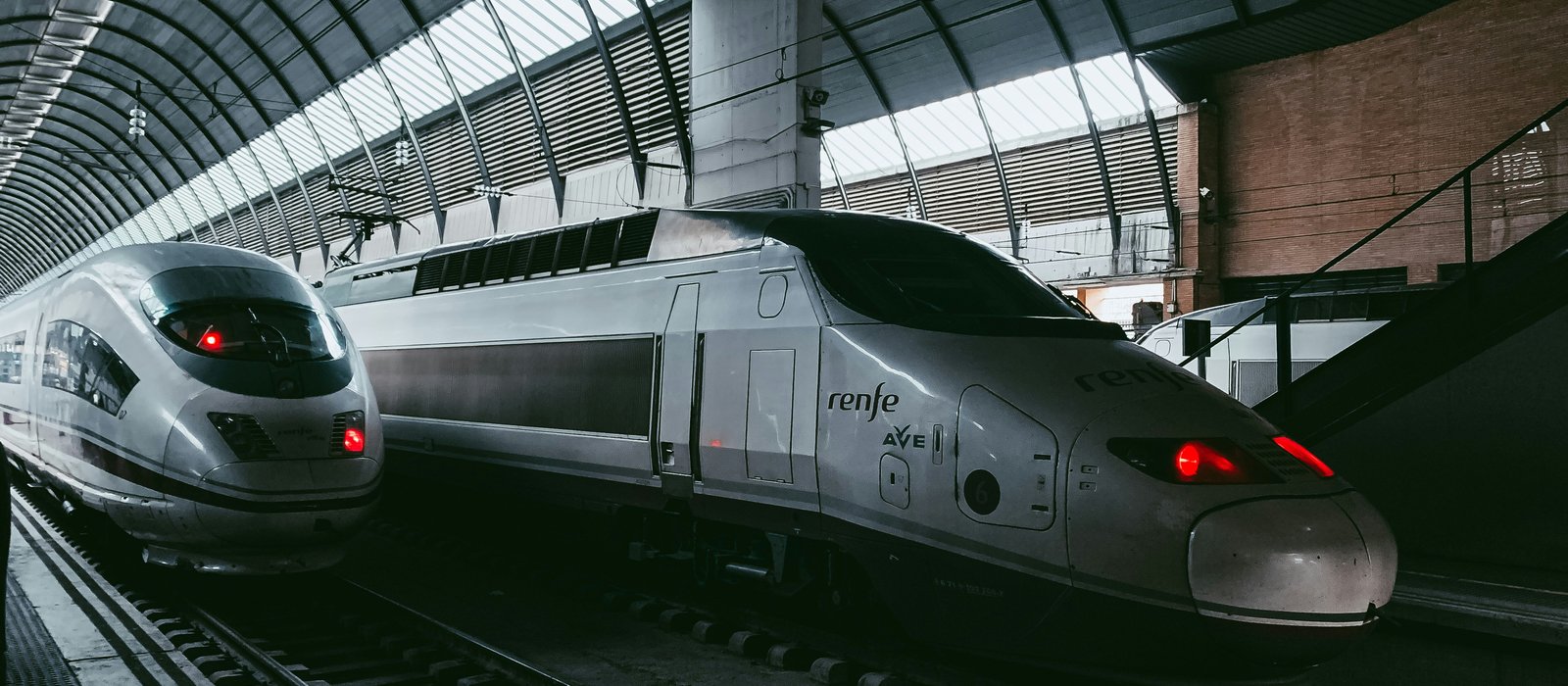
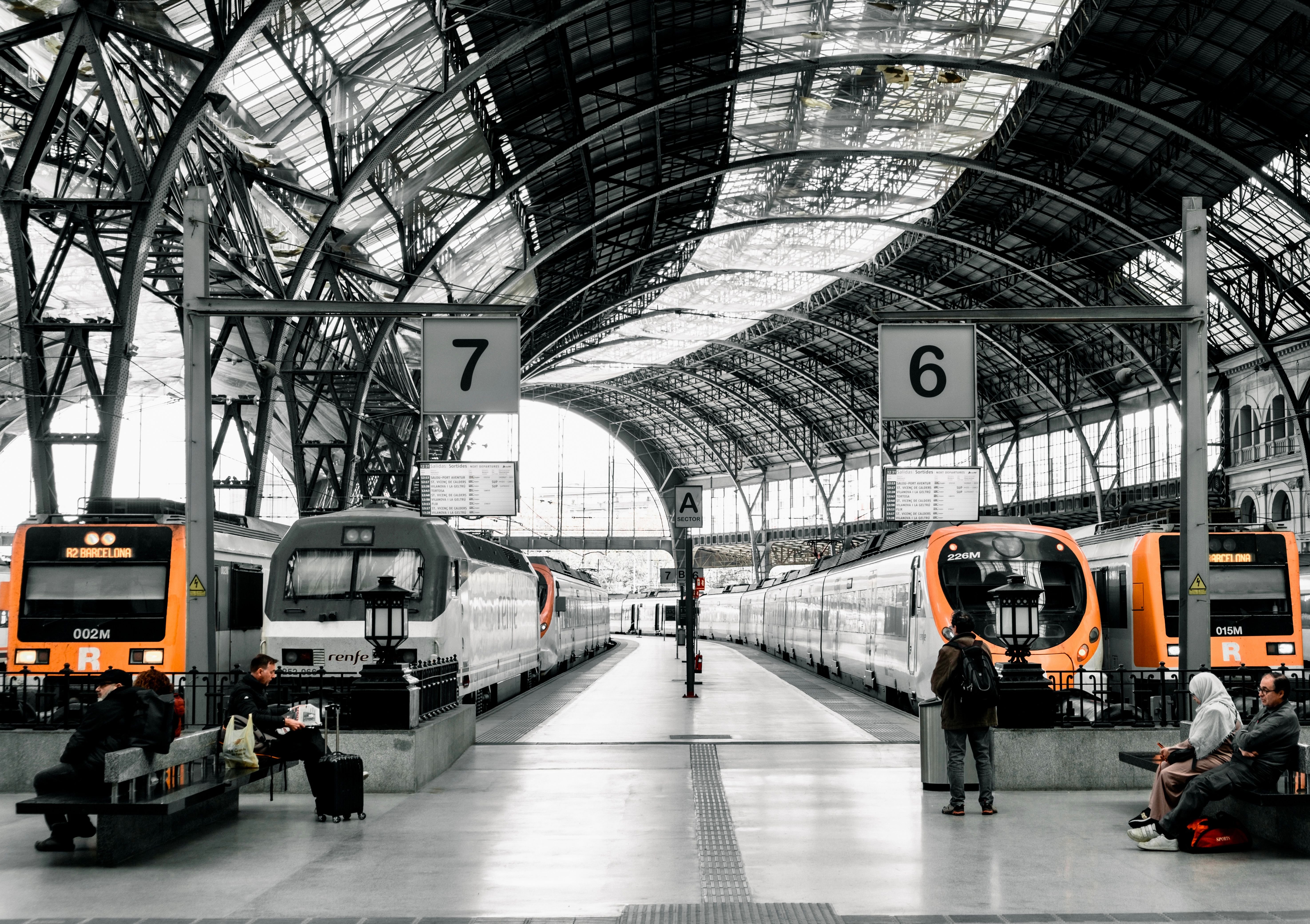
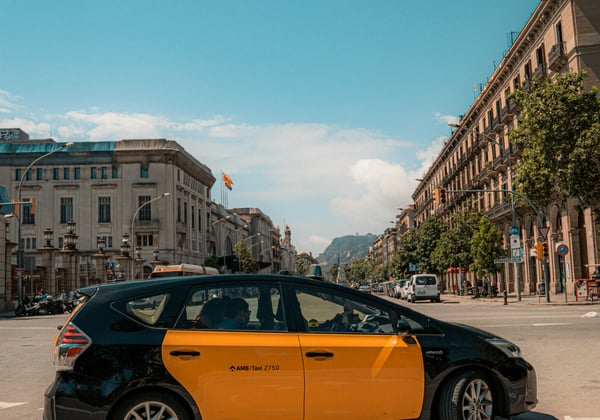
Spain has one of the best high-speed rail networks in the world, and Barcelona Sants is your gateway to it. Whether you're adding Madrid to your trip, day-tripping to Girona, or heading down the coast, the train usually beats flying door-to-door and is far more pleasant. Here's how Spanish rail works for an American used to a very different (and slower) train culture — the operators, the fares, and how to book without overpaying.
Where Barcelona's long-distance trains actually leave from
Barcelona Sants — Main long-distance train station
Estació de França — Secondary rail terminus
Pg. de Gràcia (station) — Central rail/metro interchange
The big surprise: Spain has budget high-speed trains
The thing that catches Americans off guard: the Madrid–Barcelona corridor is served by four competing operators, which has driven fares way down. On the high-speed line you'll find:
Renfe AVE — the original state high-speed service, most departures, two classes (Estándar and the premium Confort).
Avlo — Renfe's own low-cost brand; bare-bones, cheapest fares (sometimes from around €7 if booked far ahead).
Ouigo — French-owned low-cost, single class, budget-airline pricing model.
iryo — the newest, pitched as premium-feeling with strong onboard wifi and tiered fares.
They run the same fast line, so a Barcelona–Madrid ticket can cost anywhere from single digits to over €100 depending on operator, fare class, and how early you book. Book ahead and the train is cheap; walk up and it's expensive — the opposite of a flexible commuter rail mindset.
All times are fastest-service approximate; fares are dynamic on high-speed and fixed on commuter lines. Confirm current schedules and prices when booking.
Two systems: high-speed vs commuter
It helps to know which kind of train you're taking, because they work differently:
High-speed / long-distance (AVE, Avlo, Ouigo, iryo, AVANT to Girona): reserved seats, advance booking, dynamic pricing, airport-style boarding with a luggage scan — arrive 20–30 minutes early. Book on the operators' sites or a reseller.
Rodalies commuter rail (Sitges, the coast, airport R2): flat regional fares, no reservation, turn-up-and-go — buy at the station machines. This is also what your day trips to the nearer coast use.
One note that trips people up: your Barcelona T-casual and Hola Barcelona cards only cover Zone 1 — they don't extend to most of these out-of-zone trips, which need their own tickets.
How to book without overpaying
Book early. High-speed fares rise as seats fill — two to four weeks ahead for the cheap ones, more for peak dates.
Compare operators. For Madrid, check AVE, Avlo, Ouigo, and iryo side by side; the price gap for the same journey can be large. Comparison sites (Trainline, Omio, Rail Europe) show all four, though booking direct on Renfe/Ouigo/iryo avoids fees.
Consider the open-jaw. Doing Barcelona and Madrid? Fly into one, train between, fly home from the other — no backtracking (more in our flights guide).
Bring ID. High-speed tickets are tied to your name; carry valid ID (Spanish law lets you carry a passport or a copy) for boarding checks, and arrive early for the luggage scan.
Mind the stations. Most depart Barcelona Sants; Madrid trains arrive at Atocha. The "Camp de Tarragona" high-speed station sits outside Tarragona — the in-town regional station is more convenient if you're sightseeing there.
What surprises American travelers
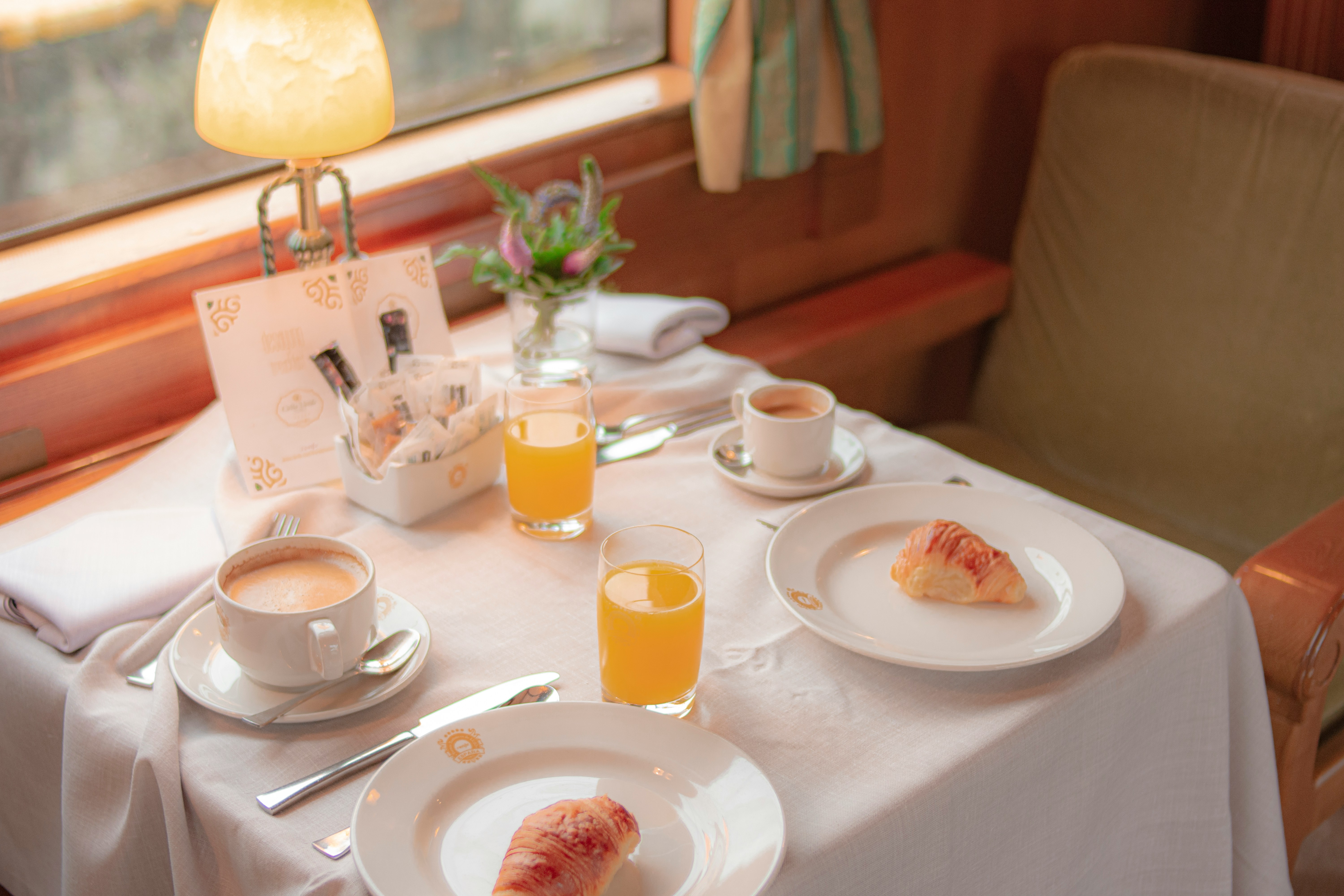
If your mental model of trains is Amtrak, Spanish high-speed rail will reframe it. The trains are fast (up to 310 km/h), punctual to the minute, clean, and quiet, with power, wifi, a cafe car, and seats that recline into real comfort. Boarding is airport-like — there's a security scan and a gate that closes a few minutes before departure, so the turn-up-two-minutes-early habit doesn't work here; give yourself 20–30 minutes at Barcelona Sants. Tickets are tied to your name, so carry your passport. And because pricing is dynamic like an airline's, the single biggest money lesson is simply to book ahead: the same seat that costs a small fortune at the counter on the day can be a single-digit fare booked three weeks out. Once you adjust to "book early, arrive early, relax," it's hard to go back to flying short distances.
Orienting at Barcelona Sants
Nearly every train in this guide leaves from Barcelona Sants, the main station, reachable on metro L3 and L5 and the Rodalies network. It's a big, slightly confusing hub: departures often post their platform only 10–20 minutes ahead on the big board, so wait near the screens rather than guessing, and allow time for the security scan on high-speed services. There's left-luggage, food, and shops if you arrive early. Coming back into Sants from a day trip, follow signs to the metro to melt straight back into the city.
Is the train better than flying?
For Madrid, yes — the ~2h30 city-center-to-city-center train beats the plane once you count airport transfers, security, and the flight itself, and it's vastly more comfortable. For the day trips in this guide, there's no contest; the train is the only sensible way. Spain is a country where, for almost any trip a Barcelona visitor will make, the train wins — lean into it.
FAQ
How long is the train from Barcelona to Madrid?
About 2h30 on the fastest high-speed services, city center to city center (Barcelona Sants to Madrid Atocha) — quicker than flying once you count airport time.
What's the cheapest way to get from Barcelona to Madrid by train?
Book early on one of the low-cost operators — Avlo, Ouigo, or a cheap iryo fare — where prices can start very low (Avlo sometimes from around €7). Walk-up fares are far more expensive.
What train companies run from Barcelona?
On the Madrid high-speed line: Renfe AVE, Avlo, Ouigo, and iryo. Renfe AVE/AVANT also serve Girona, Figueres, and Tarragona; Rodalies commuter rail covers Sitges and the nearer coast.
Do I need to book Spanish trains in advance?
High-speed and long-distance: yes — seats are reserved and cheap fares sell out. Rodalies commuter trains (Sitges, the coast, the airport R2): no — buy at the station and go.
Does my Barcelona metro card work on these trains?
Only within Zone 1. T-casual and Hola Barcelona don't cover the out-of-zone day trips or the high-speed lines — those need separate tickets.